


Sega once considered ending the Sonic the Hedgehog franchise entirely, according to Sonic Team head Takashi Iizuka, who says the success of the first Sonic movie later became a major turning point for the series. Speaking during interviews marking Sonic’s 35th anniversary at Tokyo Game Show 2026, Iizuka said there were periods when the franchise was struggling badly enough that senior leadership discussed bringing it to an end. He described the 2020 film as the biggest milestone in changing Sonic’s trajectory.
Iizuka said Sonic’s history has included both strong and difficult periods, and that during one of its lowest points he had to argue internally for the franchise to continue. In a separate interview earlier this year, he recalled being told around the time he moved to the US that Sega could stop making Sonic games entirely if he could not help rebuild the brand. The comments place that crisis roughly around the middle of the 2010s, when the series was dealing with a run of inconsistent releases and a weakened reputation.
The first Sonic the Hedgehog movie appears to have played a major role in reversing that position. Iizuka described the film’s success as a milestone that changed the course of the franchise by introducing Sonic to a much broader audience, including younger players who had not grown up with the games. The movie was released in 2020 following a highly publicized redesign of Sonic’s appearance and ultimately became successful enough to establish an ongoing film series.
That wider audience has since become an increasingly important part of Sega’s strategy for Sonic. The franchise now spans games, theatrical films, animation, merchandise and collaborations, with Sega continuing to expand Sonic beyond its traditional console audience. That approach is still growing, including a new Sonic animated project being developed with Netflix as part of Sega’s broader multimedia plans.
The game side of the franchise has also regained momentum. Sonic Frontiers pushed the main series into a more open-ended format, while Sonic X Shadow Generations placed greater emphasis on Shadow following the character’s increased visibility across games and film. More recently, Sega has continued supporting Sonic Racing: CrossWorlds with additional characters and collaborations, including Bayonetta joining as a free Year Two racer.
Iizuka’s comments also add context to why Sega has invested so heavily in maintaining Sonic as a global entertainment brand rather than treating it only as a game series. The first movie did not simply produce another revenue stream; according to Iizuka, it helped broaden awareness of Sonic at a time when the franchise needed renewed momentum. Subsequent films expanded the cast with characters such as Tails, Knuckles and Shadow, allowing Sega and Paramount to gradually introduce more of Sonic’s game mythology to mainstream audiences.
The near-cancellation account is not entirely new, as Iizuka had already discussed Sega’s doubts about Sonic earlier in 2026. What is notable in his latest remarks is the way he connects those difficult years with the movie’s later success and describes the film as a decisive milestone in the franchise’s recovery. That does not mean the movie alone was responsible for saving Sonic, but it does indicate that Sega’s multimedia expansion became an important part of how the brand moved out of its lowest period.
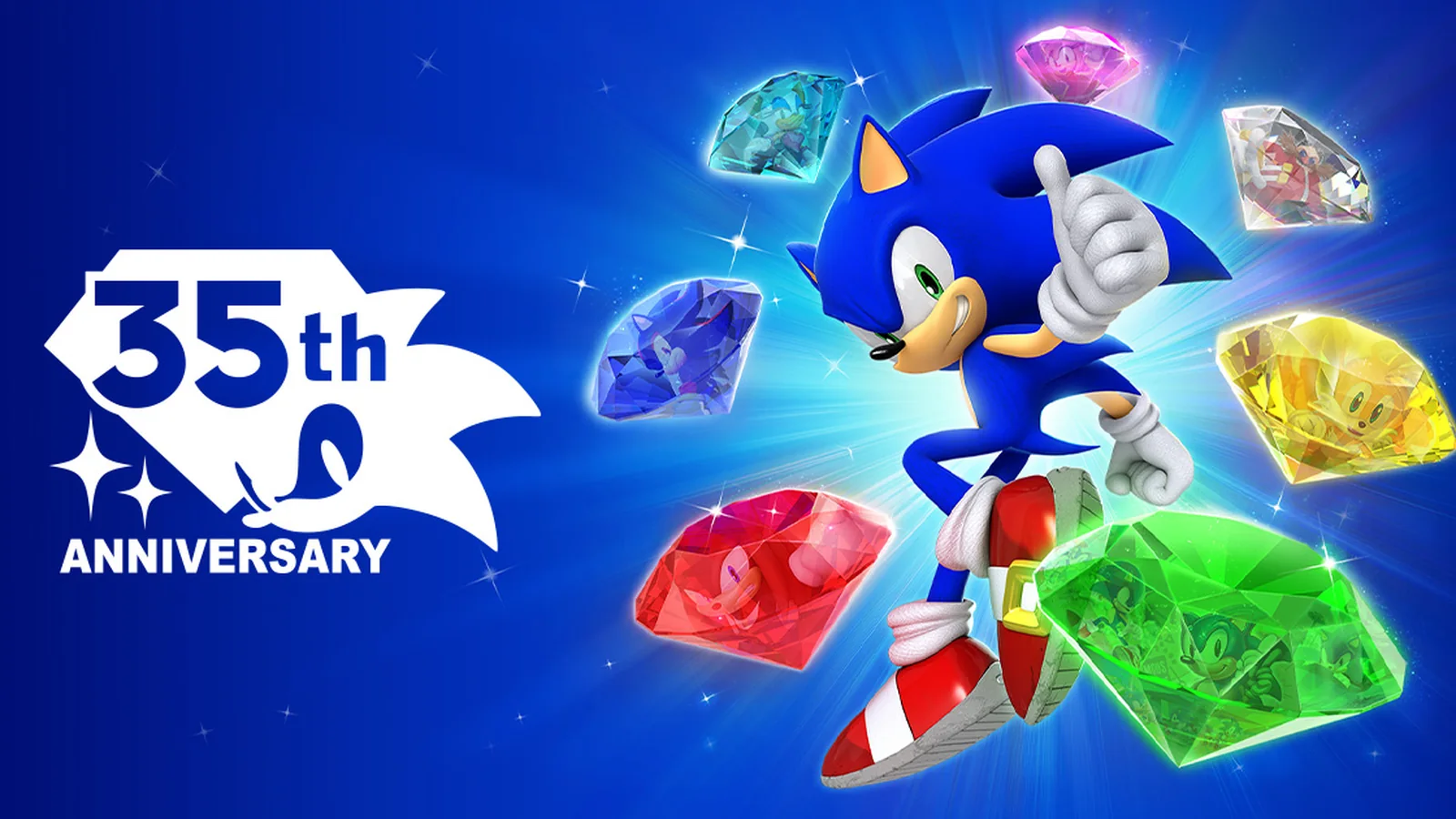
Sonic is now celebrating its 35th anniversary with Sega continuing to develop new games, cross-media projects and collaborations around the character. For a franchise that senior leadership once considered ending, Iizuka’s account shows how dramatically its position inside Sega has changed. The first Sonic film, in particular, appears to have helped transform the series from a troubled legacy property back into one of the company’s central global brands.
