


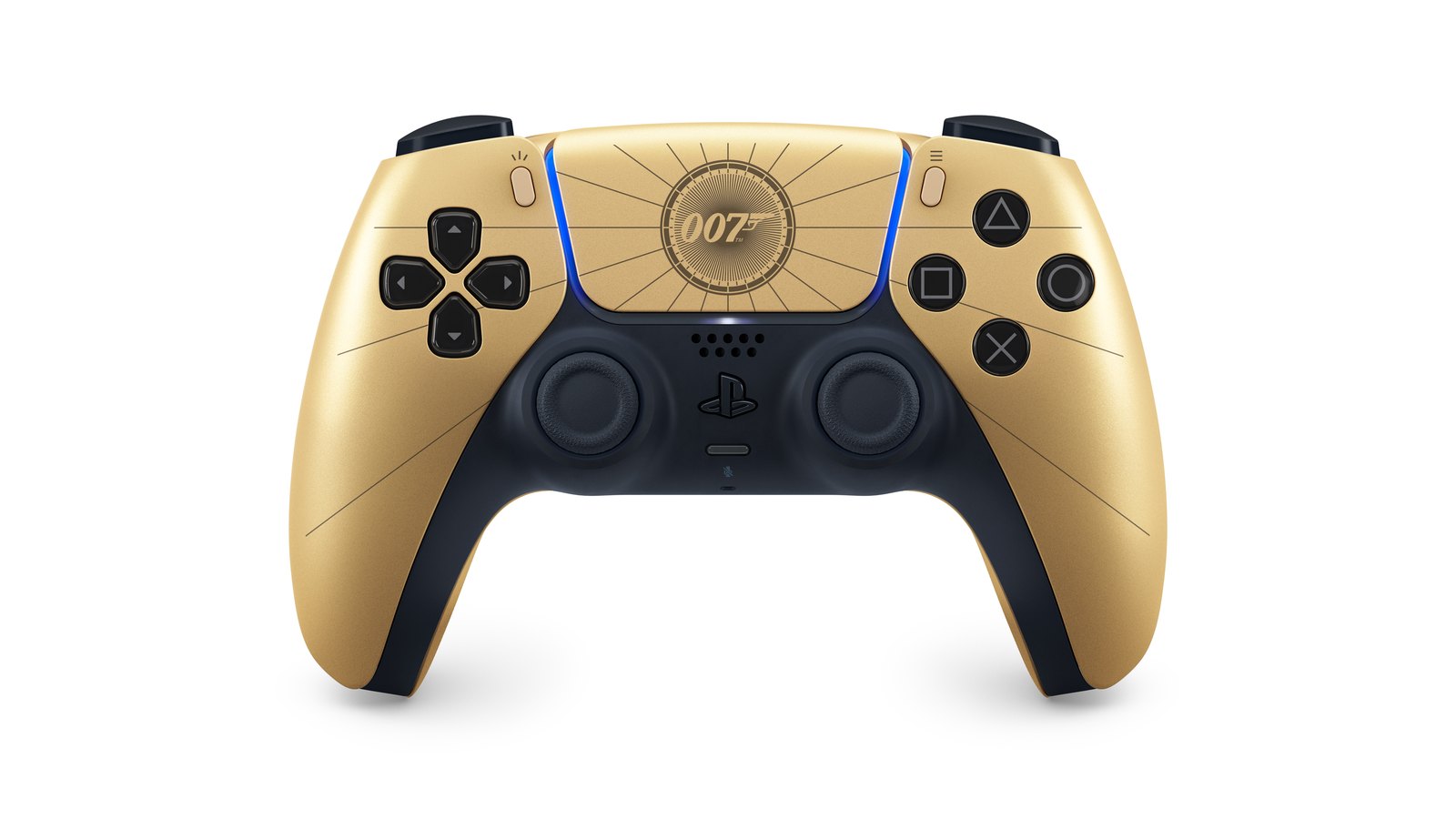
Sony Interactive Entertainment has published a patent application describing a system that could use a game controller to transfer payment information from a nearby electronic device to a console. U.S. patent application US 2026/0273403 A1, titled “Video Game Controller-Driven Information Transfer,” was published on September 17, 2026 after being filed on March 17, 2025. The filing describes the controller acting as an intermediary between a player’s device, such as a smartphone, and the game console during transactions.
In one implementation, the controller detects when an electronic device comes within a predetermined distance and emits a wireless signal. After the nearby device acknowledges that signal, it can send a message containing payment-method information associated with the player. The controller then forwards that information to the console, allowing the console to use it as part of a payment or authentication process.
The patent ties that exchange to events occurring on the console rather than having payment information transmitted continuously. For example, a purchase-related event could prompt the controller to begin looking for the associated electronic device and establish the connection. Sony’s filing describes this as a way to streamline interactions between a player’s account, controller, console and other devices without requiring the console itself to handle every stage of the exchange directly.
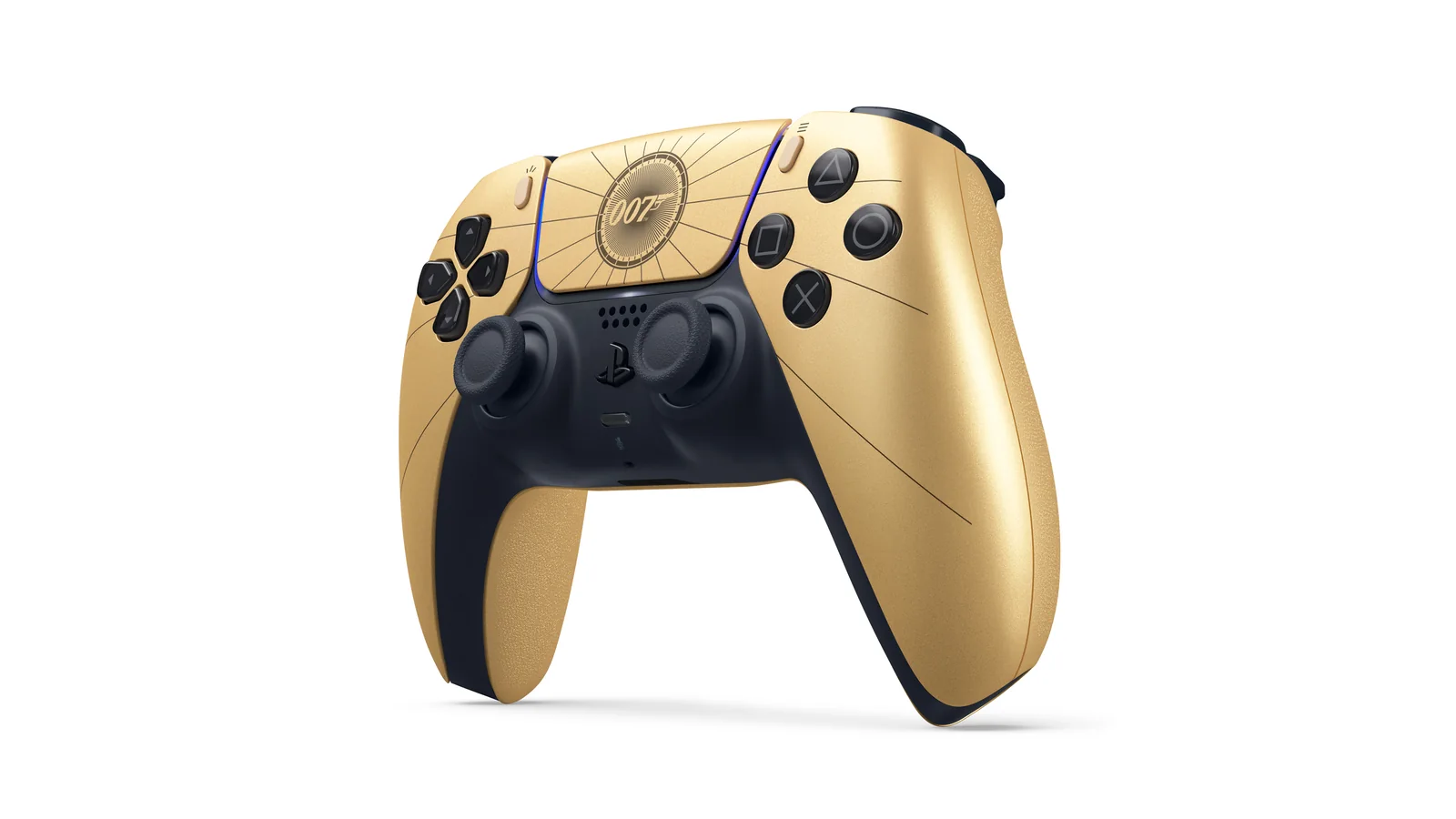
The payment information involved could cover several different types of credentials. The patent discusses credit account information, bank account information, gift cards, digital-wallet identification and crypto-wallet identification among the information players may keep associated with their accounts. Once received by the console, those credentials could be checked through an authentication service before a transaction proceeds.
Sony outlines applications beyond simply buying a full game from a digital storefront. The system could facilitate game purchases, in-app transactions and the purchase of gaming credits, while the filing also gives examples involving merchandise and even food-delivery purchases. Other described uses include authenticating a player, joining multiplayer sessions, updating player settings and managing preferences, meaning the underlying information-transfer system is broader than payments alone.
The application lists Alex Song, Daniel Hiatt, Mayu Watanabe and Chris Thielbar as inventors and names Sony Interactive Entertainment as the applicant. Its diagrams and descriptions focus on a video game controller communicating wirelessly with both a console and another electronic device. Although the concept naturally applies to PlayStation hardware, the filing uses generic terms such as “video game controller” and “video game console” rather than announcing a specific DualSense feature.
The concept arrives alongside other recently published Sony research into how software and connected devices could automate more of the PlayStation experience. A separate Sony AI diagnostics and repair patent describes technology capable of identifying device problems, generating potential software fixes and deploying them remotely. Both filings demonstrate areas Sony is researching, but neither represents confirmation that the described systems will become consumer-facing PlayStation features.
The controller-payment filing also does not mean current PS5 controllers are about to become standalone payment terminals. In the described architecture, the controller primarily acts as a communication bridge, receiving information from a nearby device and forwarding it to the console. The phone or other electronic device can remain the source of the player’s stored payment information, while the console ultimately performs or facilitates the transaction.
As with any patent application, publication does not guarantee commercial implementation. Companies routinely protect technical concepts that may later change significantly or never appear in a shipping product. For now, US 2026/0273403 A1 establishes that Sony has explored making the controller itself part of the information and payment chain between a player’s nearby device and their gaming system, rather than confirming a new payment feature for PS5.
