


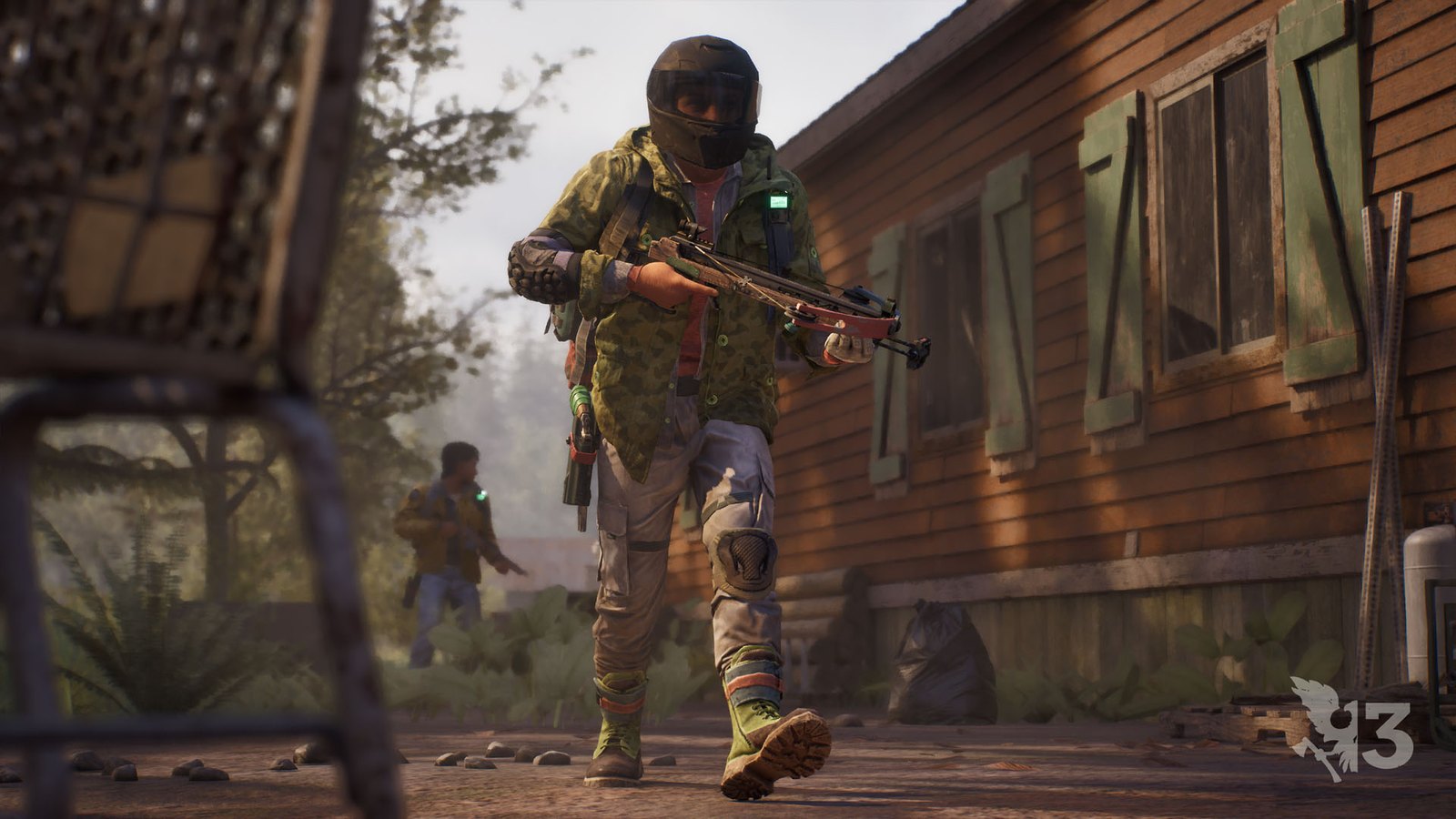
State of Decay 3 did not enter full-scale development until roughly 2022 or 2023, according to Undead Labs studio head Philip Holt, helping explain why the game has remained in development so long after its 2020 announcement. Holt says a small group had been working on the project from around 2020, but development only began to meaningfully accelerate several years later. The clarification comes as State of Decay 3 approaches a planned 2027 release.
Speaking with The Game Business, Holt pushed back on the idea that the project has effectively been in full production since State of Decay 2 launched in 2018. While nearly eight years will have passed between the second game and State of Decay 3’s current target window, he said that does not accurately represent the sequel’s actual production timeline. “We’ve had a small team on the game since maybe 2020,” Holt explained, adding that development “didn’t really pick up until 2022 or 2023.”
That aligns with comments Holt made earlier this year about the state of the project when its original reveal trailer debuted. He said there was effectively no full game team behind State of Decay 3 at the time, with only four or five people involved and the concept existing largely in documentation rather than as a playable production build. The cinematic 2020 trailer, created by Blur Studio, was therefore intended to communicate an early vision rather than show content already representative of a mature game.
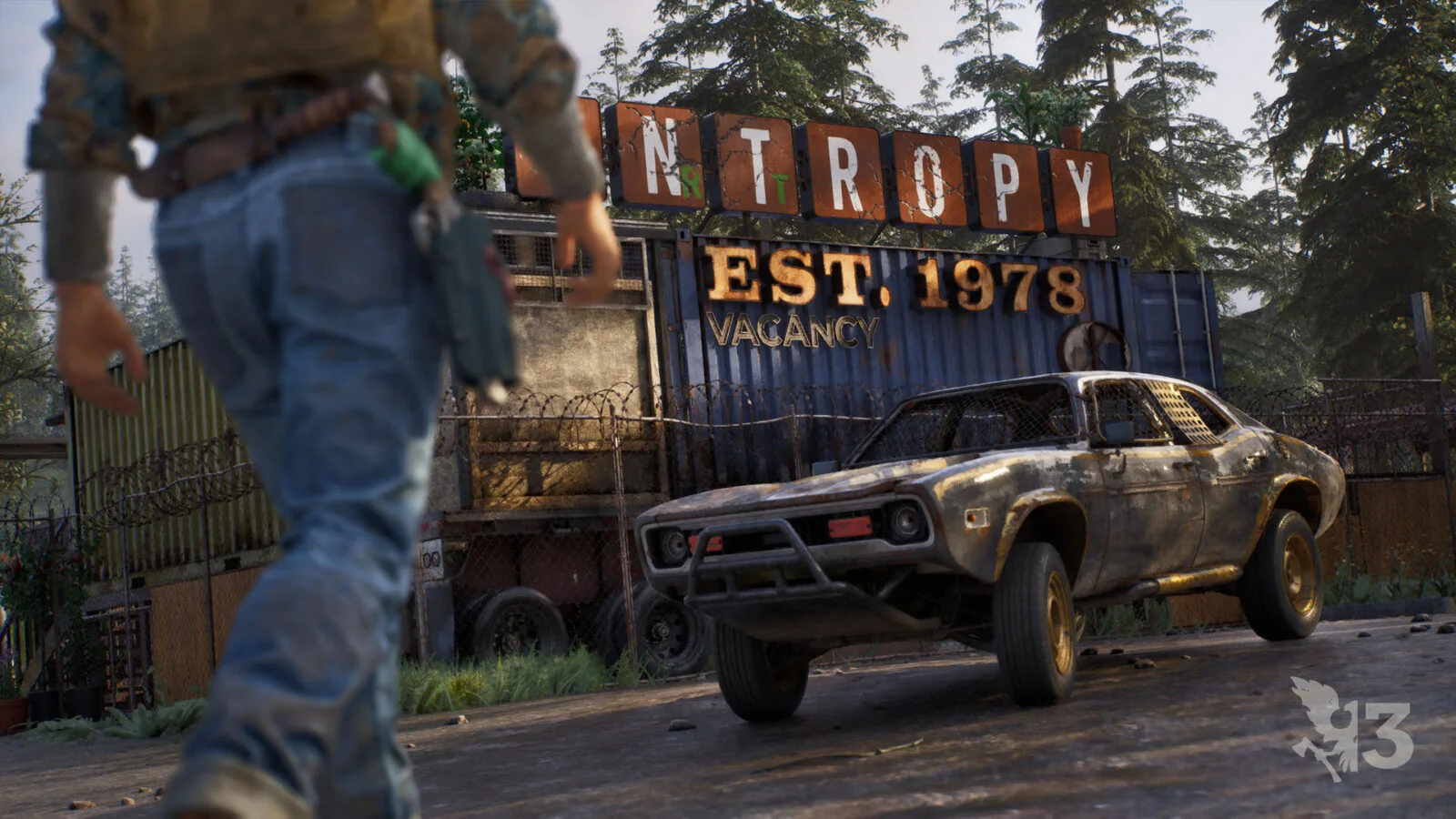
The famous zombie deer shown in that trailer illustrates how early the project was. Holt has since confirmed that infected animals are not part of the current game, despite their prominence in the original reveal. Ideas presented in that announcement were exploratory, with some surviving development and others being discarded as Undead Labs assembled a larger team and established what State of Decay 3 would actually become.
The newer timeline makes the lengthy public wait easier to contextualize. If substantial production only began in 2022 or 2023, the project’s current 2027 target represents roughly four to five years of heavier development rather than seven years of continuous full production. Undead Labs has now progressed far enough that State of Decay 3 is preparing for closed beta testing, with PC players expected to receive access before later console waves.
The studio itself has also changed significantly during that period. Undead Labs completed its separation from Xbox in September and is now operating as an independent, employee-owned developer, while State of Decay 3 remains scheduled for Xbox, PC, PlayStation and Game Pass in 2027. The transition followed a turbulent period that included staffing reductions and a search for new ownership before the employees ultimately acquired the company themselves.
Holt has described unusually open communication with staff as an important part of navigating that process. He previously said Undead Labs kept employees informed about potential layoffs, project risks and ownership changes, even when those conversations were uncomfortable. That restructuring occurred while development on State of Decay 3 continued, adding another layer of complexity to the game’s production history.
Despite becoming independent, Undead Labs says work on the sequel remains active and that the game is currently in alpha. The developer is targeting a closed beta before the end of 2026 and continues to list 2027 as the release window. Its post-Xbox plans still include Game Pass and a PlayStation release, meaning the ownership change has not altered the previously announced platform strategy.
State of Decay 3 is being positioned as a significant expansion of the series, including a larger shared open world in which players can separate more freely than they could in State of Decay 2. Undead Labs has also discussed deeper survival systems, community management and continued post-launch support modeled on the long life of its previous game. Holt’s latest comments do not shorten the wait for the sequel, but they provide a clearer explanation for why a game announced in 2020 is only now approaching its final stages of development.
