


Nintendo of America is hiring a Digital Archivist, Historical Systems to help preserve technical information, development records and institutional knowledge from its older gaming hardware and software platforms. The position is an approximately 12-month contract based in Redmond, Washington, according to an official listing on Nintendo’s careers website.
The role involves establishing a structured digital archive containing engineering documentation, historical source materials, technical specifications and information about legacy Nintendo systems. Rather than simply collecting historical records, Nintendo wants the archivist to develop a framework that makes decades of technical information easier for its internal teams to locate, understand and reuse.
The initiative provides a clearer picture of how Nintendo intends to organize and maintain knowledge about its previous gaming platforms, although the company has not announced plans to make the archive publicly accessible.
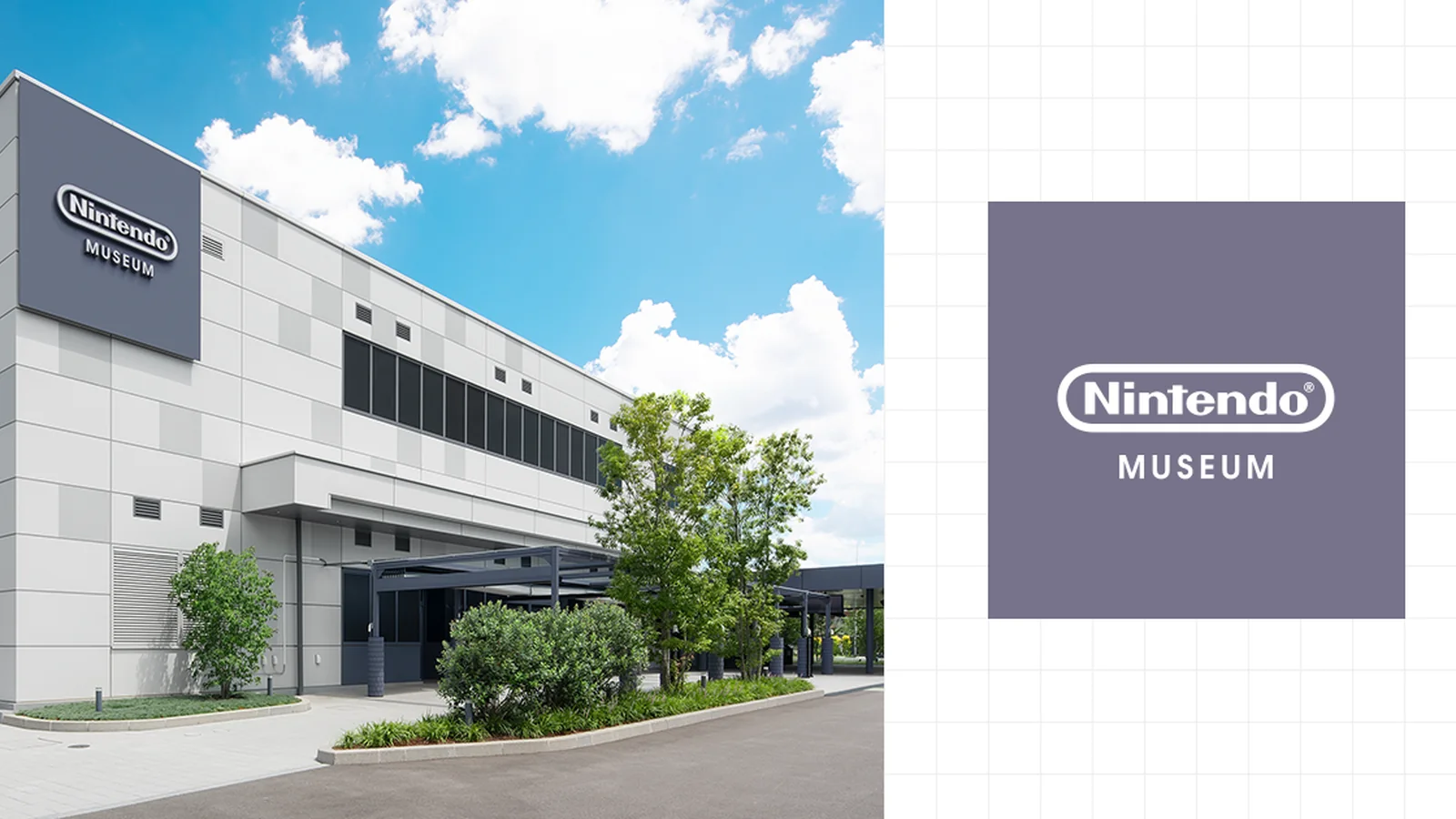
Nintendo’s Digital Archive Will Cover Hardware and Software History
According to the job description, the archivist will design metadata structures, classification systems and naming conventions for historical hardware and software assets. These standards will establish connections between gaming platforms, individual software products, peripherals, technical specifications and supporting development documentation.
Nintendo also wants a searchable repository that allows employees across engineering, product development, legal, research and business departments to retrieve historical information efficiently.
The position includes developing documentation standards and recommending long-term preservation strategies. Maintaining consistent records will be particularly important when dealing with technical information collected across different hardware generations and development periods.
Another responsibility involves interviewing experienced Nintendo employees and technical specialists to document knowledge that may not exist in formal engineering records.
The archivist will translate those conversations into searchable reference materials, validate historical information against multiple sources and preserve details that might otherwise become difficult to recover as employees leave or projects change.
Nintendo specifically identifies information architecture, archival research and knowledge management as important skills for the position. Experience with digital asset management systems, relational databases and established archival metadata standards is also preferred.
The company is seeking candidates with at least two years of relevant professional experience. The hybrid position offers an advertised hourly pay range of $35 to $55, with regular onsite work required in Redmond.
What Nintendo’s Preservation Effort Means for Classic Games
The initiative is significant because historical gaming hardware and software often depend on specialized technical knowledge that is difficult to reconstruct from finished consumer products alone.
Engineering documentation, hardware specifications and development records can preserve information about how older systems operated, how their software was designed and how different components interacted.
For a company with hardware generations stretching from the Nintendo Entertainment System to modern Switch consoles, maintaining access to historical technical information can support future internal research and development.
However, Nintendo’s job advertisement does not identify particular consoles, games or development projects that will be included in the archive.
It also does not establish any connection between the archival initiative and upcoming remakes or remasters. Speculation surrounding potential projects such as a Majora's Mask remake remains separate from Nintendo’s confirmed preservation work.
The listing makes clear that the repository is intended to support Nintendo’s internal departments. There is no announcement of a public digital museum, downloadable historical source code or expanded access to discontinued games.
Nintendo has likewise provided no completion date for the archival project beyond describing the advertised contract as lasting approximately 12 months.
For now, the confirmed development is Nintendo’s effort to establish a more systematic approach to preserving the technical records and institutional knowledge behind its gaming history, ensuring that valuable information about previous systems remains accessible to its own teams in the future.
