


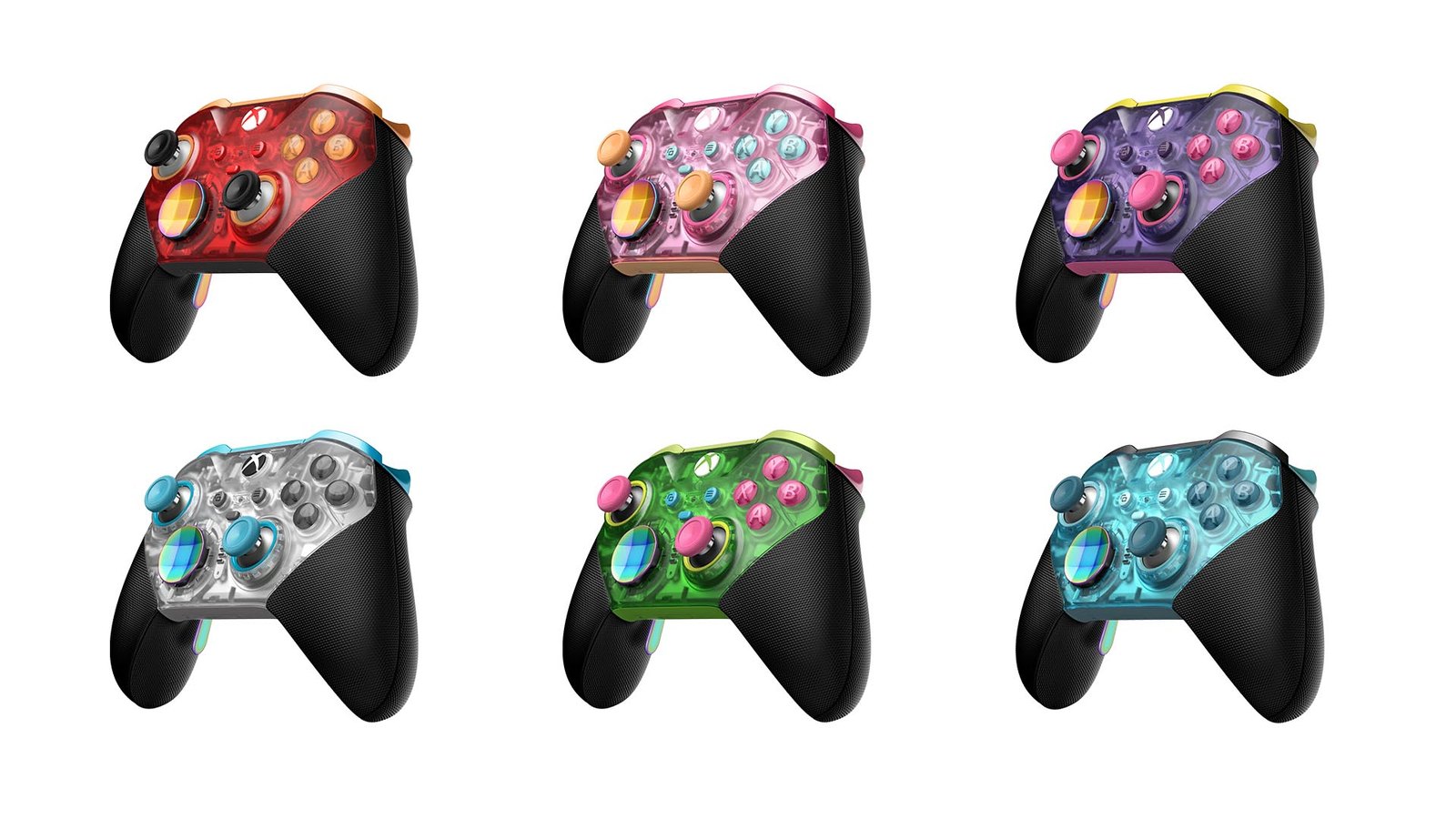
Details pointing to Microsoft’s next premium Xbox controller have reportedly appeared in backend data connected to Xbox Design Lab. The unannounced controller is referenced under the codename “Edessa,” with configuration records and 3D component models suggesting Hall effect and TMR thumbstick options, upgraded haptics, an audio scroll wheel and expanded customization. Microsoft has not formally announced an Xbox Elite Series 3, so the leaked material should still be treated as provisional rather than final product specifications.
The discovery originated from Reddit user esketitethan, who said they found configuration records and 16 component models in Spectrum Customizer, the backend platform used by Xbox Design Lab. VGC and other outlets subsequently examined the claims, while some of the originally linked backend material was reportedly removed after becoming public. The records do not explicitly use the retail name “Xbox Elite Series 3,” but their feature set and premium customization options strongly suggest a successor to the current Elite Series 2.
The biggest change appears to concern the thumbsticks. Backend entries reportedly list both Hall effect and TMR magnetic-sensing modules, alongside standard, loose and tight Hall effect configurations that could give buyers different resistance levels. Both technologies avoid the conventional contact-based potentiometers commonly associated with stick wear and drift, while TMR sensors can potentially offer greater sensitivity and lower power consumption.
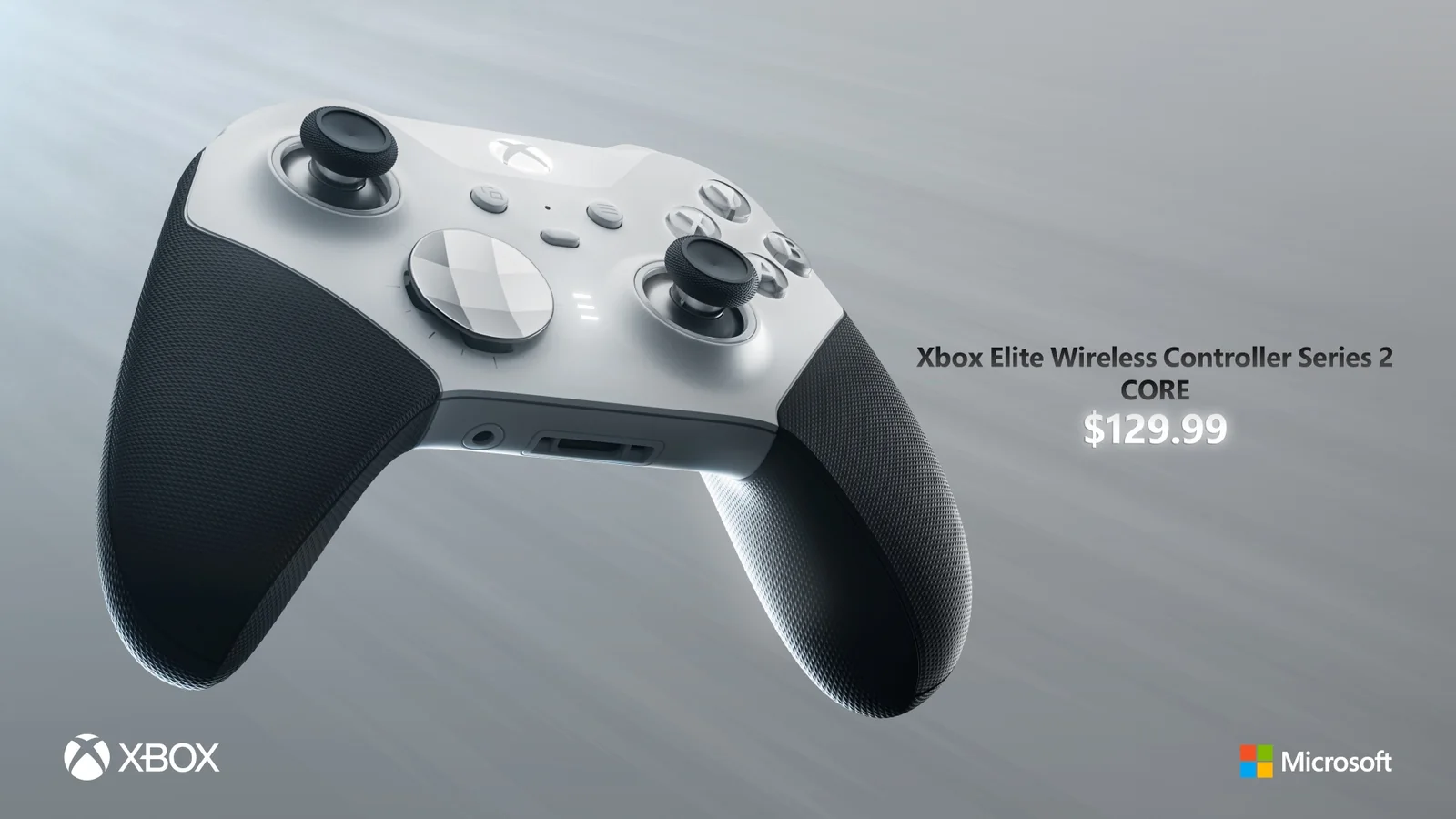
Microsoft’s current Elite Series 2 already lets users manually adjust thumbstick tension across three settings, but the leaked configuration points to a more fundamental hardware choice at purchase. That would put Microsoft closer to premium third-party controllers already adopting newer magnetic stick technology, including the Nacon Revolution 5 Unlimited with TMR sticks. The backend also references low-friction or silent stick variants alongside standard and longer stick options.
Haptic feedback could receive another substantial upgrade. One configuration entry reportedly names “Impulse Triggers (ERMs) & Advanced Haptics (VCAs) Motors,” suggesting the controller may combine the existing trigger-rumble system with voice coil actuators for more detailed tactile feedback. VCAs are capable of producing more varied vibration characteristics than traditional eccentric rotating mass motors, although the exact implementation and supported games remain unknown.
Another backend setting refers to an “Audio Scroll Wheel Color,” implying a dedicated physical control for headset volume or another audio function. Previous images of an alleged next-generation Elite prototype had shown additional controls that were not present on the Series 2, including a wheel-like component. If the backend entry corresponds to that hardware, it would give users faster access to audio adjustments without navigating Xbox’s guide menus.
Customization appears to extend well beyond the sticks. The records reportedly include standard, classic and double-wide paddle designs, along with short, long and butterfly-style configurations. D-pad choices are said to include standard, cross and grippy or faceted options, while faceplates could include metal finishes, multiple named designs, color variations and engraving.
The backend also reportedly contains 27 mapped combinations covering thumbstick toppers and paddles. Four SKUs are referenced, split between “Elite Complete” and “Base” configurations, with versions listed both with and without motors. That structure could indicate Microsoft plans to sell the controller at multiple feature levels, though pricing and exact retail packaging have not surfaced.
Xbox has continued expanding Design Lab since adding Elite Series 2 customization in 2022. The current Elite Series 2 starts at $169.99 through Xbox Design Lab and includes adjustable-tension thumbsticks, shorter hair-trigger locks, interchangeable paddles and D-pads, USB-C connectivity and up to 40 hours of quoted battery life. A successor with magnetic sticks and more sophisticated haptics would therefore represent a larger technical update than a simple cosmetic refresh.
There is still no confirmed release date, price or final name for Edessa, and backend entries can change before a product reaches retail. Even so, the presence of numerous configuration records and dedicated 3D component models makes the leak more substantial than a conventional rumor. If the material reflects Microsoft’s final plans, its next Elite controller could address stick drift while significantly expanding both hardware customization and tactile feedback.
