


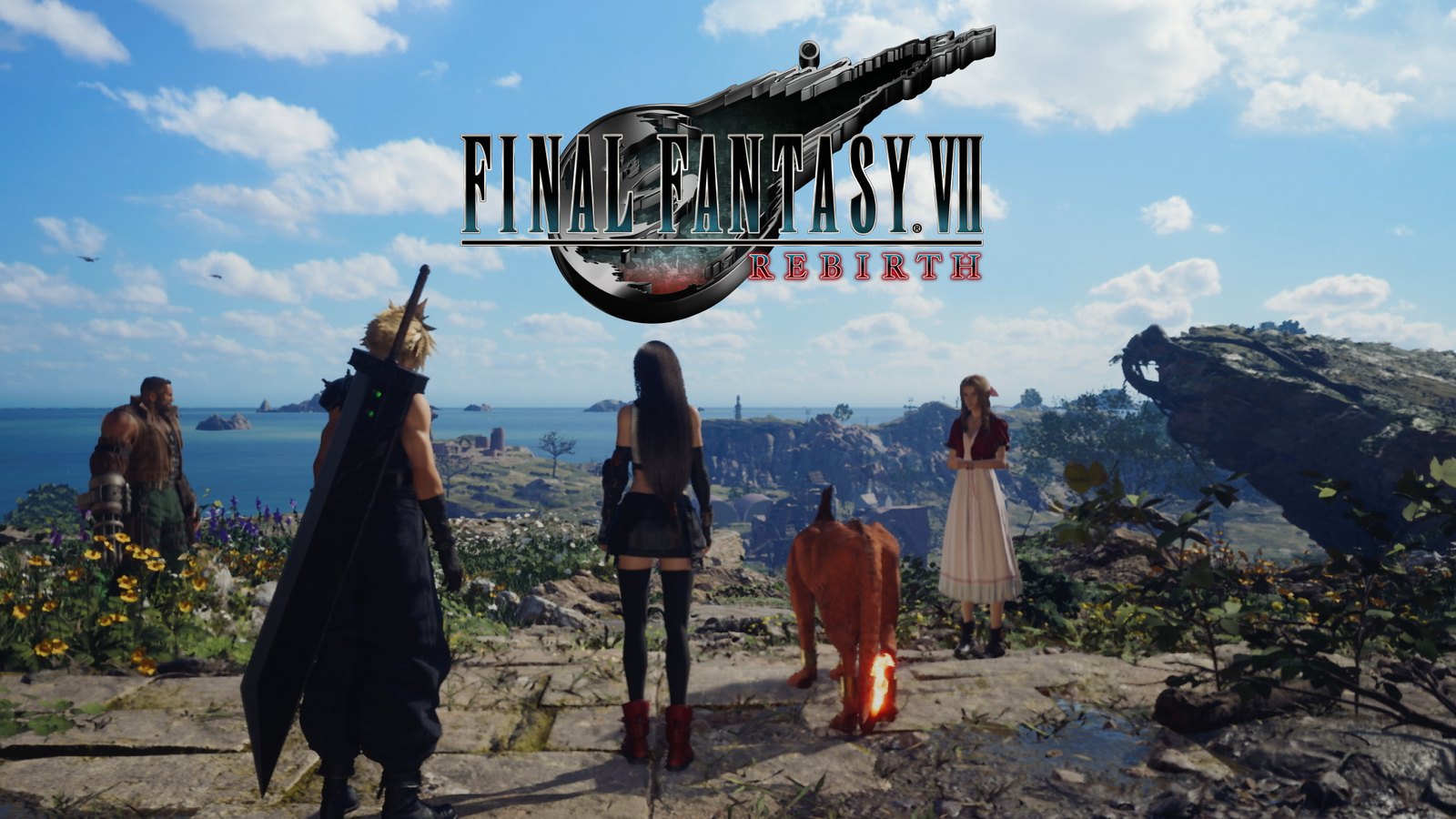
Square Enix wants Final Fantasy VII to remain an active franchise well beyond the conclusion of its current remake trilogy. Speaking during the “From Reunion to Resolve: Designing the FFVII Remake Trilogy” panel at PAX West 2026, director Naoki Hamaguchi said one of the project’s goals is to pass Final Fantasy VII on to future generations and create new fans decades from now. A presentation slide went further, describing the ambition as moving FFVII beyond being a classic of the past and shaping it into an IP with an “ever-evolving future.”
Hamaguchi explained that the remake project was never intended only to modernize the 1997 RPG for existing fans. Through an interpreter, he described it as an effort to pass Final Fantasy VII on to the next generation, adding that the development team wants the work to continue creating new fans “20 or even 30 years from now.” The comments frame Remake, Rebirth and the upcoming Revelation as a foundation for Final Fantasy VII’s long-term relevance rather than simply a three-game recreation of the original story.
That does not amount to an announcement of another Final Fantasy VII game after the trilogy. Square Enix has not unveiled a fourth main installment, sequel or new post-Revelation spin-off based on Hamaguchi’s comments. However, the wording used during the presentation makes clear that the company sees Final Fantasy VII itself as an IP capable of continuing to expand after the current remake project reaches its conclusion.

Final Fantasy VII already has a long history of growing beyond the original PlayStation game. The wider Compilation of Final Fantasy VII has included Crisis Core, Dirge of Cerberus, Before Crisis, the Advent Children film and more recent projects such as Ever Crisis. The remake trilogy has increasingly incorporated characters and concepts from that broader continuity, with Hamaguchi previously confirming that Revelation will continue drawing from the Compilation rather than treating the original 1997 release as its only source material.
The immediate focus remains Final Fantasy VII Revelation, which Square Enix has officially positioned as the third and final game in the remake trilogy. Final Fantasy VII Revelation launches on April 8, 2027, bringing the trilogy to PlayStation 5, Nintendo Switch 2, Xbox Series X|S and PC. The finale will expand exploration with the Highwind, introduce the FITS combat system and allow players to switch between party members while exploring the world.
Revelation itself will also continue receiving content after release. Square Enix has confirmed two story expansions, with one centered on Sephiroth and another focusing on Vincent and the Turks, scheduled to arrive between winter 2027 and spring 2028. That already extends the remake project’s active life beyond the launch of its final main game, though those DLCs remain part of Revelation rather than evidence of whatever Square Enix may pursue afterward.
The trilogy’s expansion to additional platforms also supports Hamaguchi’s stated goal of reaching new audiences. Final Fantasy VII Remake began as a PlayStation release before later expanding to PC and other hardware, while Revelation is launching across PlayStation, Xbox, Switch 2 and PC simultaneously. Square Enix has also spent considerable effort adapting the trilogy to new hardware, including the technical work required to bring Final Fantasy VII Rebirth’s large environments to Nintendo Switch 2.
For now, Square Enix is talking about a long-term direction rather than revealing the next project. Hamaguchi’s comments show that the company does not view Revelation as necessarily marking the end of Final Fantasy VII as an actively developed property, even though it will conclude the remake trilogy itself. What form that “ever-evolving future” eventually takes—new games, spin-offs, multimedia projects or something else—has not yet been announced.
