


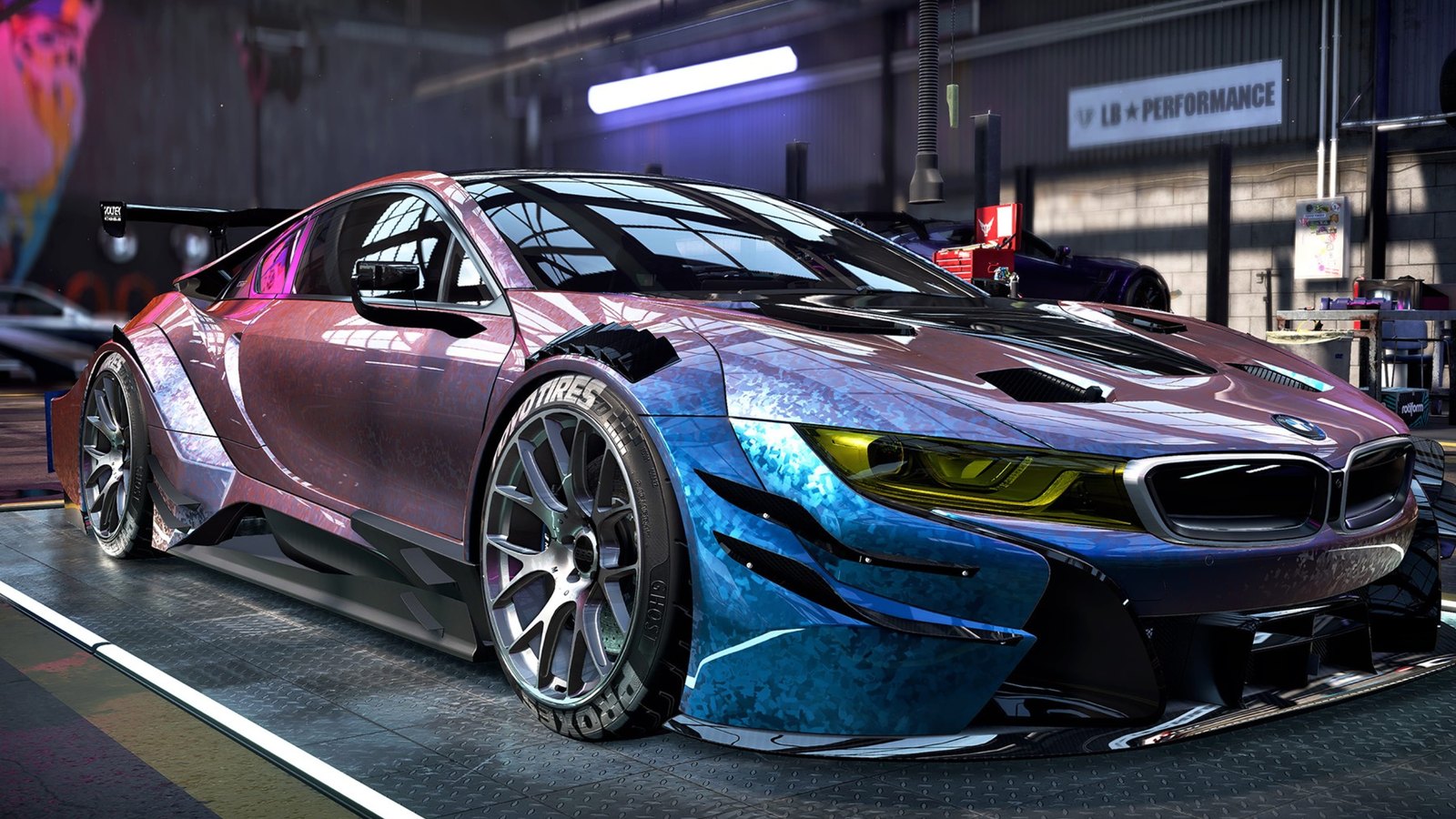
Need for Speed Heat reportedly came close to including a playable version of Need for Speed II inside an arcade machine in the game’s garage. Journalist Tom Henderson says he uncovered the cut feature while researching canceled video games for an upcoming book, describing it as an Easter egg intended to celebrate the Need for Speed series’ 25th anniversary. The feature was ultimately rejected and never appeared in the 2019 game.
According to Henderson, the original plan was even more ambitious. Developers initially wanted the arcade cabinet to let players run the first Need for Speed, tying directly into the franchise’s 1994 debut and the anniversary being celebrated when Heat launched. That idea apparently ran into a major problem when the original game’s source code could not be located.
Henderson says a developer then created an alternative by implementing Need for Speed II in their own time. Rather than simply placing a decorative reference in the garage, the result would have been an actual playable minigame accessible through Heat’s arcade machine. The work reportedly made it far enough to exist as a functional feature before company leadership declined to approve it for the final release.
Electronic Arts has not publicly documented the cut minigame, and the company has not independently confirmed Henderson’s account. The claim therefore remains a development-history report rather than an official postmortem from EA or Ghost Games. Henderson has a long track record of reporting on unreleased and in-development games, but there is currently no publicly released build showing the feature in action.
The timing of the idea fits Need for Speed Heat’s development closely. EA was explicitly celebrating 25 years of Need for Speed throughout 2019, with the company noting that the franchise began in 1994 and describing Heat as part of that anniversary year. Need for Speed No Limits also received dedicated 25th anniversary content at the time, including events built around the series’ history.
Need for Speed II was originally released in 1997 and became the second main entry in the long-running racing franchise. It featured exotic cars, arcade-style handling and a selection of distinctive tracks, making it an obvious nostalgic choice once the original game’s source code was reportedly unavailable. Recreating it inside Heat would have given the 2019 release a direct interactive connection to an earlier era of the series.
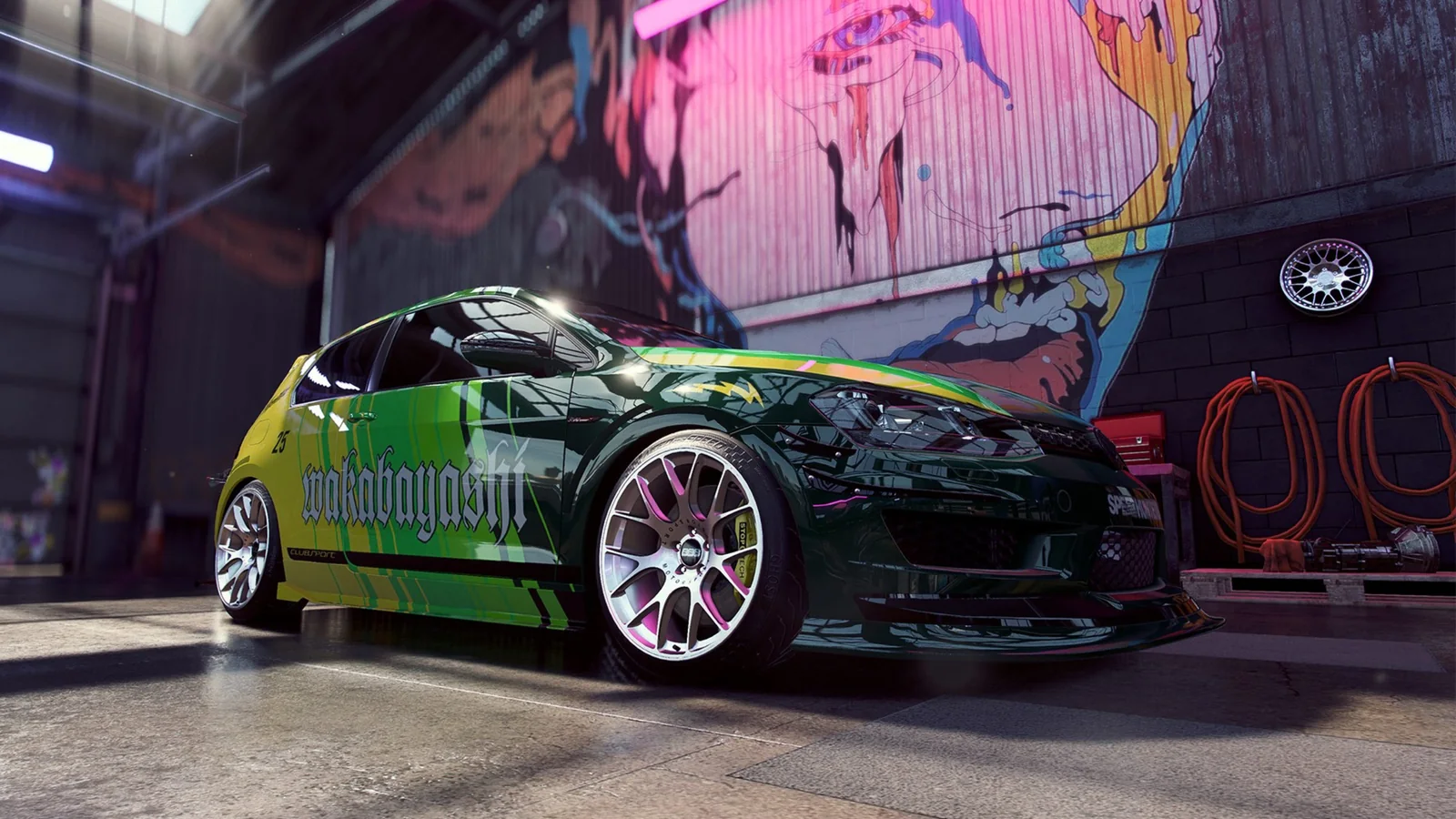
Heat’s garage would also have been a natural place to hide such an Easter egg. The garage already functions as one of the game’s central hubs, allowing players to customize cars, change performance parts, switch characters, manage challenges and display vehicles. A playable arcade cabinet would have added a small side activity without interfering with the main day-and-night racing structure.
EA released Need for Speed Heat on November 8, 2019 for PlayStation 4, Xbox One and PC. Developed by Ghost Games, the title introduced Palm City, a Miami-inspired open world where sanctioned daytime racing earns Bank while illegal nighttime events build Rep under heavier police pressure. It was also the final Need for Speed developed primarily by Ghost Games before Criterion took over leadership of the franchise.
The reported minigame is notable because it appears to have moved beyond a simple design idea. Henderson’s account suggests a developer actually rebuilt Need for Speed II functionality for the arcade machine after the original anniversary concept became impossible due to missing source code. If accurate, that makes it a fairly advanced cut feature rather than an early concept that never entered production.
It is unclear why the feature was not approved or how complete the recreated Need for Speed II version became before being dropped. No details have been shared about whether it reproduced a full race, a limited slice of the 1997 game or a simplified interpretation tailored to Heat’s arcade cabinet. For now, the abandoned minigame remains another example of development work that came surprisingly close to shipping before being removed from the final game.
