


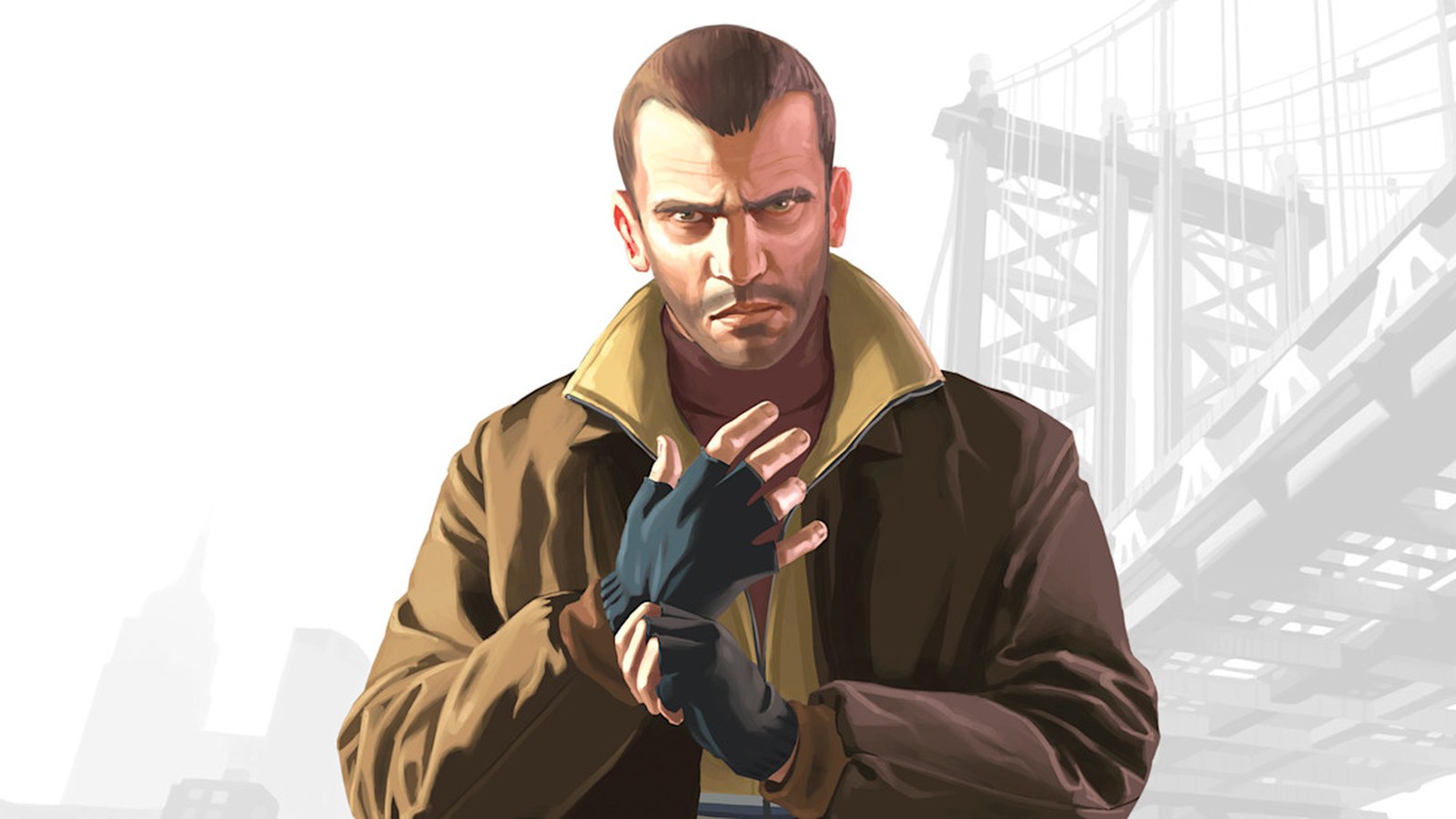
Grand Theft Auto IV has received a new PC mod that adds native DLSS, AMD FSR upscaling and HDR support. The project, called DLSS-IV, was created by modder ChunkLeChuck and released through Nexus Mods on September 20 before receiving an update on September 21. Its central feature is temporal upscaling built around per-object motion vectors generated from GTA IV’s own draw calls rather than a simple post-process sharpening filter.
DLSS-IV supports Nvidia DLSS on RTX graphics cards and AMD FSR 3.1 as a fallback for other GPUs. The developer says DLSS requires an RTX 20-series card or newer, while FSR 3.1 can run across AMD, Intel and older Nvidia hardware that cannot use DLSS. Nvidia’s DLSS runtime is distributed separately, while the FSR library is included with the main mod package.
The motion-vector implementation is one of the more technically significant parts of the project. Modern temporal upscalers rely on information about how individual objects move between frames to reconstruct a higher-resolution image, but GTA IV was released long before technologies such as DLSS and FSR existed. DLSS-IV therefore builds its own per-object motion vectors from the game’s rendering calls to provide the temporal data required by the upscalers.
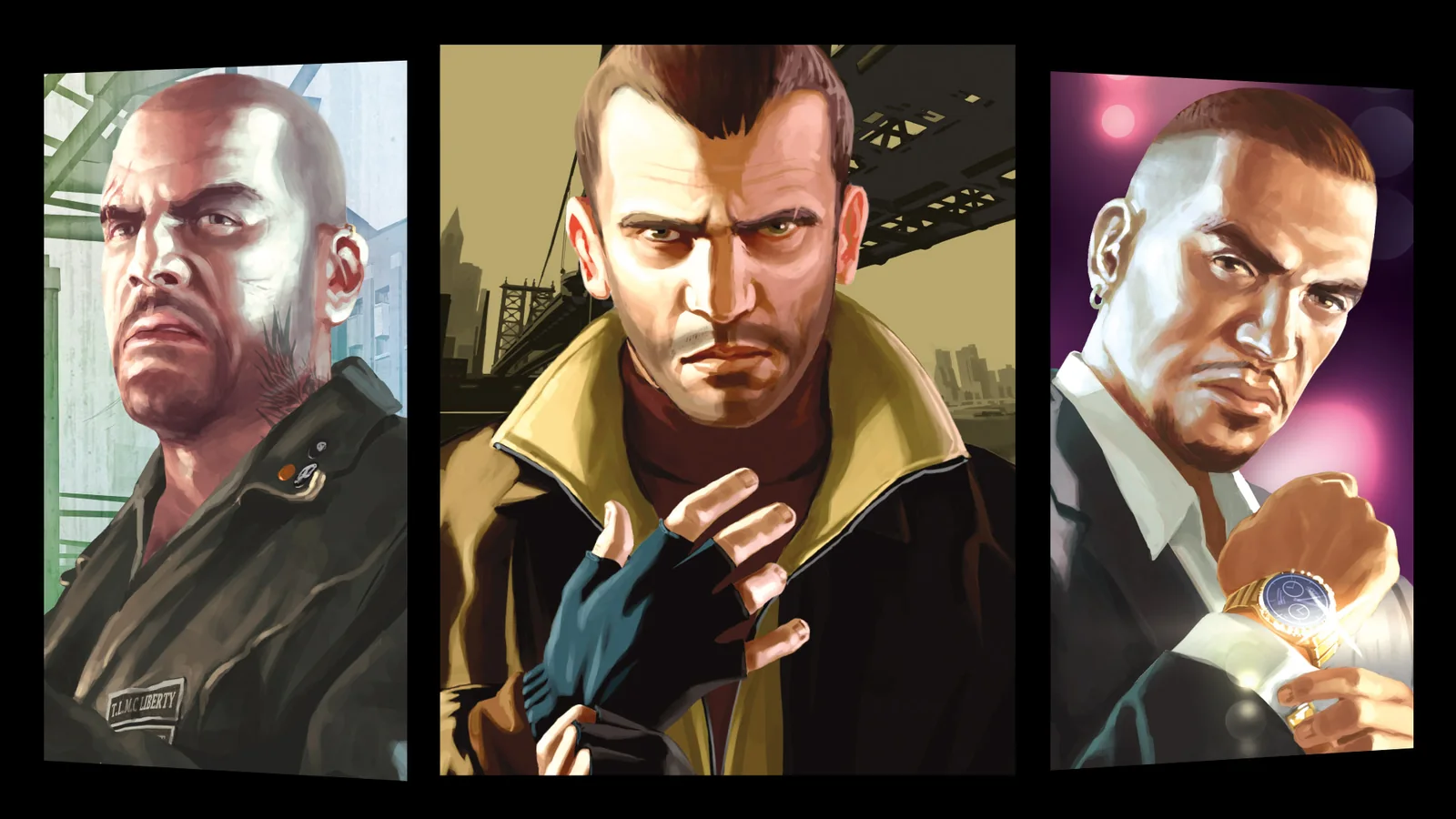
ChunkLeChuck has also integrated native HDR output into the mod. HDR requires Windows HDR to be enabled before launching the game, with GTA IV running in borderless windowed mode rather than exclusive fullscreen. That makes DLSS-IV more than an anti-aliasing replacement, combining image reconstruction, HDR output and rendering-path changes in one package.
The mod depends on FusionFix and requires its graphics API setting to use Vulkan. DLSS-IV ships with DXVK 3.1.1, which replaces the Vulkan DLL installed by FusionFix, and the developer says it works with both GTA IV version 1.0.8.0 and Complete Edition. FusionFix’s own anti-aliasing setting should also be disabled when using DLSS-IV for the intended setup.
AMD users have an additional option on supported Radeon hardware. The included FSR 3.1 implementation can be upgraded to FSR 4 through AMD Software on Radeon RX 7000- and RX 9000-series cards, according to the mod’s documentation. ChunkLeChuck has also noted that unofficial community FSR 4 builds can be substituted manually, although those configurations fall outside the standard packaged setup.
Performance is another focus of the project. The developer says DLSS-IV moves DXVK’s Direct3D work onto a separate thread by default, describing that threading change as the mod’s largest performance improvement. Users who encounter instability can disable the threaded mode through the configuration file, although the developer notes that testing has primarily been carried out on Nvidia hardware.
The release arrives as Rockstar has more clearly formalized its position on single-player modifications. The company’s published mod guidelines allow room for non-commercial single-player projects while placing restrictions on areas such as unauthorized ports, online modifications and certain uses of Rockstar intellectual property. Those limits have already raised questions around more ambitious projects such as the unofficial GTA V Nintendo Switch port, but DLSS-IV is a conventional PC graphics modification rather than a platform port.
GTA IV originally launched on PC in 2008 and has never received an official modern remaster with contemporary temporal upscaling or HDR support. Community projects such as FusionFix have continued addressing rendering, compatibility and quality-of-life problems in the PC version, and DLSS-IV builds on that ecosystem rather than replacing it. Its FusionFix requirement means players already using the popular restoration mod can integrate the new upscaling layer into an existing setup.
DLSS-IV is currently available for GTA IV through Nexus Mods, with version 1.0.4 listed as the latest release. For players with compatible hardware, the project adds modern temporal reconstruction and HDR capabilities to a game that predates both technologies by more than a decade.
