



Marvel’s Wolverine is now reaching peaks of around 20 FPS on the experimental KyTyPS5 emulator, marking another significant step forward for PlayStation 5 emulation on PC. A new test from YouTube channel Unreal Gaming PC shows Insomniac’s PS5 exclusive running on a Ryzen 7 9800X3D and GeForce RTX 4080, with gameplay generally sitting around 6-9 FPS but occasionally climbing into the 15-20 FPS range. The game remains far from consistently playable, but the progress comes only days after Marvel’s Wolverine first reached its main menu through PS5 emulation.
The latest run uses a recent KyTyPS5 build and demonstrates actual in-game movement and combat rather than simply booting into menus. Performance varies substantially depending on the scene, with lighter areas producing the highest figures while more demanding sections fall back into single digits. The 20 FPS number should therefore be treated as a peak rather than a sustained frame rate.
Hardware utilization also underlines how early the emulator remains. The test system pairs AMD’s Ryzen 7 9800X3D with an RTX 4080, and monitoring data shown during the run indicates the game can allocate nearly the card’s full 16 GB of VRAM. It is not clear whether the largest performance drops are primarily caused by graphics-memory pressure, CPU emulation overhead, shader behavior or other unfinished parts of KyTyPS5.
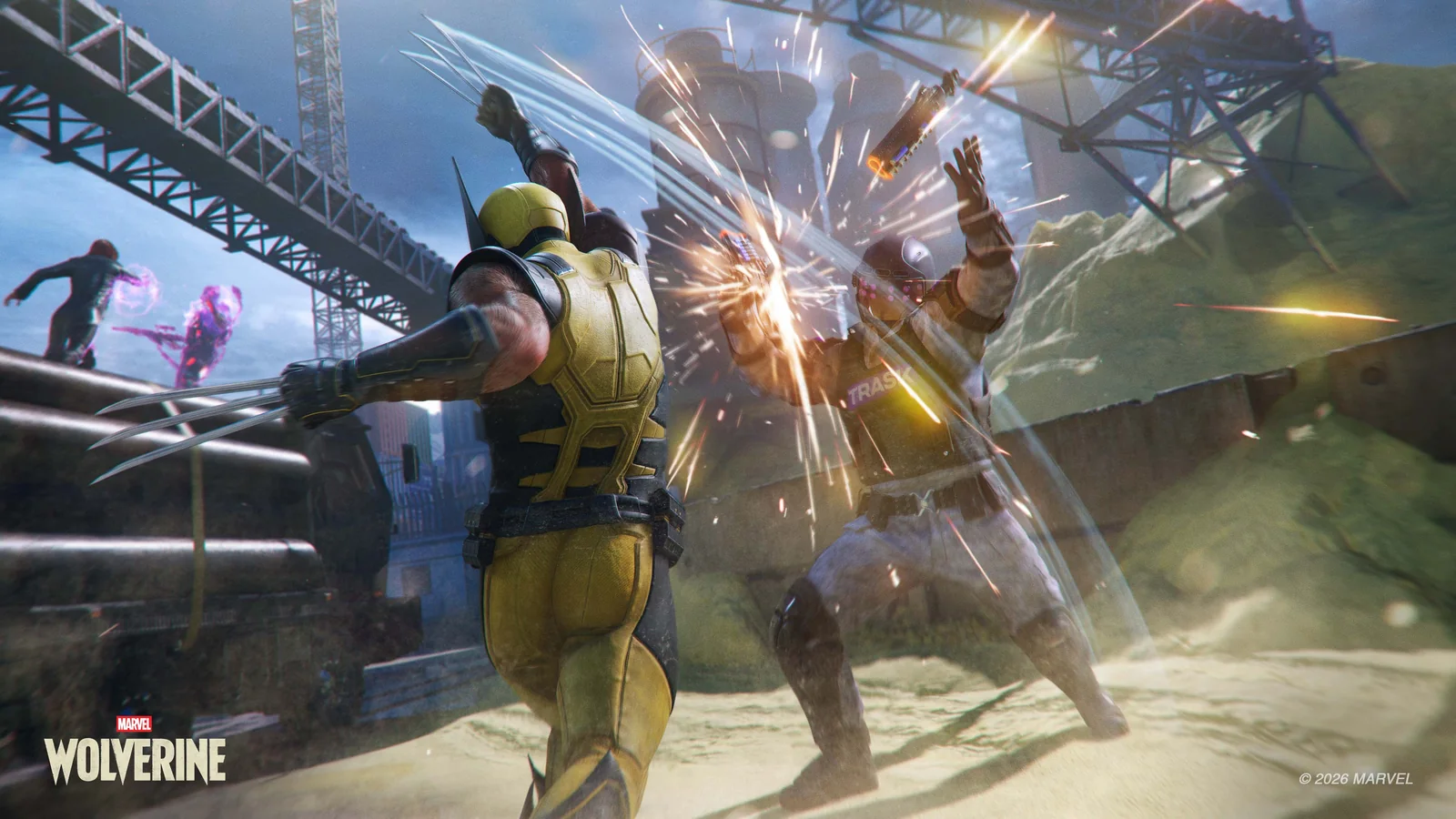
The pace of improvement is nevertheless notable. Earlier Wolverine tests were reportedly producing only a few frames per second, while the newest footage is capable of entering the teens and occasionally touching 20 FPS. Direct comparisons should be made cautiously because different testers have used different PCs and emulator revisions, but the broader trend shows the game moving quickly from boot compatibility toward increasingly functional real-time rendering.
KyTyPS5 itself remains an early-stage emulator with limited compatibility and major differences between titles. Its developers describe the project as a heavily modified PS5-focused derivative of Kyty, with Windows currently receiving the most testing alongside Linux support and experimental macOS builds. The emulator requires an x86-64 processor and Vulkan 1.3-capable graphics hardware, reflecting the still-demanding nature of current PS5 emulation.
Other PS5 games have shown similar rapid gains in recent weeks. Demon’s Souls, for example, has progressed from extremely low single-digit performance to substantially higher frame rates on powerful PCs as emulator development has advanced. Those results do not mean every major PS5 release is close to being fully playable, but they demonstrate that compatibility and performance can improve quickly when specific rendering and system-level bottlenecks are addressed.
Marvel’s Wolverine is a particularly useful test case because it is a recent first-party PS5 title rather than an older cross-generation release. Insomniac launched the game on September 15, 2026, exclusively for PlayStation 5, making its appearance in an emulator less than three weeks later technically notable even in an unfinished state. Sony’s official release remains the only supported way to play the game, and KyTyPS5 does not change that practical reality at current performance levels.
The game itself is also still receiving post-launch attention, including updates adjusting Wolverine’s sensory effects and other refinements from Insomniac. Sony has additionally used Wolverine as one of the titles supporting its newer PS5 image-upscaling work, including QSSR support on the base PS5. Those official optimizations operate in a very different environment from emulation, where developers must reproduce PS5 behavior on general PC hardware.
For now, the newest result is best viewed as a development milestone rather than evidence that Marvel’s Wolverine is ready to play comfortably on PC through KyTyPS5. Sustained single-digit performance, high VRAM demand and likely compatibility issues still stand between the current build and anything resembling native PS5 performance. The rapid jump from menu access to brief 20 FPS peaks, however, shows just how quickly the project is evolving.
