


Xbox’s first-party games business has started growing again after reaching what CEO Asha Sharma described as an “all-time low,” according to comments made during an internal company town hall. Sharma told employees that Xbox had been declining in hours played, player numbers and revenue earlier in 2026, but said hours spent have now stabilized and the company’s first-party segment has returned to year-over-year growth. Exact revenue, player and engagement figures were not disclosed.
The comments were reported by Windows Central, which obtained a transcript of the internal meeting. Sharma told staff that Xbox was “making the right decisions to reinvest in the business” and said first-party growth was now “more than two to three times what we were.” Windows Central later clarified that the chart Sharma was referring to specifically concerned first-party games owned and published by Xbox, rather than the entire gaming business.
What that two-to-three-times comparison represents in absolute terms remains unclear. Microsoft did not provide a baseline, percentage growth figure or financial value alongside the internal remarks, making it difficult to independently measure the scale of the recovery. Sharma nevertheless presented the change as evidence that Xbox’s ongoing restructuring is beginning to improve performance after a difficult start to the year.
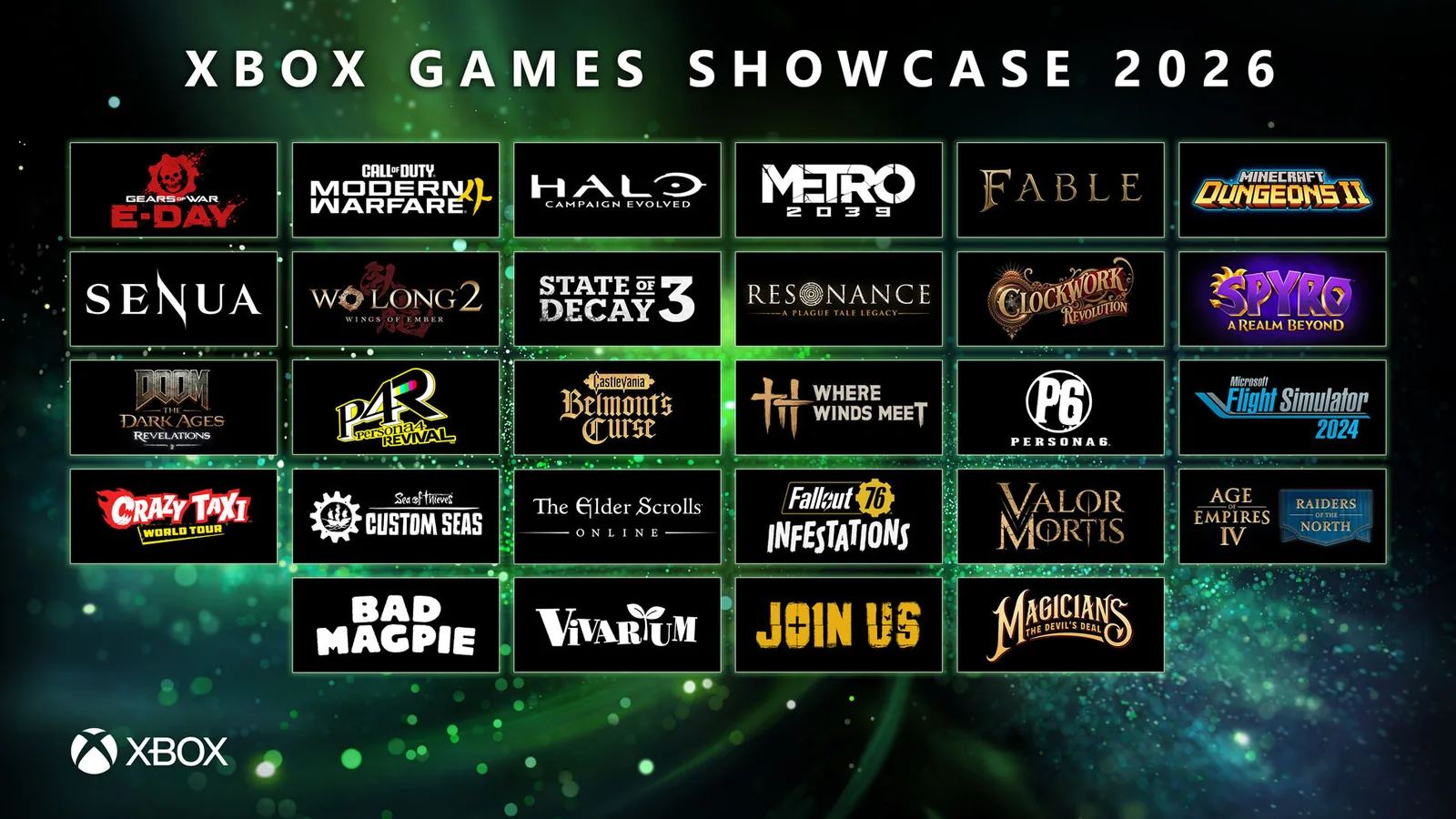
She reportedly pointed to Gears of War: E-Day, Minecraft Dungeons 2 and World of Warcraft Forever as recent titles with “strong” starts, although no launch sales or player totals were shared. Sharma also said positive sentiment toward the Xbox brand has risen by 30% during the past year. The underlying survey methodology and baseline for that figure were not detailed in the reporting, so it should be treated as an internal measure rather than a directly comparable market statistic.
The comments follow months of significant restructuring across Microsoft’s gaming operation. Xbox carried out large layoffs during 2026 and reorganized several studios and franchises, with World’s Edge reportedly losing nearly half of its staff during one of those rounds. Other teams were moved beneath larger publishing organizations as Microsoft attempted to simplify management and focus investment around its biggest franchises.
Sharma also reportedly criticized Xbox’s previous Game Pass strategy, saying it had contributed to “freefall” declines on the balance sheet. She did not provide detailed financial figures explaining that assessment, but the comments fit with Microsoft’s broader effort to rethink how Game Pass, first-party releases and platform economics work together. Sharma suggested the subscription service could become “more flexible for more players” as part of the company’s next phase.
The reported first-party recovery comes only a few months after Microsoft disclosed weaker gaming results. In its fiscal fourth quarter for 2026, Xbox content and services revenue fell 10% year over year, while hardware revenue declined 13%. At the time, Sharma said the company expected the gaming business to return to growth over the following year, making the latest internal comments an early indication that at least one segment may be moving in that direction.
Xbox’s turnaround plan extends beyond software performance. Sharma also used the town hall to discuss Project Helix, Microsoft’s next-generation platform, describing a family of devices built around a traditional console and hardware for players on the go. That strategy is intended to broaden the Xbox ecosystem while keeping console hardware central to the business.
The company’s wider goal remains much more ambitious than recovering from one weak period. Sharma told staff that Xbox wants to be “where the world plays” and framed future success around substantially expanding daily engagement. Microsoft has also been repositioning its major franchises, studios and distribution platforms around a smaller number of strategic priorities covering console, content, creation and community.
For now, the clearest takeaway is that Xbox says its first-party publishing business has moved back into growth after an unusually weak period. The absence of detailed figures makes it impossible to determine how large the recovery actually is, and Microsoft has not yet demonstrated that the improvement extends across the entire Xbox division. Sharma’s comments nevertheless provide the first internal indication that the company believes its restructuring is starting to reverse some of the declines that prompted the reset.
