


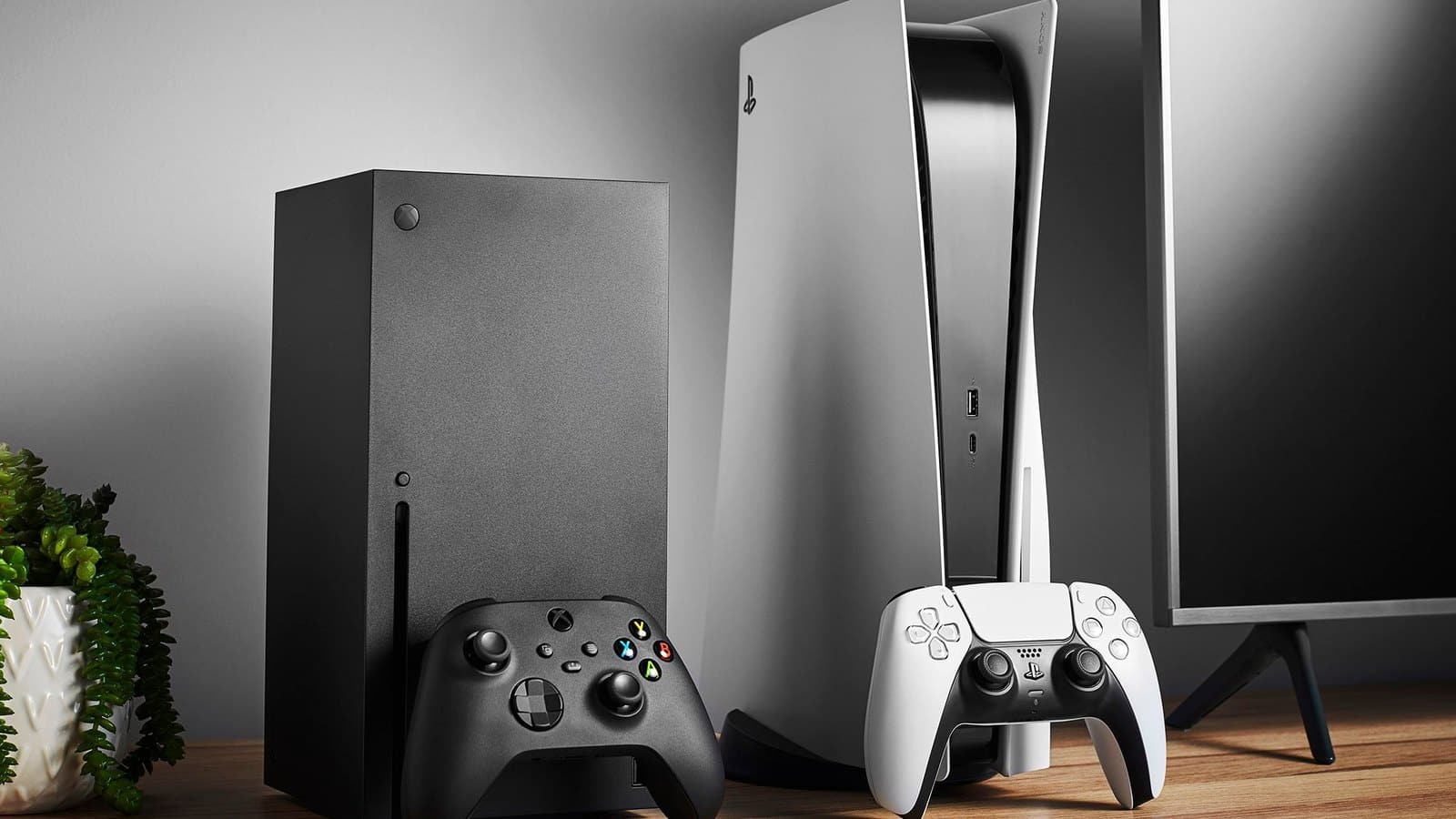
Xbox and PlayStation hardware sales have fallen sharply in the United States during 2026, with new Circana data showing year-to-date declines of 33% and 25%, respectively. The figures cover January through August and arrive as average console prices reach record highs for both platforms. According to Circana analyst Mat Piscatella, Xbox unit sales have fallen to their lowest level on record for the period, while PlayStation sales are at their weakest since 2013.
Piscatella shared the figures on Bluesky on October 9, drawing from Circana’s US Retail Tracking Service. The data shows that American consumers paid an average of $529 for a new Xbox console during the first eight months of 2026, an increase of 26% compared with the same period last year. PlayStation’s average selling price climbed 20% to $597, establishing new records for both console brands in the US market.
The figures highlight the growing pressure facing the console industry as hardware becomes more expensive while fewer consumers purchase new systems. Xbox has experienced the steeper decline, with its year-to-date unit sales falling by roughly one-third compared with 2025. PlayStation has also lost considerable sales volume despite maintaining a stronger position in the market. Piscatella identified increasing price sensitivity as a significant concern for the industry.
August’s results provide a closer look at the slowdown. Total US video game hardware unit sales fell 15% year over year to approximately 559,000 units, the weakest August result since 2013, when 423,000 units were sold. PlayStation hardware sales declined 11% compared with August 2025, while Xbox sales dropped 31%. Nintendo hardware unit sales also fell 15% during the month.
Despite selling fewer consoles, the industry experienced a much smaller decline in hardware revenue. Consumer spending on video game hardware fell just 3% in August to approximately $302 million, while the average price paid for a new gaming system reached $541. That represents a new August record, surpassing the previous high of $476 established in 2025.
The difference between unit sales and revenue is particularly visible in PlayStation’s performance. Although Sony sold 11% fewer hardware units during August, PlayStation 5 hardware dollar sales increased 17% compared with the previous year. Higher selling prices helped offset the decline in the number of systems purchased, demonstrating how revenue growth can coexist with weakening consumer demand.
Recent console price increases have contributed to the changing market conditions. Sony raised prices across its PlayStation 5 lineup in April, including an increase that brought the PS5 Pro to $899.99 in the United States. Microsoft subsequently increased the Xbox Series X price to $799.99 in August, placing the console substantially above its original $499 launch price.
Rising component costs, particularly for memory and storage, have added pressure to hardware manufacturers. Strong demand for memory products from the artificial intelligence and data center industries has contributed to tighter supplies and higher manufacturing costs. These conditions have affected gaming hardware more broadly, leaving manufacturers balancing production expenses against consumers’ willingness to pay.
Nintendo has not escaped the slowdown, although its Switch 2 remains the leading console in the United States. Circana reported that Switch 2 ranked first in both unit and dollar sales during August and across the January-to-August period. PlayStation 5 occupied second place in both categories, leaving Xbox behind its two main competitors in the US hardware market.
The weakness in Xbox hardware sales comes alongside Microsoft’s attempts to strengthen its gaming business through software and services. Xbox leadership has recently highlighted renewed growth in first-party games following an earlier decline in performance. However, improvements in software engagement do not necessarily translate into stronger console sales, particularly when games and subscription services are available across multiple devices.
Upcoming major releases could influence hardware demand during the remaining months of 2026. Grand Theft Auto VI is expected to be a particularly important release for the console market, although its potential impact will depend on pricing, availability, and consumer purchasing decisions. Reported differences in GTA VI preorder demand between PS5 and Xbox also suggest that any resulting hardware sales boost may not be evenly distributed across platforms.
For the broader US gaming market, the figures reveal a difficult combination of declining hardware adoption and historically high prices. While stronger selling prices have helped preserve some revenue, the substantial reductions in Xbox and PlayStation unit sales indicate that affordability has become a central challenge. Whether major game releases and future pricing decisions can reverse that trend remains uncertain.
