


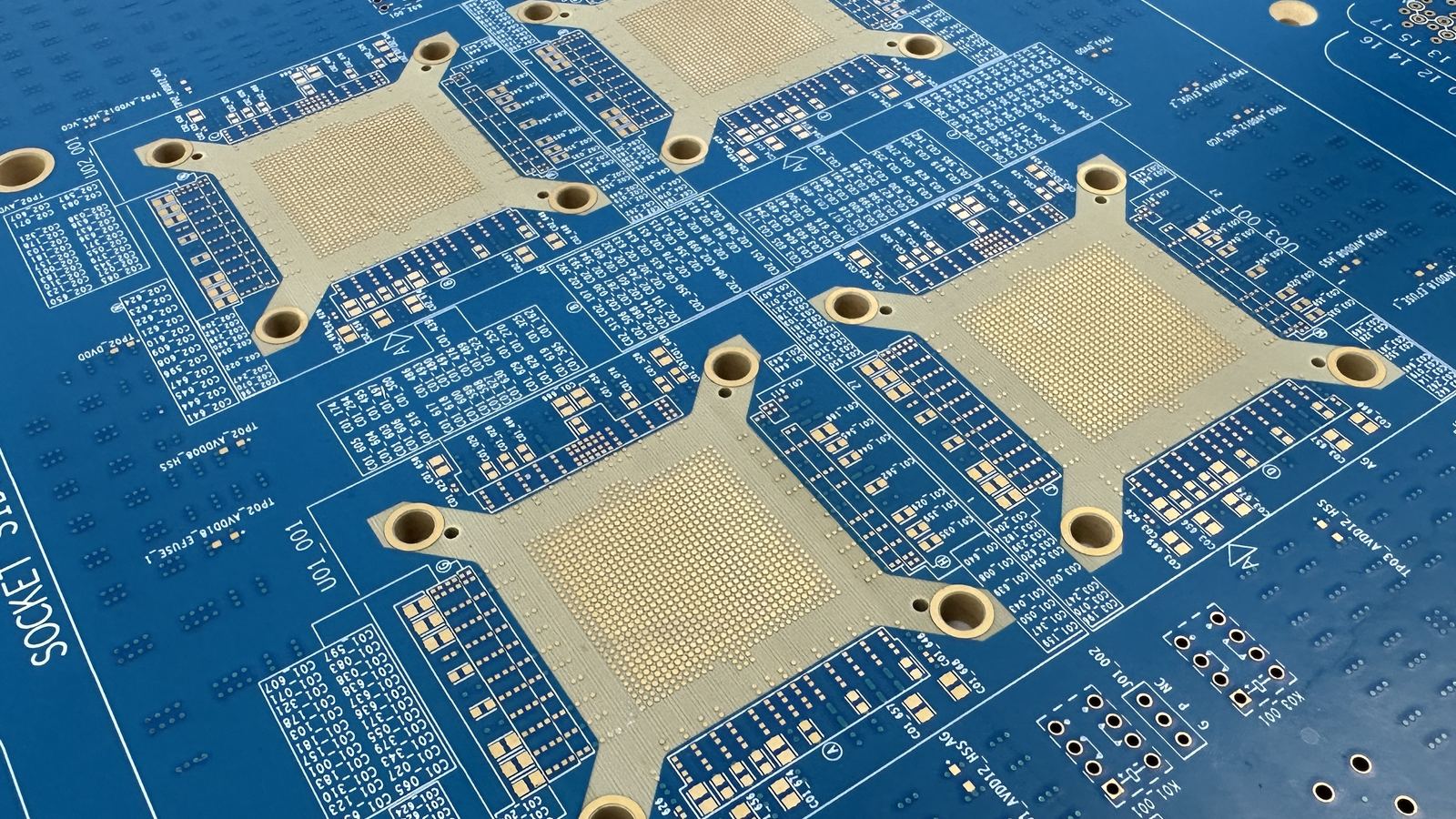
Printed circuit boards (PCBs) are becoming more expensive and harder to source as demand from artificial intelligence infrastructure puts pressure on global electronics manufacturing. The emerging supply constraints could affect PC motherboards, graphics cards and other consumer hardware, potentially increasing manufacturing costs and complicating future product launches.
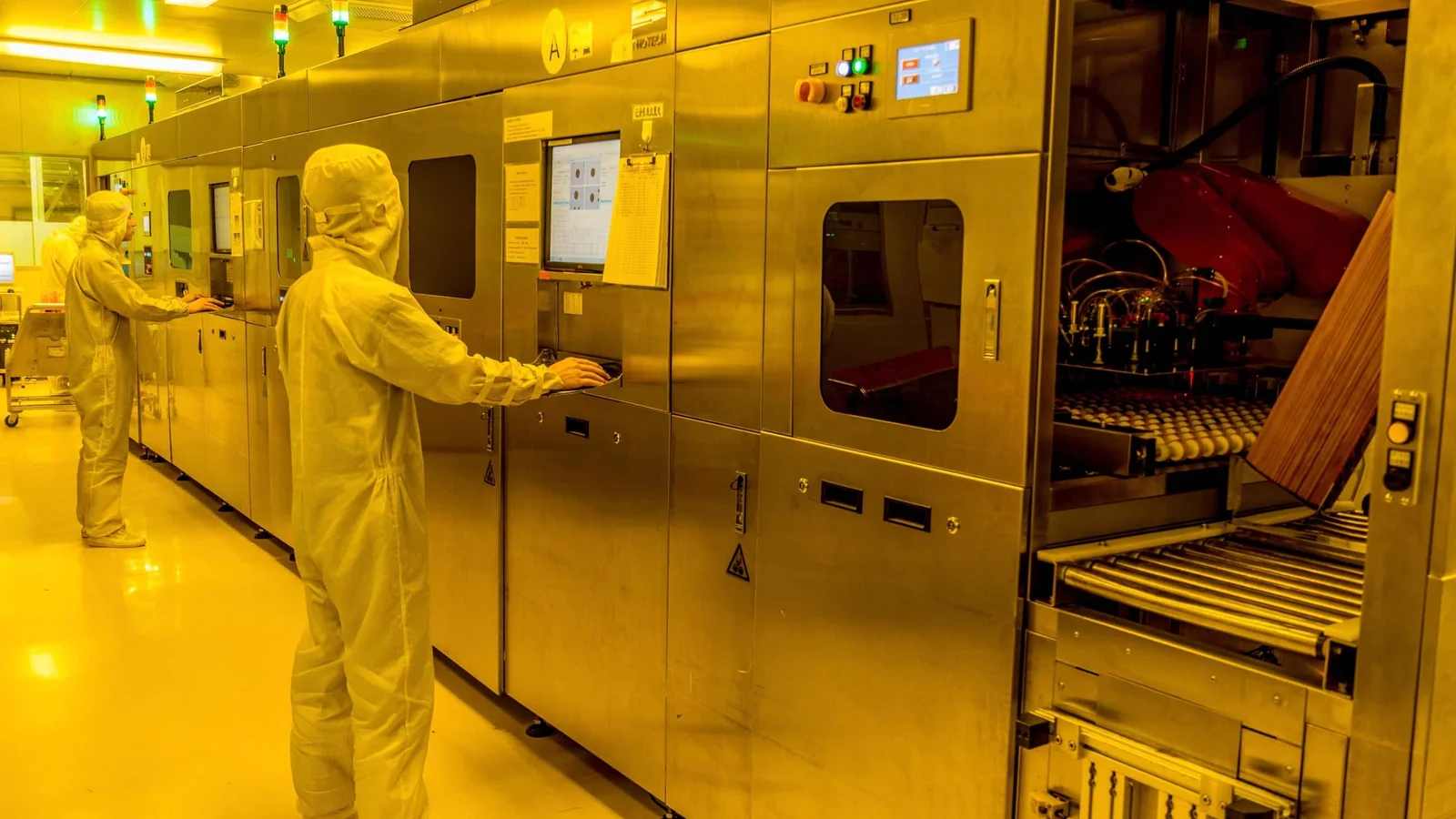
An October 26 investigation by German business newspaper Handelsblatt documents growing difficulties among European electronics manufacturers, including higher raw-material prices, longer delivery times and competition for Asian production capacity. The findings suggest that the AI infrastructure boom is creating supply-chain pressure beyond memory chips and other semiconductor components.
According to Handelsblatt’s investigation, German electronics manufacturer Zollner AG reported that prices for basic PCB materials increased by approximately 70% between November 2025 and August 2026. Dominik Zillner, head of electronics service provider Components at Service, said lead times for FR-4 material had increased from two to three weeks in the spring to six to eight weeks.
FR-4 is a fiberglass-reinforced epoxy laminate commonly used to manufacture printed circuit boards. These boards provide the physical structure and electrical connections needed for components in motherboards, graphics cards, laptops and other electronic devices.
The reported cost increases concern manufacturing materials rather than finished consumer products. A 70% increase in raw-material costs does not mean motherboard or graphics card retail prices will rise by the same percentage.
AI infrastructure is a major contributor to the growing demand. Advanced computing systems require increasingly complex circuit boards with numerous layers, while manufacturers are competing for production capacity and specialized materials.
Thomas Michels, head of German PCB manufacturer ILFA and vice president of the European Institute of Printed Circuits, told Handelsblatt that major customers are securing the output of entire Asian factories for years ahead. Such arrangements can leave less manufacturing capacity available for smaller electronics companies and traditional industrial customers.
The pressure is not limited to finished circuit boards. In July, German electronics industry association FED warned that FR-4 laminate manufacturers and glass-fabric suppliers were experiencing declining inventories, longer lead times and early material allocation programs.
PCB supplier Leiton offered a more nuanced assessment in its October 5 market update. The company said standard FR-4 material remained available and was not experiencing an acute general shortage, although allocation practices, rising prices and constraints affecting certain multilayer materials and thin prepregs were creating difficulties for buyers.
For PC builders, the main concern is whether these higher manufacturing costs eventually reach consumer hardware. Motherboards depend directly on PCB fabrication, while graphics cards also require complex multilayer boards to connect GPUs, memory chips and supporting components.
The industry is already dealing with other AI-related hardware supply pressures, including reported supply constraints affecting the GeForce RTX 5090. Separate reports of RTX 5090 cards being converted for AI server applications illustrate another way demand for AI computing hardware can intersect with the gaming market.
Chip packaging substrates are another area of concern. Unlike conventional circuit boards, these specialized substrates connect semiconductor dies to their packages. They use different manufacturing processes and materials, but demand for advanced AI processors is placing pressure on parts of this supply chain as well.
Higher PCB costs could eventually translate into more expensive motherboards, graphics cards and complete gaming PCs if manufacturers cannot absorb the additional expenses. Restricted material availability could also complicate production schedules for upcoming hardware.
However, no specific retail motherboard price increase or gaming hardware launch delay has been confirmed as a direct consequence of the reported PCB constraints. The documented developments concern supplier costs, material allocation and manufacturing lead times.
The scale of the impact on consumer PC hardware will depend on how long these constraints persist, whether suppliers expand capacity and how much of the additional manufacturing cost hardware companies pass on to buyers.
