


TP-Link faces fresh regulatory scrutiny in the United States after the Federal Communications Commission (FCC) raised concerns about inaccurate equipment certification information and excessive power levels in several of the company’s wireless routers. The findings add another complication to TP-Link’s efforts to secure approval for its upcoming Wi-Fi 8 products in the US market.
According to an October 27 investigation by Bloomberg Law, the FCC’s Office of Engineering and Technology sent TP-Link two letters dated October 15, 2026. The agency tentatively determined that the company submitted false or incorrect information in equipment authorization applications covering four router models. Three of those routers also reportedly exceeded permitted power levels during testing.
The allegations remain preliminary rather than final regulatory findings. They concern specific router models and do not establish that TP-Link’s entire product lineup violates FCC requirements.

The FCC’s equipment authorization process evaluates whether wireless devices comply with technical standards, including radio-frequency emissions and transmission power limits. These requirements help control interference between wireless devices operating on shared frequencies.
Exceeding permitted radio transmission power is different from a router drawing too much electricity from a wall outlet. The reported findings concern regulatory power limits relevant to wireless equipment compliance.
The letters introduce another issue for TP-Link while the manufacturer attempts to bring new networking hardware to American consumers. The company has been seeking conditional approval under US restrictions on newly authorized foreign-produced consumer routers.
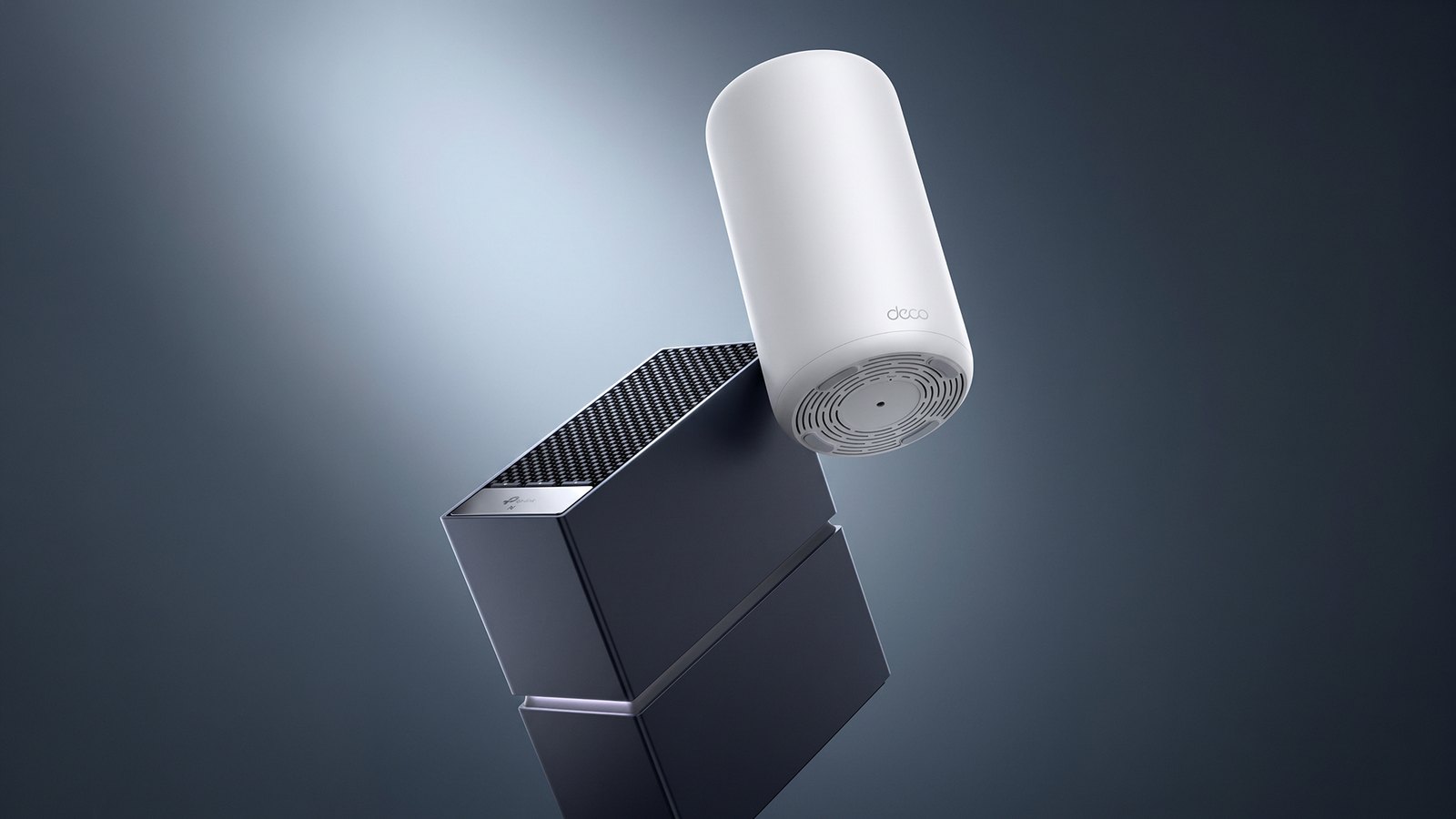
TP-Link announced its Archer 8 platform in May 2026, initially targeting an October launch. Its broader roadmap includes Deco 8 mesh networking equipment in the first quarter of 2027, followed by travel routers, range extenders and adapters later that year.
Wi-Fi 8 emphasizes consistent wireless performance, improved reliability and reduced latency rather than simply increasing peak connection speeds. Those improvements are particularly relevant to households with numerous connected devices, including gaming PCs and consoles.
Other manufacturers are also moving into the next-generation networking market. ASUS has already begun shipping its ROG Rapture GT-BN98 Wi-Fi 8 gaming router, featuring dual 10GbE connections, four 2.5GbE ports and gaming traffic management features.
TP-Link has separately proposed expanding US manufacturing operations to address regulatory concerns. In October, the company announced a letter of intent with manufacturing partner Keytronic to establish domestic router assembly capabilities. Wi-Fi 8 devices could be among the first products assembled at Keytronic’s Mississippi facility, potentially beginning in 2027, subject to regulatory approval.
The latest allegations do not mean TP-Link has received a final ban on all router sales. Existing authorized products remain available in the United States, while the company’s newer devices face a separate approval process.
Responding to the FCC concerns, TP-Link said routine equipment checks are a longstanding industry practice and that individual product testing results can vary. The company expressed support for the regulator’s oversight and committed to cooperating with officials to resolve technical questions.
TP-Link also said it would address any confirmed technical issues as quickly as possible if corrective action proves necessary.
For US consumers considering TP-Link’s upcoming Wi-Fi 8 hardware, the immediate concern is product availability rather than a demonstrated performance problem with the new wireless standard. The reported compliance findings concern particular routers, while approval for TP-Link’s next-generation lineup remains unresolved.
The FCC has not announced a final determination on the latest allegations, and TP-Link has not confirmed when its Wi-Fi 8 routers will receive the necessary authorization for US sales.
