


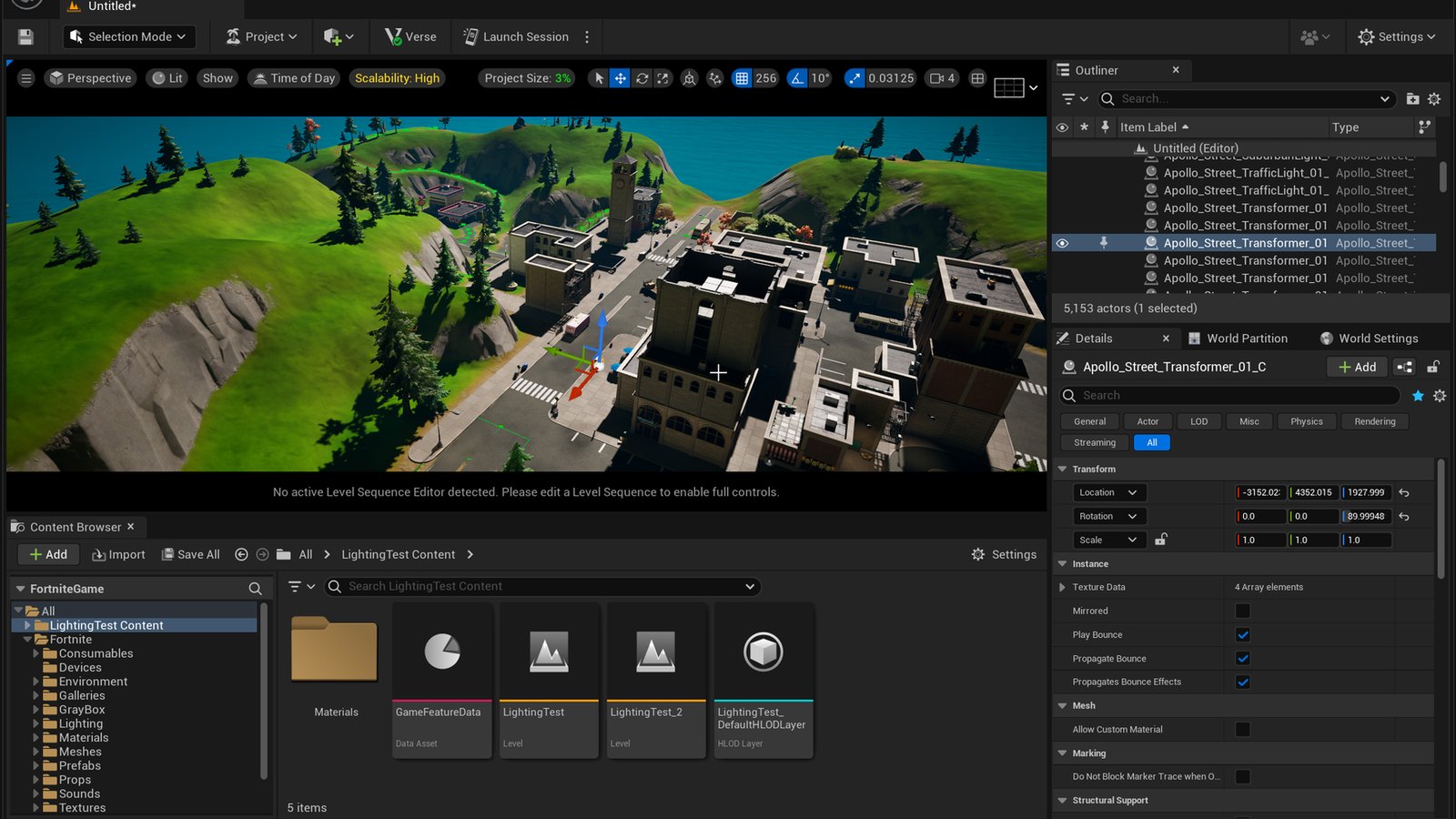
Epic Games has confirmed that its engineers are using AI tools to generate much of the code behind Unreal Engine 6, Fortnite and Unreal Editor for Fortnite (UEFN). Marcus Wassmer, Epic’s Executive Vice President of Development, revealed that engineers are no longer manually writing the majority of code in the affected workflows, instead directing AI systems and refining their output.
In statements provided to This Week in Videogames and published on October 28, 2026, Wassmer identified Anthropic’s Claude Code and OpenAI’s Codex as two of the company’s primary AI development tools. He also described several engineering improvements Epic attributes to their use, including fixes for long-standing Unreal Engine bugs, faster shader compression work and a substantial rewrite of the DirectX 12 rendering layer.
“Yes, we are vibe-coding things,” Wassmer confirmed. However, he emphasized that Epic’s engineers remain responsible for guiding the architecture and ensuring that generated code meets the engine’s performance, memory and scalability requirements.
The approach involves iterative development rather than allowing AI to generate an entire engine without engineering oversight. Wassmer said most current development is concentrated in the code streams associated with Fortnite, UEFN and Unreal Engine 6.
One of Epic’s most significant claimed improvements involves non-deterministic cooking bugs, which the company has reportedly spent approximately a decade trying to eliminate. In Unreal Engine, cooking is the process of preparing game assets for distribution on specific platforms. Inconsistent results can complicate game builds and development pipelines.
According to Wassmer, AI-assisted development has helped Epic almost completely eliminate this category of bugs. The tools have also accelerated work on shader compression, which Epic says can substantially reduce game patch sizes.
Another example involves Unreal Engine’s Direct3D 12 (D3D12) rendering layer, which handles graphics operations on supported Windows hardware. Wassmer said a substantial portion of that layer was rewritten in approximately one week using AI-assisted development. He had originally estimated that the same task would require three to six weeks of work from a single engineer.
Epic claims the rewrite also reduced CPU processing time and introduced fewer bugs. However, the company has not provided independent benchmarks establishing the performance improvement or its impact on frame rates in shipping games.
These rendering improvements are particularly relevant to PC developers working with Unreal Engine, where shader processing, CPU overhead and graphics-driver interactions can affect performance. Epic is also working on Advanced Shader Delivery in Unreal Engine 5.8, which focuses on reducing shader-related stuttering through precompiled shader distribution.
Beyond rendering, Epic is applying AI to software testing and hardware compatibility investigations. Wassmer said the company is expanding its internal test coverage while introducing automatic monitoring of Fortnite’s stability across different PC configurations.
The monitoring systems can identify problematic combinations of graphics drivers, hardware and game features. AI-assisted root-cause analysis and automatic fix generation are also being used to investigate difficult issues that previously required extensive manual debugging.
Epic says these systems are already helping address persistent PC stability problems affecting Fortnite and Unreal Engine. The company has not disclosed specific failure-rate reductions or independently verified reliability results.
AI tools are also enabling broader architectural changes within Unreal Engine. Wassmer explained that some previously planned improvements required small modifications across thousands of source files, making them particularly time-consuming to implement manually.
Epic now expects AI-assisted refactoring to help make Unreal Engine more modular, potentially allowing developers to remove unnecessary engine components and iterate more efficiently. These are development goals rather than completed, independently demonstrated improvements across all Unreal Engine projects.
The latest statements represent a significant expansion of Epic’s previously disclosed AI strategy. In June 2026, Wassmer outlined plans to integrate Unreal Engine 5 and UEFN into Unreal Engine 6, while confirming that the company had opened AI code-generation and analysis tools to its engineering teams.
At that time, Epic said much of its AI experimentation involved development utilities, code indexing, debugging assistance and automated testing rather than generating code directly for the main Unreal Engine codebase. The October statements confirm that AI-generated implementations now play a substantially larger role in engine development.
Epic’s emphasis on AI-assisted engineering also reflects a broader change among game-engine developers. Capcom, for example, is pursuing AI-assisted development through its RE Engine REX project, including improvements to programming and automated testing workflows.
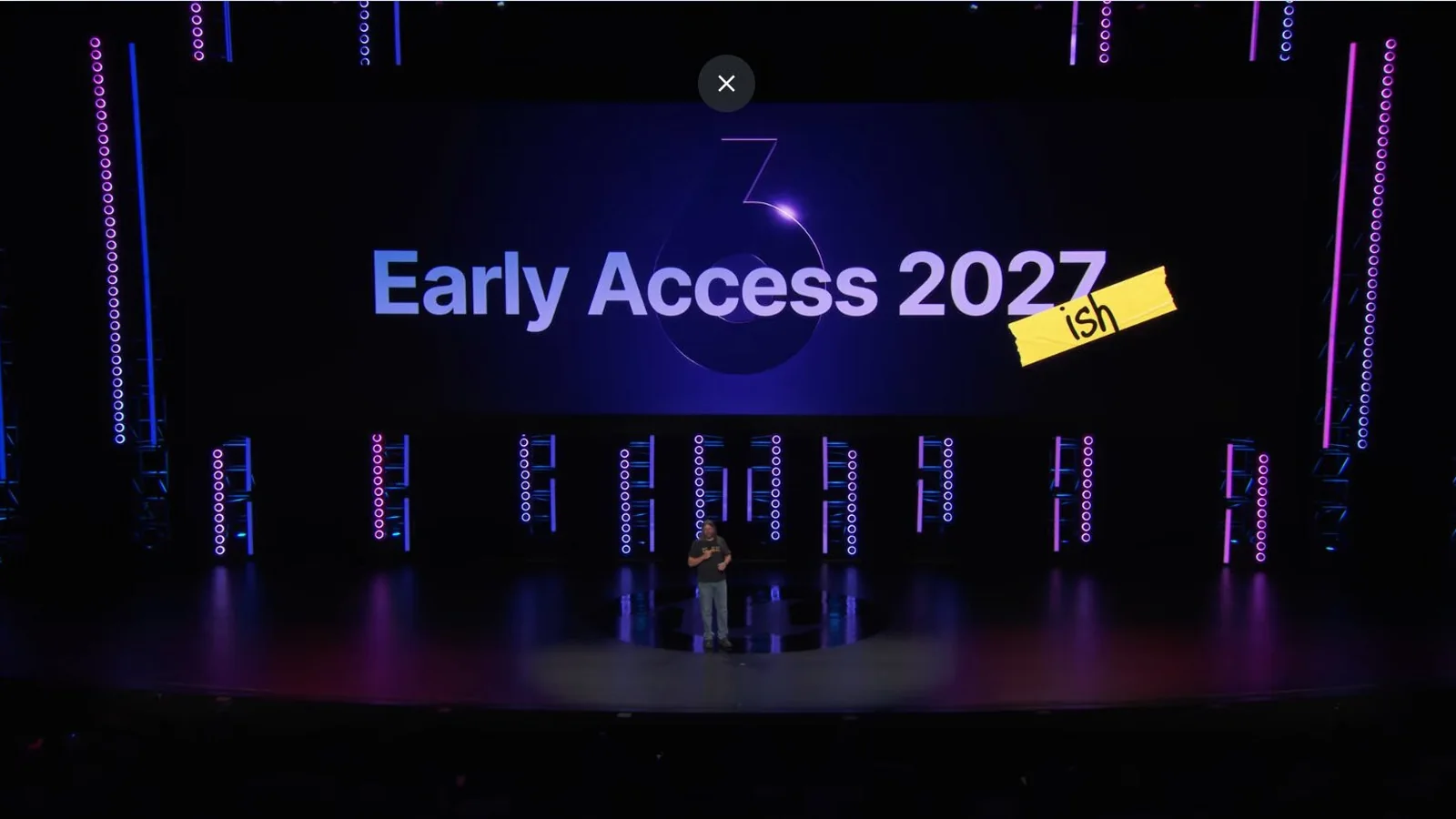
For Epic, the immediate priority remains Unreal Engine 6 and UEFN. The company previously targeted Unreal Engine 6 Early Access for late 2027, followed by a full release approximately 12 to 18 months later. Wassmer has also left open the possibility of a smaller Unreal Engine 5.9 update containing AI-assisted changes, although Epic has not committed to releasing it.
The company believes extensive AI adoption will allow developers to deliver features and resolve technical problems more quickly. Wassmer acknowledged skepticism surrounding AI-generated code but said Epic considers the risks of adopting the technology too slowly more significant.
For PC gamers, the most tangible potential benefits are smaller updates, fewer crashes and improved rendering efficiency. Epic has identified specific engineering results behind those goals, but their broader impact on Fortnite and future Unreal Engine games will depend on how successfully the changes perform in released software.
