


Call of Duty: Modern Warfare 4 targets 30 FPS in its single-player campaign, 60 FPS in competitive multiplayer and 40 FPS in DMZ on Nintendo Switch 2 when connected to a 120Hz display, according to a new technical analysis published by Digital Foundry on October 30. The testing reveals a generally stable experience across the game’s major modes, although reduced rendering resolution, occasional multiplayer frame-rate drops and increased input latency remain notable compromises.
The analysis provides a detailed assessment of the first Call of Duty release on Nintendo hardware in more than a decade. Modern Warfare 4 launched on October 23, 2026, for Switch 2 alongside PlayStation 5, Xbox Series X|S and PC. Digital Foundry examined how the hybrid console handles the game’s demanding environments, rendering effects and different performance targets.
In the campaign, Switch 2 generally maintains its 30 FPS target, with occasional drops during an intense shootout in Paris. Some pre-rendered cinematic sequences exhibit hitching, although similar issues were observed on other console versions. The actual gameplay remains comparatively consistent.
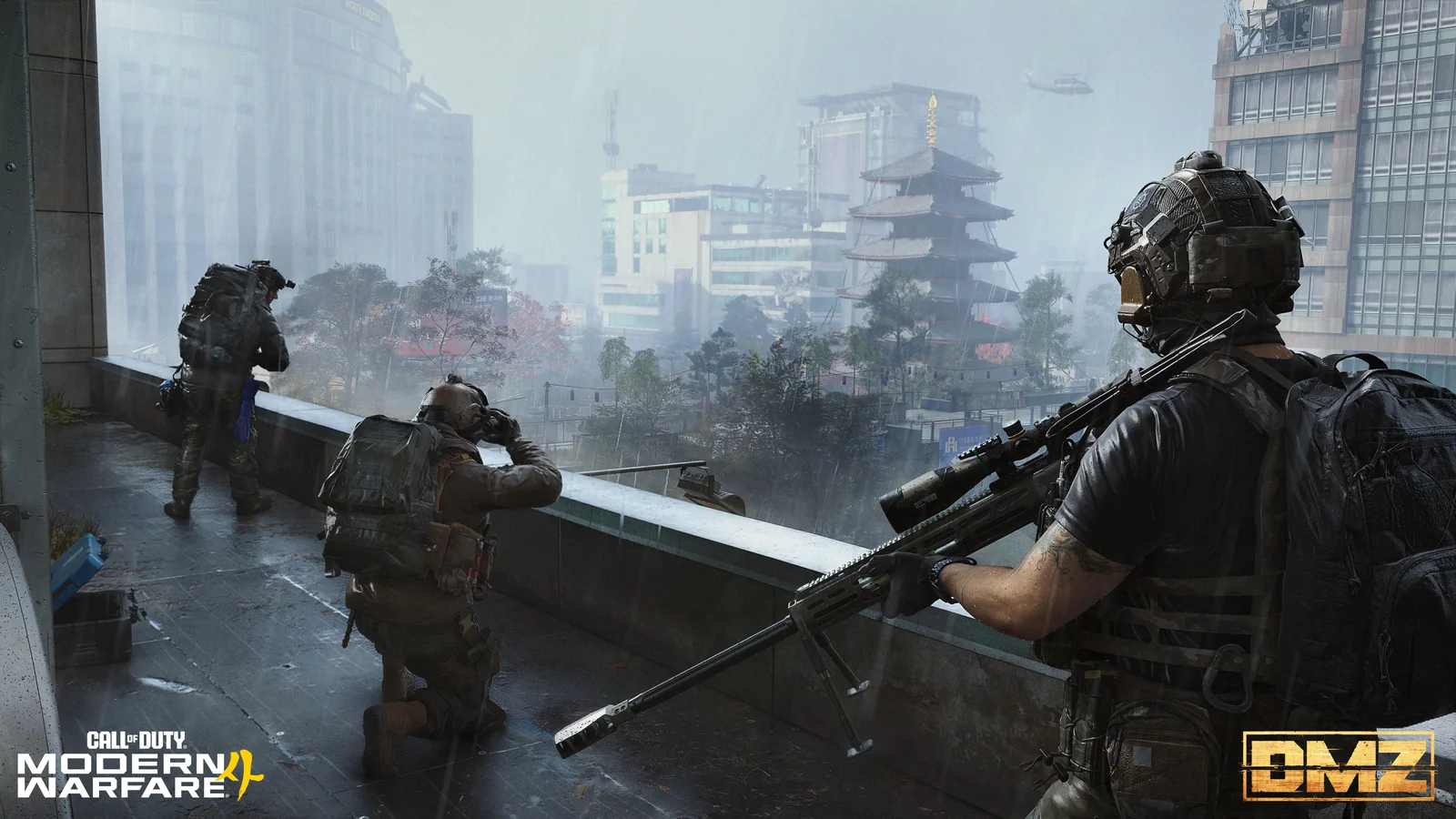
Competitive multiplayer instead targets 60 FPS, prioritizing responsiveness over visual fidelity. However, Digital Foundry recorded fluctuations into the 50 FPS range and occasionally the upper 40s. The analysis also highlights input latency as a concern, particularly for players competing against opponents on other platforms.
The extraction-based DMZ mode, which received early access ahead of the full launch, offers a separate 40 FPS option for players using compatible 120Hz displays. Digital Foundry found its frame rate generally stable, although the lower refresh target introduces responsiveness compromises compared with 60 FPS multiplayer.
Resolution is another area where the Switch 2 version makes significant adjustments. When docked, the game’s Nvidia DLSS mode uses dynamic resolution scaling with a reported 900p target, potentially falling as low as 450p during particularly demanding scenes. The alternative Filmic SMAA T2X anti-aliasing option targets a higher 1080p output but operates within a similar dynamic resolution range.
DLSS provides cleaner temporal reconstruction of fine details, particularly in moving scenes and visually noisy environments. Its main disadvantage is a generally softer image. The SMAA option can produce a sharper presentation in some circumstances but struggles more with certain transparent effects and fine moving details.
In handheld mode, Modern Warfare 4 operates with a dynamic 720p resolution that can decline to approximately 360p under heavy graphical loads. Digital Foundry found no substantial changes to the underlying graphical feature set between docked and handheld play, meaning the portable configuration relies heavily on resolution adjustments to accommodate the hardware’s operating limits.
Several rendering techniques nevertheless survive the transition from more powerful platforms. Ray-marched smoke simulation, rasterized global illumination techniques, interactive smoke volumes and destructible glass remain present. Environmental details such as projected imagery on walls and the density of non-player characters in the New York City campaign mission are also retained.
Other effects have been reduced or removed. The Switch 2 version lacks bump mapping and screen-space reflections, while character self-shadowing is absent from the campaign. Self-shadows return in multiplayer, although their resolution is substantially reduced. Environmental detail also changes more abruptly at certain viewing distances, with reduced grass density and simplified transparency effects in selected locations.
These adjustments illustrate how the developers have preserved important gameplay interactions while reducing rendering costs. Environmental destruction and smoke effects remain especially relevant to multiplayer encounters, where maintaining consistent gameplay behavior across supported platforms matters.
Storage requirements are comparatively lower on Nintendo’s console. Digital Foundry identifies an approximately 88GB installation for Switch 2, compared with around 120GB on PlayStation 5. That represents a reduction of roughly 32GB, although the Switch 2 version still requires substantial storage space.
The findings add technical context to Modern Warfare 4’s Nintendo launch, which saw Switch 2 account for 3% of the game's first-week UK physical sales. They also complement PC graphics benchmarks examining Modern Warfare 4's rendering performance, highlighting the different hardware demands and optimization priorities across platforms.
Digital Foundry’s overall assessment is positive about the port’s technical execution, particularly its retention of significant visual and gameplay features. However, its findings establish important distinctions between the available modes: the campaign delivers a relatively stable 30 FPS experience, DMZ offers 40 FPS on suitable displays, and competitive multiplayer aims for 60 FPS without consistently maintaining that target.
For Switch 2 players, the choice ultimately involves accepting lower image quality and occasional performance fluctuations in exchange for access to the full Modern Warfare 4 experience on Nintendo’s hybrid hardware.
