


Intel is redirecting some of its Intel 18A manufacturing resources away from Panther Lake consumer processors to expand production capacity for Xeon server CPUs. The company confirmed the decision during its October 29, 2026, third-quarter earnings call, citing strong data center demand and weakening conditions in the PC market.
Intel CFO Dave Zinsner explained that the company is taking some Intel 18A capacity offline at its Oregon manufacturing facilities to establish additional Intel 3 production capacity. Those manufacturing resources would otherwise have been used primarily for Panther Lake processors, Intel’s consumer CPU family built on its 18A process technology.
The change will allow Intel to increase production of server processors, particularly its Xeon 6 Granite Rapids family, which uses the Intel 3 manufacturing process. CEO Lip-Bu Tan confirmed that the additional Intel 3 capacity in Oregon is expected to enter production during the second half of 2027.
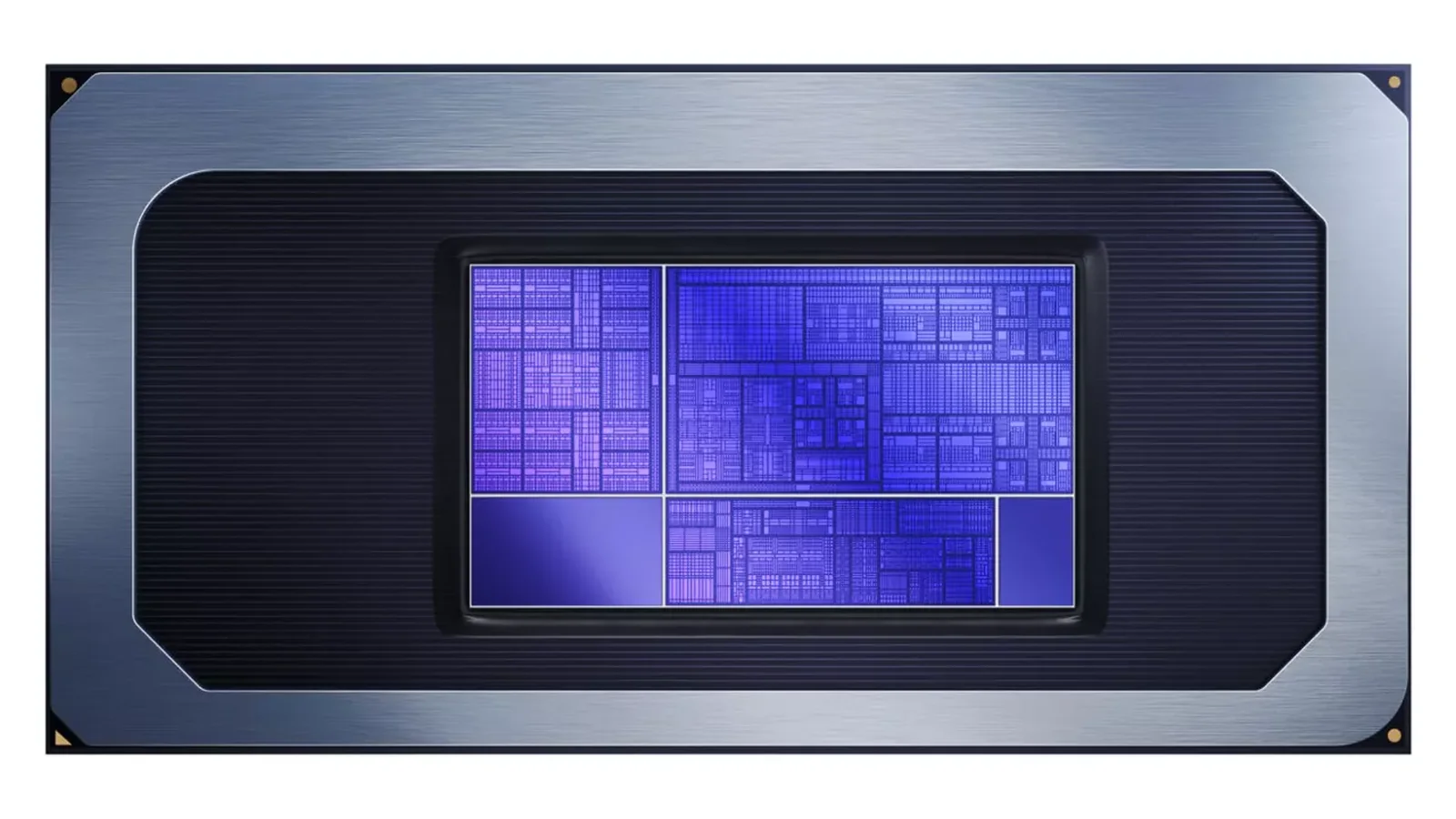
The decision reflects contrasting demand trends across Intel’s consumer and data center businesses. During the earnings call, Tan explained that higher memory prices and limited IT budgets have weakened PC purchasing activity. Intel’s manufacturing partners are also adjusting inventory levels as demand softens.
Memory pricing has become a broader concern for the PC hardware industry. SK hynix has warned that memory supply shortages could persist through 2030, reflecting growing pressure on semiconductor supply chains as AI infrastructure demand expands.
Intel expects the challenging PC market environment to continue over the coming quarters. This provides an opportunity to redirect manufacturing resources toward server processors, where demand currently exceeds the company’s available supply.
During the earnings call, Morgan Stanley analyst Joseph Moore specifically asked whether weaker PC demand would allow Intel to reallocate wafer capacity.
Zinsner answered yes, confirming that some of the resources being redirected toward Intel 3 would otherwise support Panther Lake production. However, he emphasized that increasing wafer output alone would not resolve Intel’s server supply constraints.
The company is also experiencing shortages of advanced packaging substrates, which are necessary to turn manufactured silicon into finished server processors. Intel is working with suppliers to expand substrate capacity, with much of that additional supply expected to become available in the latter half of 2027.
Despite reallocating some manufacturing resources, Intel has not announced that Panther Lake production will stop. Tan confirmed during the same earnings call that Panther Lake has successfully ramped on Intel 18A, while the company continues expanding 18A manufacturing operations in Oregon and Arizona.
Intel is also preparing additional consumer processors, including Nova Lake, which is expected to use the enhanced Intel 18A-P process. The company said Nova Lake remains ahead of schedule and that further information will be shared at CES in January 2027.
For PC hardware buyers, the manufacturing adjustment illustrates how Intel is balancing consumer processor production against rapidly growing demand for data center CPUs. The company has not disclosed how much Panther Lake capacity will be redirected or announced any resulting changes to consumer processor availability, pricing or launch schedules.
