


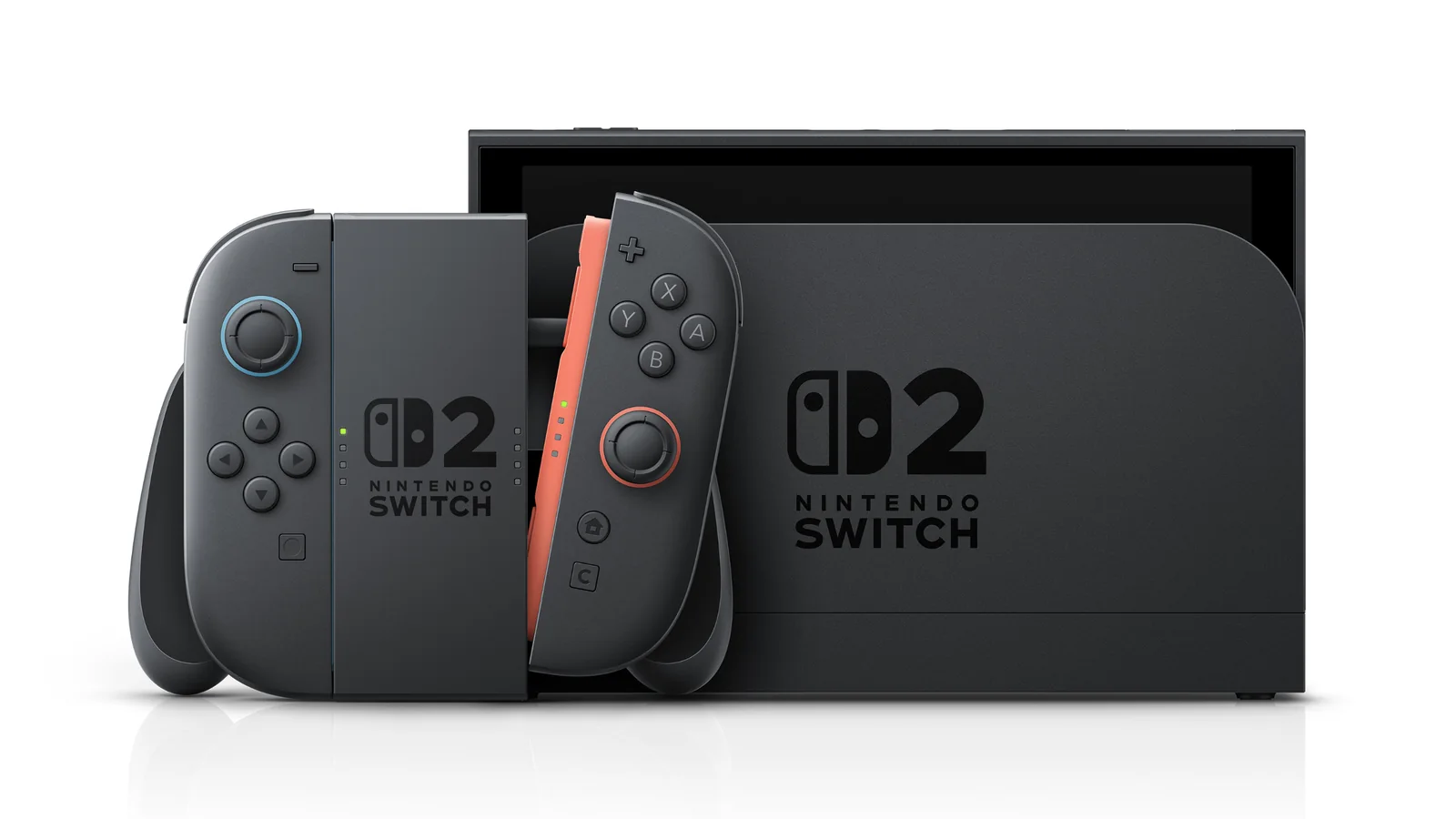
Nintendo Switch 2 has sold 26.35 million units worldwide as of September 30, 2026, according to Nintendo’s latest financial results released on November 5. The console sold an additional 2.67 million units during the July–September quarter, while lifetime sales of the original Nintendo Switch reached 157.20 million units.
The updated figures provide a clearer picture of Nintendo’s hardware business more than a year after the Switch 2 launched in June 2025. Although the newer console continues to expand its installed base, hardware sales have slowed compared with its initial launch period.
During the three months ending September 30, Nintendo sold 2.67 million Switch 2 consoles, down from 3.82 million in the preceding April–June quarter. The company also recorded 15.04 million Switch 2 software sales during the latest quarter, bringing lifetime software sales to 73.21 million units.
For the first six months of its fiscal year, covering April through September 2026, Nintendo sold 6.49 million Switch 2 consoles. That represents a 37.4% decline compared with the corresponding period in 2025, when the system launched.
However, the comparison includes the Switch 2’s initial launch demand during June 2025. The year-on-year decline therefore does not establish that the console is performing worse than its predecessor at a comparable stage of its lifecycle.
Nintendo’s financial results also highlight the importance of software sales to the platform’s continued growth. Switch 2 software sales reached 24.49 million units during the six-month period, supported by established releases and newly launched first-party games.
Mario Kart World remains the console’s best-selling first-party title, reaching 16.48 million copies worldwide. Donkey Kong Bananza follows with 5.05 million, while Pokémon Legends: Z-A – Nintendo Switch 2 Edition and Pokémon Pokopia have each reached 4.04 million copies.
Several newer releases also contributed to the software lineup. Splatoon Raiders sold 2.42 million copies following its July release, while Fire Emblem: Fortune’s Weave reached 1.34 million after launching in September. Star Fox, released in June, has sold 1.17 million copies.
The original Nintendo Switch remains commercially active despite approaching its tenth anniversary. Nintendo sold another 610,000 original Switch consoles during the July–September quarter, alongside 31.92 million software units.
Lifetime hardware sales of 157.20 million units place the original Switch ahead of the Nintendo DS, which sold 154.02 million units. The older console has also accumulated approximately 1.59 billion software sales worldwide, reflecting the size of its established game library.
Nintendo noted that Switch software remains playable on Switch 2, helping maintain demand for existing titles. The company recorded 65.73 million original Switch software sales during the first half of its fiscal year.
The latest results also arrive as Nintendo addresses hardware manufacturing costs and future console pricing. The company has indicated that another Switch 2 price increase is not currently planned, although that position depends on prevailing market conditions.
Nintendo has maintained its forecast of 16.5 million Switch 2 hardware sales for the fiscal year ending March 2027. With 6.49 million units sold during the first six months, the company would need to sell approximately 10.01 million more consoles during the remaining half of the fiscal year to reach that target.
The company plans to support continued hardware adoption through additional first-party releases and third-party software. Its expanding lineup includes titles such as Petit Planet, which is scheduled for Switch 2 in 2027.
Nintendo’s latest financial disclosure also shows that operating profit increased 49.1% year-on-year to 216.5 billion yen during the six months ending September 30, despite a 12.1% decline in overall revenue. The company attributed the profit improvement partly to stronger software contributions and a refund of previously recorded US tariffs.
The figures underline Nintendo’s continuing transition toward Switch 2 while maintaining substantial software sales across its existing Switch ecosystem.
