


Pearl Abyss, the South Korean developer behind Crimson Desert and Black Desert, is expanding its use of artificial intelligence across its game development pipeline. The company confirmed that AI is being used to automate repetitive tasks, assist content creation and optimize testing, while maintaining that human developers remain responsible for the creative process.
The plans were detailed in Pearl Abyss’s third-quarter 2026 earnings letter, published on November 12. The statement comes months after the studio faced criticism for including AI-generated artwork in the March release of Crimson Desert, raising questions about how the technology will feature in its future games.
Pearl Abyss described AI as a productivity tool intended to improve development efficiency and overall game quality. Its implementation covers multiple stages of production, rather than being restricted to a single department or experimental project.
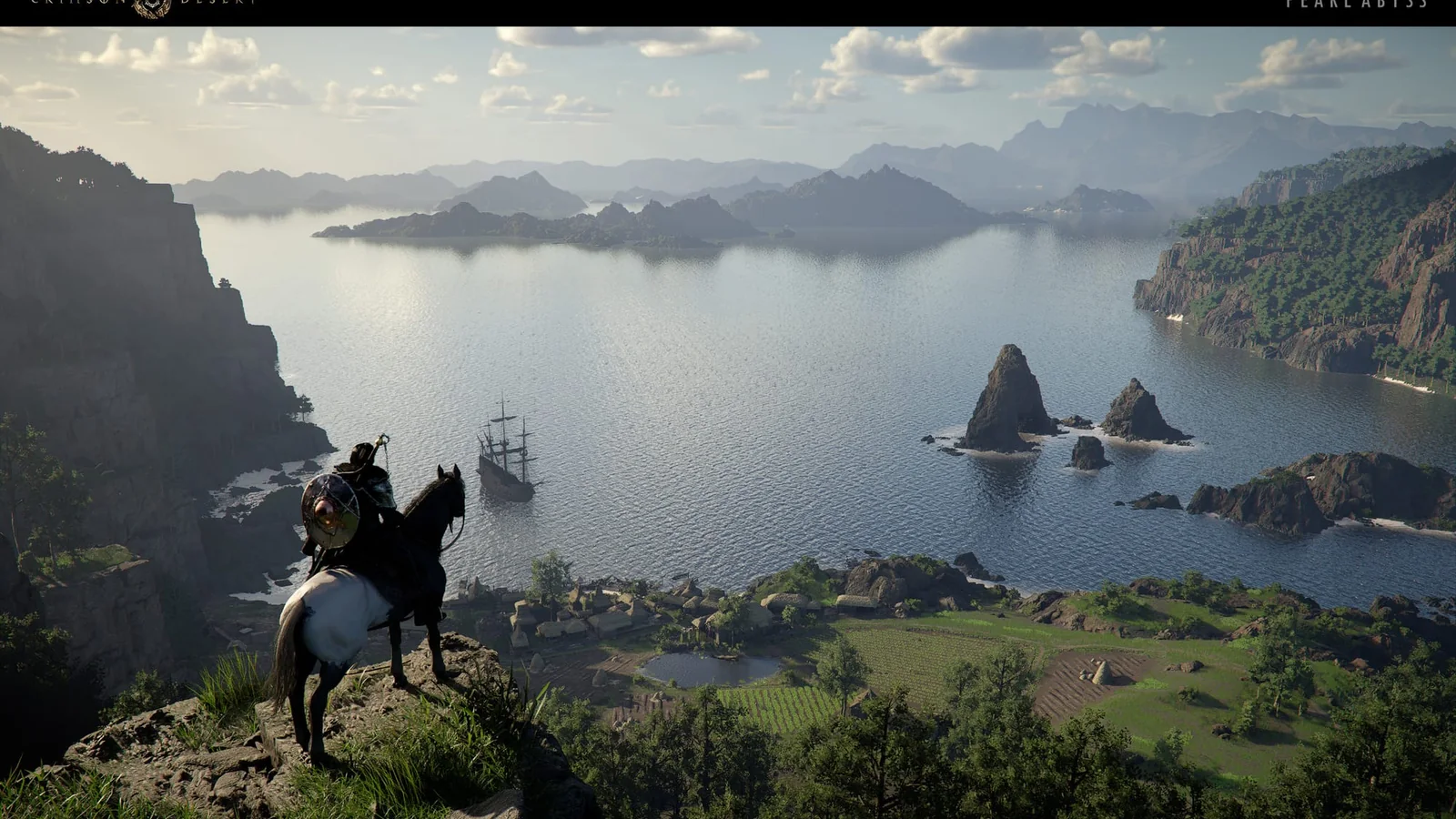
The company identified three principal applications: automating repetitive development work, supporting content production and making quality assurance testing more efficient. It also indicated that AI adoption would continue expanding throughout its development processes.
Importantly, Pearl Abyss stated that it does not regard AI as a replacement for human developers. Instead, the company intends to use the technology to reduce production overhead and accelerate development while retaining human involvement in game creation.
The announcement does not identify specific AI models, software providers or individual tools being deployed. It also provides no measurable data showing how much development time the technology has saved or whether AI-assisted testing has improved defect detection.
One concrete example involves DokeV, Pearl Abyss’s upcoming open-world action-adventure game. The developer explained that its teams previously needed to implement game systems manually before evaluating whether particular design concepts would work.
With AI assistance, developers can now test and evaluate multiple design concepts before committing resources to their full implementation. Pearl Abyss believes this approach can help teams identify promising ideas earlier and allocate development resources more efficiently.
The studio specifically distinguished this type of AI-assisted concept validation from the creation of finished game content. For DokeV, it said the core gameplay experience and actual content production remain under the control of its development team.
DokeV is currently targeting a release in the second half of 2028, with another development update planned before the end of 2026. Pearl Abyss is also preparing more extensive promotional activities, potentially including playable demonstrations, for the second half of 2027.
The company’s expanded AI strategy is particularly significant given the controversy surrounding Crimson Desert earlier this year.
Following the game’s March 2026 launch, players discovered several in-game paintings and other visual assets that appeared to have been created using generative AI. Pearl Abyss subsequently acknowledged that experimental AI tools had been used to produce some two-dimensional props during early development.
According to the developer, those images were intended to serve as temporary assets while the art team established the game’s visual direction. However, some remained in the finished release rather than being replaced with final artwork.
Pearl Abyss apologized for the oversight and acknowledged that it should have been more transparent about its use of AI. The company subsequently replaced affected visual assets through a March update.
That incident highlighted a distinction between using AI internally to assist development and including AI-generated material in a commercially released game. Although Pearl Abyss now intends to expand AI integration, its latest earnings commentary does not establish a new policy allowing AI-generated artwork to appear in finished products.
The company’s statement also does not confirm that future Crimson Desert content will contain AI-generated characters, environments, dialogue or other finished assets.
Crimson Desert has continued receiving post-launch support, including the Crimson Desert Enhanced edition, while Pearl Abyss shifts additional development resources toward DokeV and its other upcoming projects.
The announcement also arrives as generative AI becomes increasingly common across the games industry. A 2026 GDC industry survey found that 40% of surveyed game industry professionals use generative AI professionally, although 55% believe the technology negatively affects the industry.
For Pearl Abyss, the stated objective is faster production and improved quality rather than replacing its development workforce. Whether the expanded use of AI produces measurable improvements in future games remains to be demonstrated, particularly as the studio continues addressing concerns about AI-generated content and transparency.
