


Samsung is reportedly preparing to significantly expand production of its ninth-generation V-NAND flash memory at its Xi’an manufacturing facility in China, targeting a monthly capacity of 50,000 to 60,000 V9 NAND wafers by November 2027.
According to original reporting from Seoul Economic Daily, citing industry sources, Samsung plans to install a new production line at its Xi’an X2 facility capable of processing 20,000 additional wafers per month. The company also intends to convert part of its existing sixth-generation NAND production capacity to the newer V9 manufacturing process.
Manufacturing equipment is expected to arrive in February 2027, with the expansion and production line conversions scheduled for completion in November. The proposed V9 capacity would represent a fivefold to sixfold increase from the currently reported level of approximately 10,000 wafers per month.
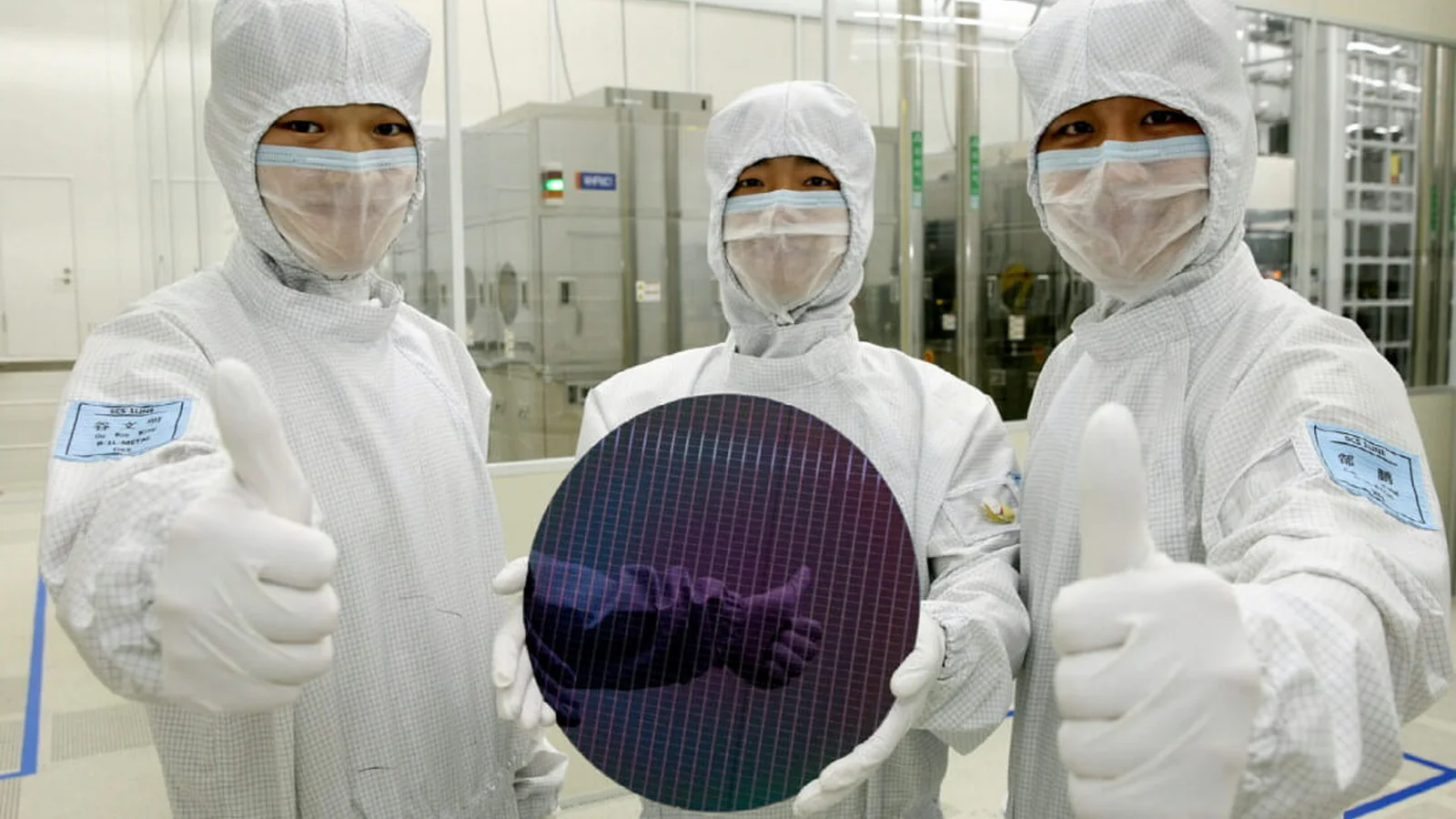
The revised target exceeds figures reported by Reuters in October, which indicated that Samsung was aiming for a monthly capacity of 40,000 V9 NAND wafers by December 2027. Samsung has not officially confirmed the latest expansion figures.
Samsung began mass production of ninth-generation V-NAND in April 2024. The company stated that its V9 triple-level cell (TLC) technology offers approximately 50% higher bit density than its eighth-generation equivalent, allowing more storage capacity to be manufactured within the same silicon area.
Although the Xi’an expansion primarily targets enterprise SSDs used in AI data centers, increased NAND manufacturing capacity could help alleviate supply constraints across the broader storage market.
The development also comes amid forecasts of declining NAND flash prices in 2027. Market research firm TrendForce expects overall NAND contract prices to fall by up to 5% in the first quarter of 2027, followed by broader price declines across product categories in the second quarter. Reduced enterprise SSD orders from Chinese cloud providers and expanding manufacturing capacity are contributing to the projected shift.
For PC builders and gamers, improved NAND availability could eventually translate into lower prices for consumer NVMe SSDs. However, Samsung’s reported expansion does not guarantee immediate retail price reductions, particularly given its enterprise-focused production strategy and late-2027 completion target.
