


A hardware enthusiast is using AI-assisted BIOS modifications to investigate whether Intel’s locked non-K processors can regain overclocking capabilities through ASRock’s discontinued SkyOC technology. The experiment, detailed in a November 16, 2026, social media post, reportedly involved reverse-engineering older motherboard firmware to identify and recreate the original overclocking workaround.
The enthusiast, operating under the name Hardware 360º, claims to have used an AI tool described as GPT Astra to decompile and compare two versions of an ASRock BIOS. One firmware version supported SkyOC, while the other was released after the feature had been disabled. By examining the differences, the AI reportedly helped identify the code responsible for the workaround and modify BIOS firmware for a potential implementation.
However, the modified firmware has not been demonstrated successfully restoring non-K overclocking on a modern Intel platform. No verified stability tests, benchmark results or successful overclocking demonstrations have been provided.
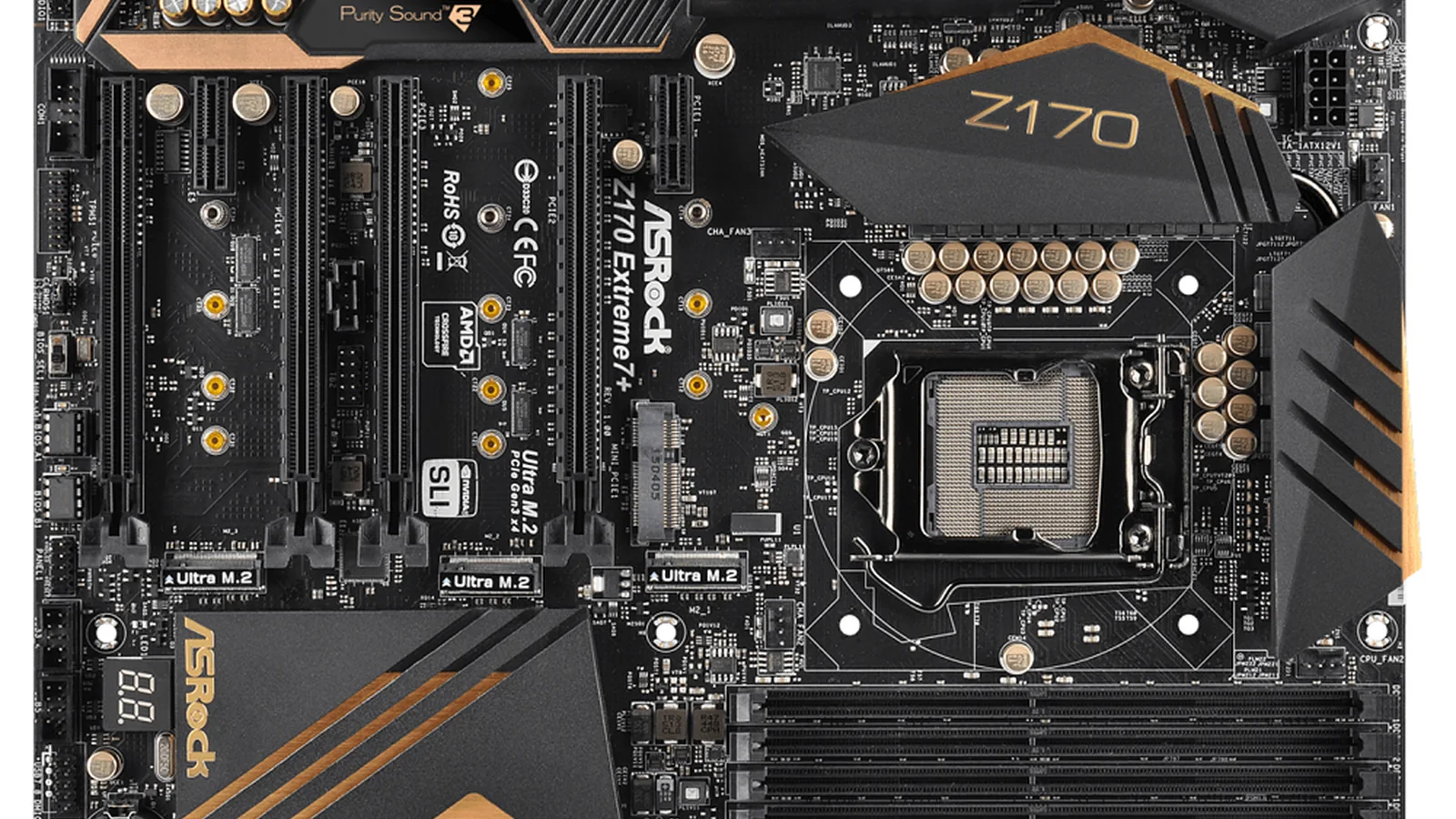
ASRock originally introduced SkyOC during the Intel Skylake era, allowing certain locked processors to exceed their stock clock speeds through base-clock adjustments. Unlike Intel’s unlocked K-series CPUs, which support multiplier-based overclocking, non-K processors have locked multipliers that ordinarily limit conventional frequency adjustments.
Base-clock overclocking offers an alternative approach. The base clock, commonly called BCLK, typically operates at approximately 100 MHz and combines with the processor’s multiplier to determine operating frequency. Increasing BCLK can therefore raise CPU clock speeds without changing the locked multiplier.
The approach comes with limitations. On platforms without independent clock generators, changing BCLK can also affect memory and other system components, potentially introducing instability. Certain enthusiast motherboards incorporated separate clock generators to provide greater control over CPU frequencies.
SkyOC exploited this flexibility before Intel introduced restrictions that led ASRock to discontinue the feature through BIOS updates. Intel also implemented microcode changes designed to prevent unsupported overclocking on locked processors.
Hardware 360º claims that one of Intel’s protections involves detecting base-clock frequencies exceeding approximately 103 MHz and triggering a shutdown. The enthusiast suggests SkyOC previously bypassed this restriction by presenting the processor with a misleading BCLK reading. That explanation remains the developer’s account rather than an independently verified description of the original firmware mechanism.
The latest experiment attempts to reproduce the historical workaround using AI-assisted firmware analysis. Even if the relevant SkyOC code has been correctly identified, adapting it to newer Intel platforms presents additional challenges involving processor microcode, firmware architecture and clock-management protections.
The development is particularly relevant to enthusiasts following Intel motherboard overclocking capabilities, including the potential for more affordable overclocking options on upcoming ASRock Z970 motherboards.
For now, the project remains an experimental BIOS modification rather than a confirmed method for unlocking additional performance. Flashing unofficial firmware carries substantial risks, including boot failures and potentially rendering a motherboard unusable.
Until Hardware 360º demonstrates a successful boot, stable operating frequencies and measurable performance improvements, there is no evidence that the modified BIOS can reliably bypass Intel’s restrictions on modern non-K processors.
