


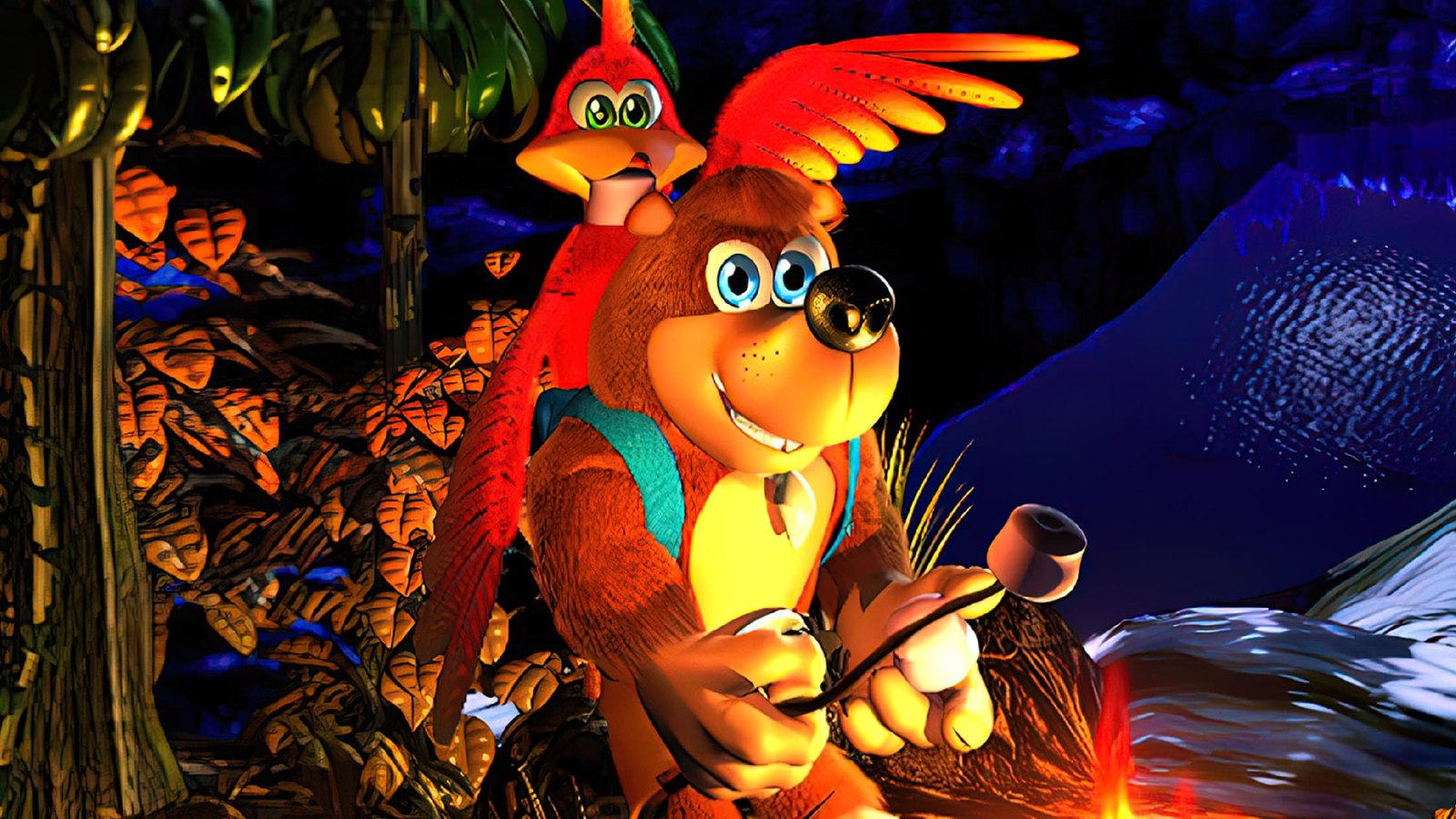
Developers behind prominent fan-made Nintendo 64 PC ports have criticized a newly released Banjo-Tooie recompilation that used generative AI extensively during development. Dario, a developer associated with N64: Recompiled and Banjo: Recompiled, distanced those projects from the new port and argued that using existing community research to rapidly produce an AI-assisted release amounts to a “race to the bottom.” The dispute centers not only on generative AI itself, but also on code quality, maintainability and how the new project builds on years of work by other reverse-engineering developers.
The new Banjo-Tooie: Recompiled project is hosted separately on GitHub and uses N64Recomp to translate the original Nintendo 64 game’s MIPS code into a native PC application, with RT64 handling rendering. Its current documentation describes the project as playable from beginning to end on Windows and includes support for widescreen, high refresh rates and an in-game settings menu. Earlier project documentation acknowledged that AI tools had generated substantial portions of its code and assisted with engineering and review, while the developer has also openly discussed using AI during the project.
That approach clashes directly with the policies of the established Banjo: Recompiled team. The Banjo-Kazooie project’s GitHub repository states that its developers have not used generative AI and will not use it, while contributions made with generative AI tooling are prohibited. Dario also stressed that the team had already expressed interest in eventually producing its own Banjo-Tooie port and said the game would require significant time and care to handle properly.
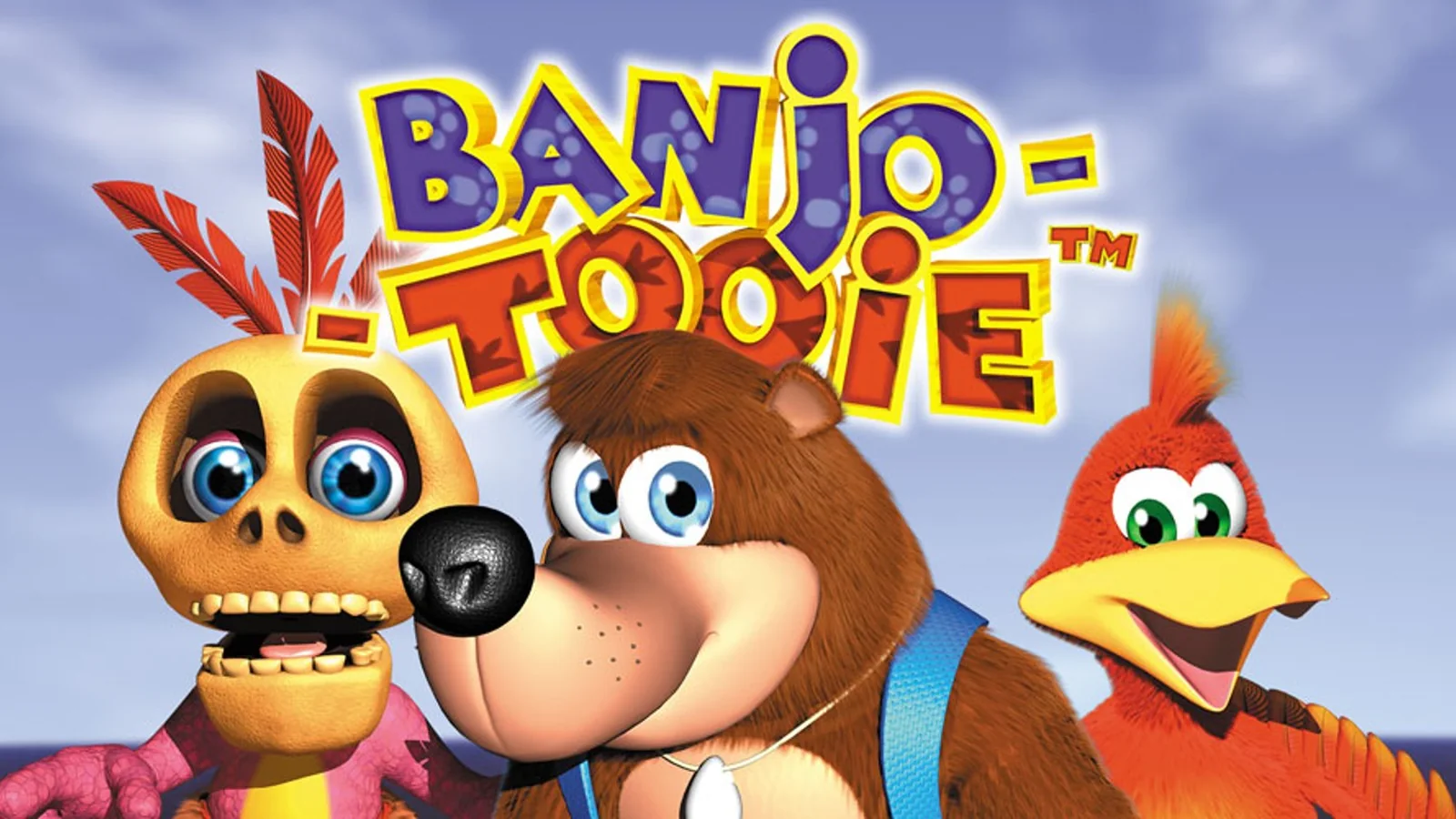
“We’re not interested in engaging a race to the bottom,” Dario said while discussing the competing project, adding that the team intends to take the time needed for a polished release. He argued that applying generative AI to frameworks, rendering technology and game research created through extensive human effort was “disrespectful.” Another developer, Reonu_, similarly objected to an AI-assisted project being rushed out using tooling and decompilation work developed by the wider community.
The criticism extends beyond whether AI-generated code functions at launch. Developers have raised concerns that heavily generated recompilation projects may be more difficult to maintain as the underlying tools change, particularly when projects alter generated code or depend on internal behavior that upstream developers may later revise. Dario has specifically argued that the Banjo-Tooie project takes an approach to patching and RT64 integration that could become difficult to maintain as those systems evolve.
The disagreement reflects a wider debate within fan game development over how generative AI should be used. Some developers treat AI as a productivity tool, while others prohibit it entirely because of concerns around code quality, authorship and maintainability. Similar divisions have appeared elsewhere in game development, including developers drawing boundaries around AI-assisted creative work and controversy over generative AI use in game production and promotion.
Fan-led preservation and porting projects also depend heavily on shared reverse-engineering work, making attribution and reuse particularly sensitive. Projects such as community efforts to restore or preserve unavailable games often build on technical work contributed over long periods by volunteers. In the recompilation scene, that makes the debate about AI inseparable from questions over who created the underlying tools and how derivative projects should treat that work.
The current Banjo-Tooie: Recompiled repository remains publicly available and describes the port as functional, while the Banjo: Recompiled developers are not involved with it. Their criticism does not dispute that the project can run the game; instead, it focuses on how the port was produced and whether an AI-heavy development process can deliver the same long-term quality and maintainability as a manually engineered project. The result is a public split within a community that has otherwise helped make native PC ports of classic Nintendo 64 games increasingly practical.
