


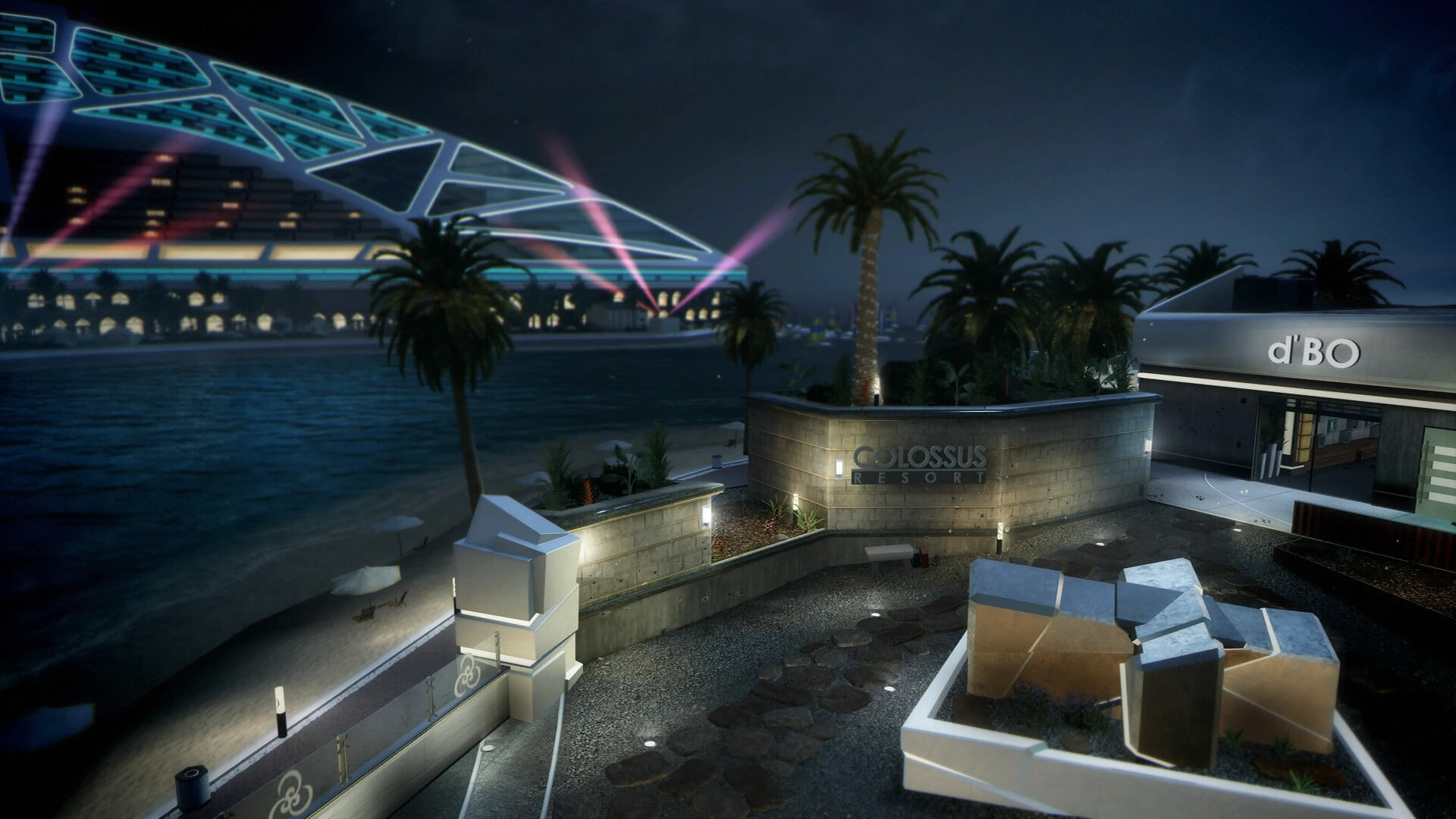
Call of Duty: Black Ops 2 multiplayer on PS5 and PS4 has now been fully migrated to dedicated servers, replacing the peer-to-peer hosting system previously used by the new PlayStation ports. Activision confirmed the change through the official Call of Duty Updates account on September 10, saying dedicated servers had been rolling out over the previous several days. With the latest update, the company says 100% of multiplayer matches are now running on dedicated infrastructure.
The change should make multiplayer sessions less dependent on the connection quality of whichever player happens to be selected as host. Activision says the move is intended to improve both match stability and security, two areas that had attracted attention since Black Ops 2 returned to PlayStation earlier this year. Under the previous setup, public matches relied on player hosts, meaning connection quality and host migration could directly affect a lobby.
Activision had already been making adjustments to that system before deciding to migrate multiplayer completely. A July update changed public matches so that they prioritized PS5 users as hosts and no longer fell back to PS4 hosts, while also adding protections against methods used to interfere with host migration. Those changes still operated within a host-based multiplayer structure, making the new dedicated-server rollout a much larger infrastructure change.
The September update also includes several additional fixes for the PlayStation version of Black Ops 2. Activision says support for joining friends has been improved, while problems involving Custom Emblems, the user interface and the multiplayer heatmap globe have also been addressed. The dedicated-server migration remains the most significant part of the update because it changes how every standard multiplayer match is hosted rather than simply correcting an individual bug.
Black Ops 2 returned on PS4 and PS5 in July 2026 alongside the original Call of Duty: Black Ops, bringing the older Treyarch titles natively to newer PlayStation hardware. The releases preserve the core games rather than functioning as full remasters, although Activision and its development partners have continued patching technical and online issues since launch. Interest in the older multiplayer remains significant enough that elements of Black Ops 2 continue appearing throughout the modern series, including Treyarch’s recent tease of the return of the Plaza map in Black Ops 7.
The multiplayer hosting situation had been one of the more notable differences between the ports and what some players expected from a modern rerelease. Earlier updates attempted to improve the peer-hosted experience by favoring PS5 hosts and tightening host-migration protections, but those measures could not remove the underlying reliance on another player’s connection. Dedicated servers instead place match hosting on infrastructure controlled by the service, reducing the impact caused when an individual player’s connection fluctuates or a host leaves.
Security is another important part of Activision’s reasoning for the change. Older Call of Duty games have historically dealt with problems involving modified lobbies, exploits and other forms of multiplayer interference as their original infrastructure aged. Activision has already issued multiple updates for the PlayStation rereleases addressing progression exploits, account-related problems and multiplayer protections, so shifting Black Ops 2 entirely away from player-hosted matches gives the company greater control over how online games are handled.
The dedicated-server rollout currently applies specifically to the PS4 and PS5 versions described in Activision’s announcement. The company has not indicated that the update changes networking for older versions of Black Ops 2 on other platforms. For players using the new PlayStation ports, however, the September 10 update marks a substantial change to the multiplayer foundation, with every public match now operating through dedicated servers rather than relying on peer-to-peer hosting.
