


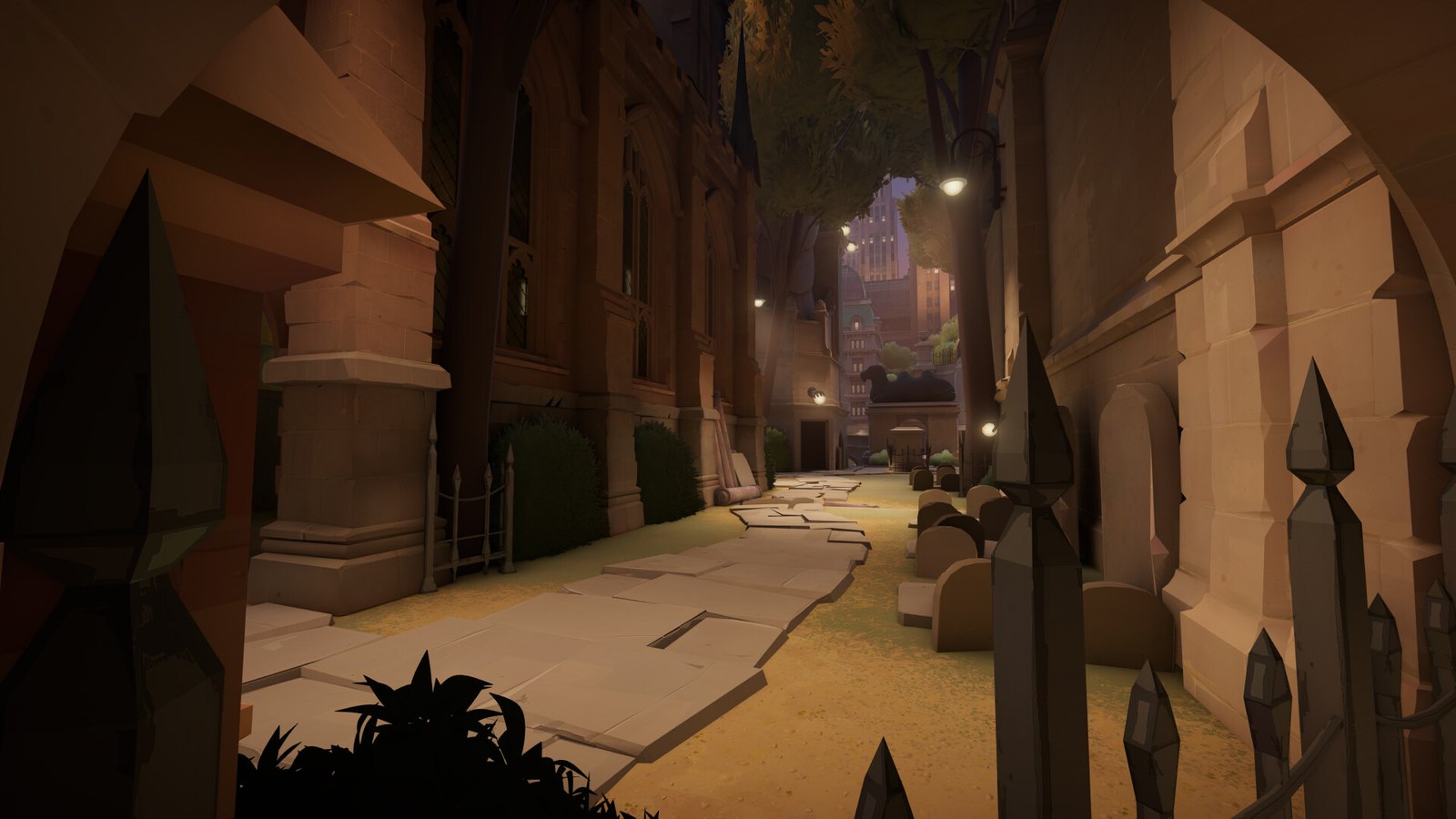
Valve appears to be working on minigames for Deadlock’s Hideout, according to a new discovery from Valve-focused dataminer Gabe Follower. The latest findings suggest the studio is experimenting with additional activities players could use inside the pre-match social space. Gabe Follower also points back to previously discovered unused assets for a bar area containing a billiard table, potentially indicating at least one direction Valve has explored.
The findings remain datamined development material rather than an announced feature. Valve has not confirmed a billiards minigame, explained how any Hideout activities would work, or given a release window for them. Deadlock is still officially described as being in early development, with Valve warning that temporary art and experimental gameplay remain throughout the project, so unreleased assets can change or disappear entirely before reaching players.
The Hideout itself is already an established part of Deadlock. Valve introduced it in August 2025 as a personal pre-match space replacing the previous Dashboard UI, allowing players to invite friends, access matchmaking and other game functions through terminals, and use a built-in practice range while waiting for matches. At the time, Valve specifically said the space was intended to create future opportunities for personalization, achievements and events.
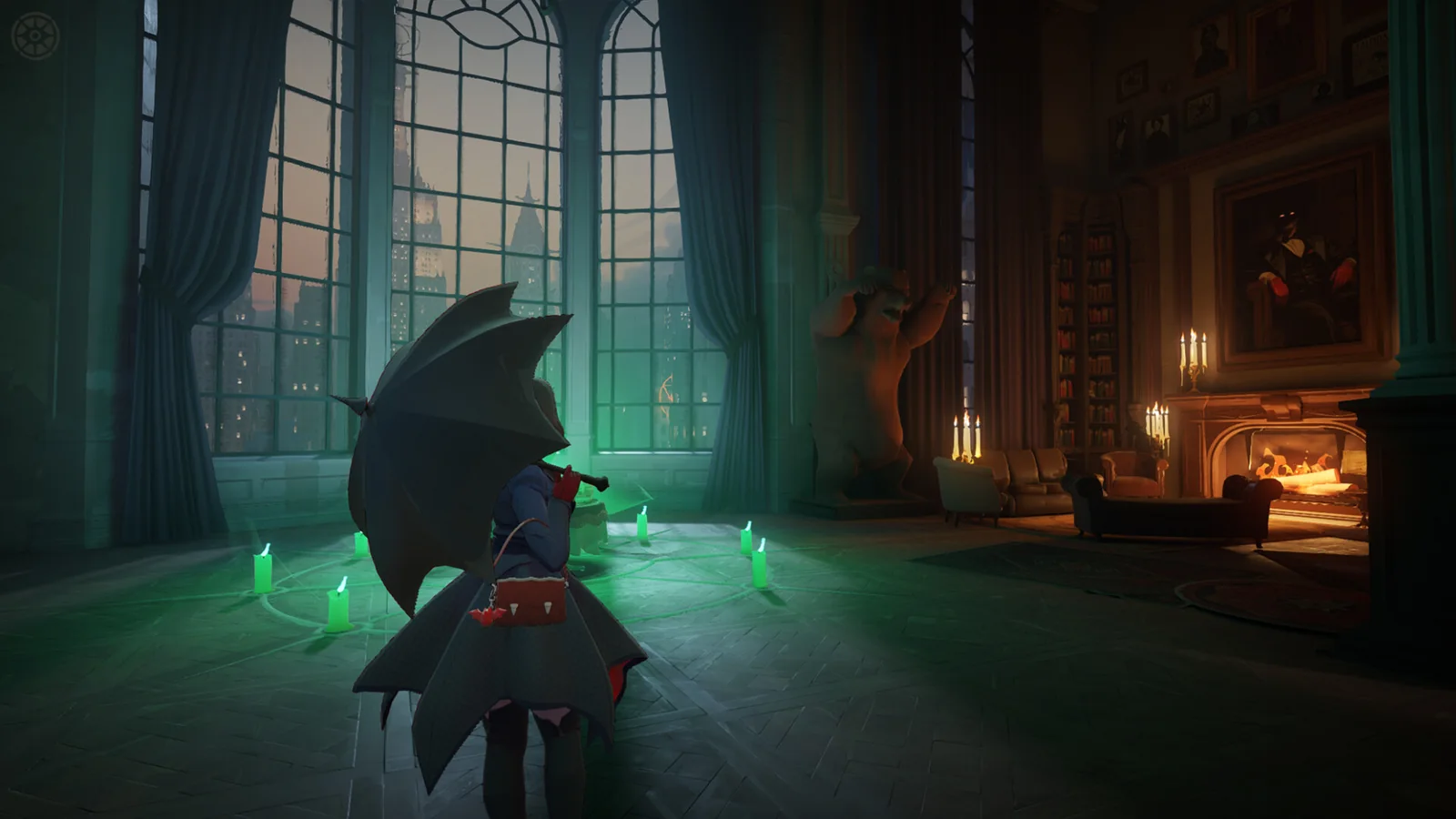
Since then, the Hideout has increasingly looked less like a decorative menu and more like a persistent social hub. Players can move around freely, test abilities and interact with parts of the environment rather than simply navigating conventional menus. Adding optional minigames would fit that design by giving parties something to do while matchmaking or between games without having to leave the shared space.
There is also some thematic support for billiards within Deadlock’s world. Jezebel’s Billiard Hall already exists in the game’s lore as a bar associated with Infernus, giving Valve an established setting and visual identity it could draw from if a pool-related activity eventually appears. That connection does not prove that the unused billiard-table assets are destined to become a functional game, but it makes the concept consistent with the world Valve has already built.
The discovery arrives alongside other signs that Valve is expanding the Hideout beyond its current functionality. A separate datamine recently pointed to placeable Hideout decorations including small objects and posters, while Valve has publicly acknowledged that hero and Hideout customization are areas under active development. Together, those findings suggest the space may eventually support considerably more personalization and interaction than it does today.
Community interest in more Hideout activities has existed for some time as well. Players have repeatedly suggested queue-time diversions such as billiards, cards, arcade-style activities and other small multiplayer games, although community requests are not evidence that Valve intends to implement any specific one. The newly discovered references are more notable because they come from game data rather than player wishlists.
Valve’s broader development of Deadlock has continued rapidly through major updates and external production support. Studios including Roarty Digital have contributed to Deadlock and its City Never Sleeps update, while Valve continues to rework environments, progression and presentation ahead of the game’s eventual full release. The Hideout provides an obvious place for those non-combat systems to converge without changing Deadlock’s competitive matches.
For now, Hideout minigames should be treated as an unreleased feature under development rather than something guaranteed for a future patch. The strongest current indication is that Valve has code or assets connected to minigame functionality, while earlier unused material includes a bar area with a billiard table. Whether that eventually becomes playable pool, another type of activity, or something Valve abandons during development remains unknown.
