


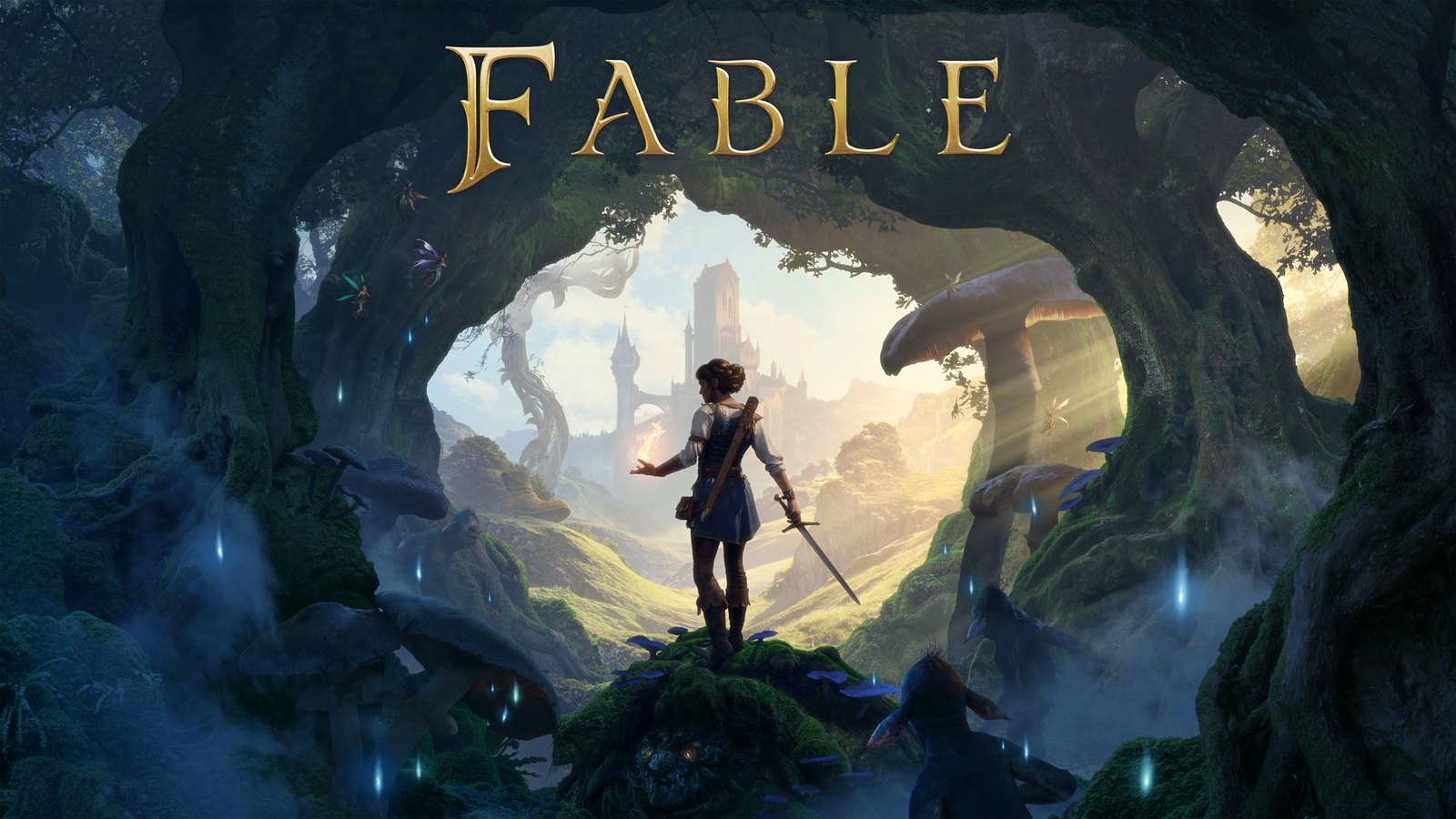
Fable director Ralph Fulton says the long-running RPG project has been protected through years of upheaval at Microsoft because Xbox considers the franchise an important part of its identity. Speaking to The Guardian in a new interview, Fulton said support for Fable inside Xbox helped Playground Games sustain an unusually long development cycle despite major changes across the industry and Microsoft’s gaming division.
According to Fulton, many people within Xbox regard Fable as “vital to the DNA of the platform.” He argued that the series also occupies an important place in gaming more broadly because of the unusual combination of humor, morality, fantasy and player-driven life systems that defined the original games. That internal belief in the franchise, he said, helped protect Playground’s project while it spent years rebuilding Fable for a new generation.
The current Fable project traces back to the period immediately after Lionhead Studios closed in 2016. Playground Games signed the deal to take on the franchise in 2017 and then had to build an RPG development team largely from scratch alongside its established Forza Horizon operation. Fulton told The Guardian that recruiting and assembling that team was one of the hardest parts of the project, particularly because many developers relocated specifically to work on Fable.
Its development has since stretched across the COVID-19 pandemic, major changes to Microsoft’s gaming strategy and repeated restructuring across Xbox. Microsoft has cut thousands of gaming jobs in recent years, including staff working on some of its best-known franchises, with former Bethesda employees describing how work on major series such as Fallout and The Elder Scrolls did not shield roles from layoffs. Against that backdrop, Fable continuing through such a lengthy production cycle is notable.
Fulton’s comments do not suggest the project was literally exempt from every internal change, but they do provide a clearer explanation for why Microsoft continued backing it for so long. Playground had never previously shipped a large narrative action RPG, and the new Fable required the studio to expand beyond the open-world racing expertise that established its reputation. Fulton said taking on the franchise also became an opportunity for Playground to prove it could succeed in a different genre.
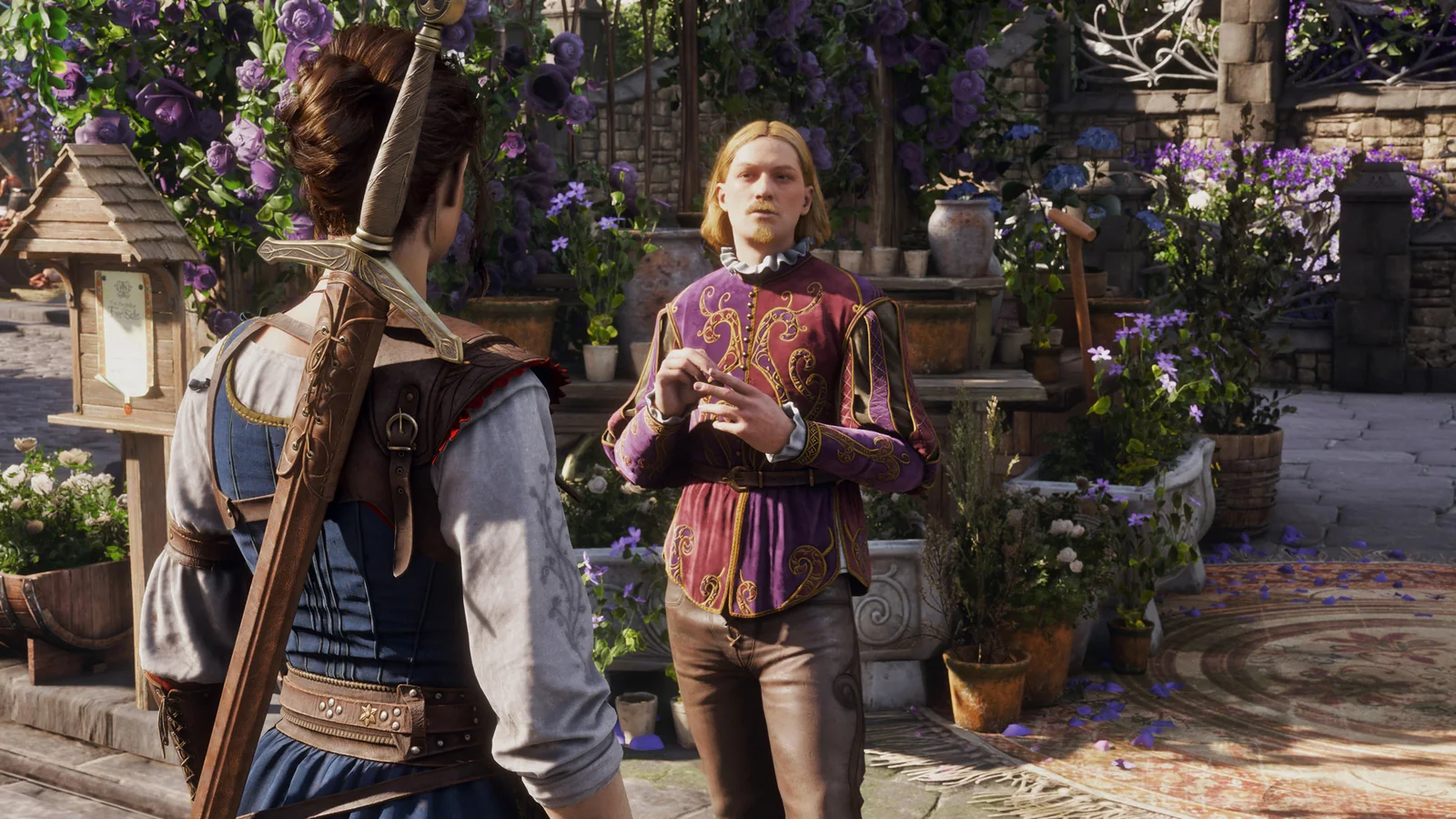
The game is positioned as a new beginning rather than a direct continuation of Lionhead’s original trilogy. Playground is retaining core elements associated with Fable, including Albion, morality, British humor and a reactive population, while giving itself freedom from the exact chronology and characters of the earlier games. The studio has built a “Living Population” system in which more than 1,000 individual NPCs can form opinions about the player based on reputation and choices.
Recent gameplay has also shown Playground’s approach to combat, quests and exploration. Players can combine melee weapons, ranged attacks and magic through what the studio calls style-weaving combat, while Bowerstone and other areas are designed around unusually high levels of interaction. Playground has said players can enter every building in Bowerstone and buy every house, reinforcing the life-simulation side of Fable alongside its main story.
Fulton also told The Guardian that Playground has invested heavily in the ending rather than treating the final hours as less important because fewer players statistically complete games. He said the conclusion will culminate in a choice with a personal cost, continuing the franchise’s emphasis on decisions and consequences. The main quest is otherwise designed to avoid creating constant urgency, allowing players to spend time exploring Albion and engaging with its wider systems.
Fable is currently scheduled to launch on February 23, 2027 for Xbox Series X|S, PC and PlayStation 5, with Xbox Cloud Gaming support and inclusion in Game Pass. Premium Edition buyers will receive early access beginning February 18. Microsoft confirmed the date during the Xbox Games Showcase in June after the game spent years without a firm launch date.
After nearly a decade of development, Fulton’s comments frame that longevity as more than simply the result of production complexity. Playground’s Fable has continued through repeated changes inside Xbox because the company still sees the franchise as closely tied to what the platform represents, giving the studio time to complete one of Microsoft’s longest-running current projects.
