


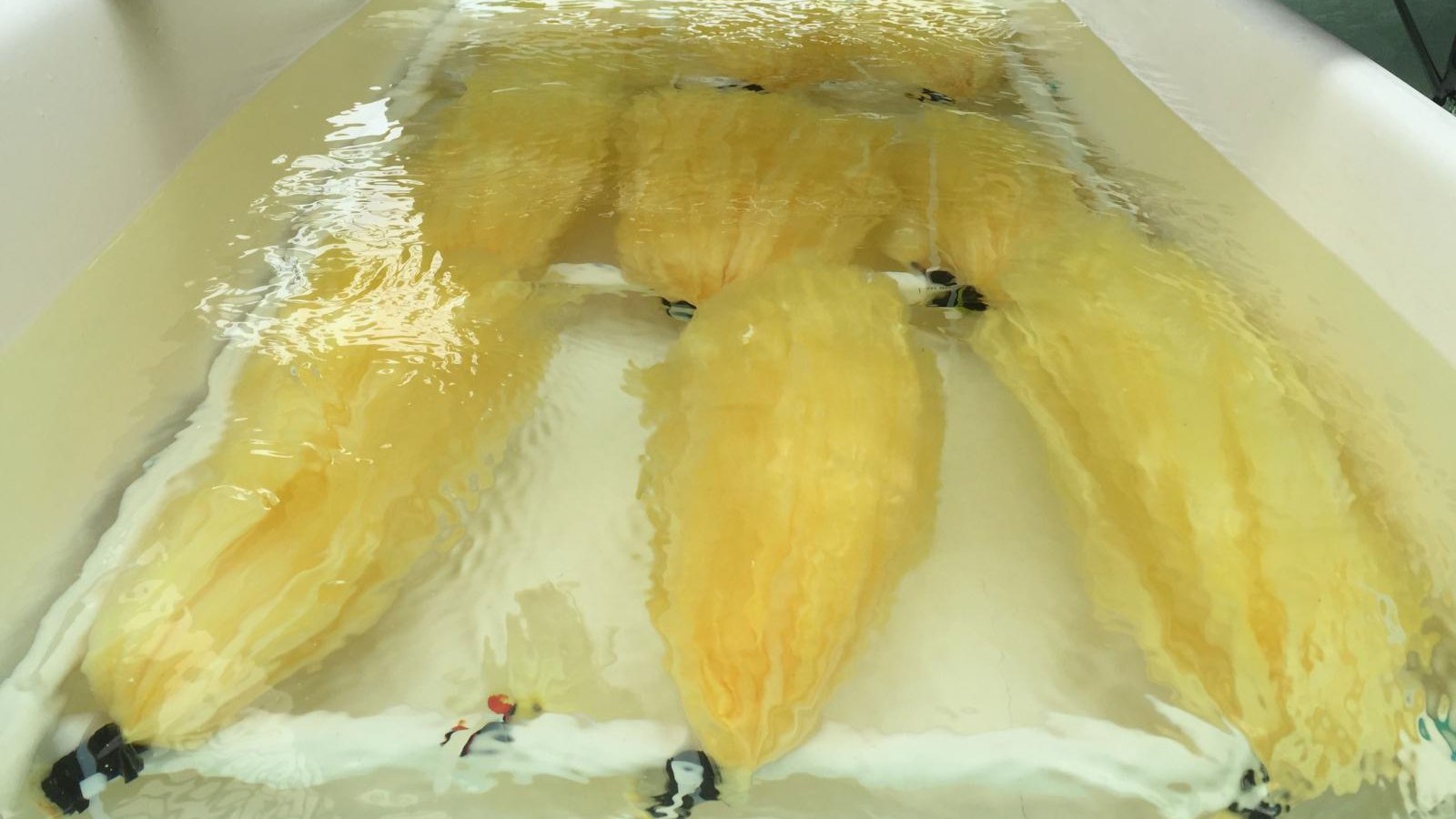
Clean-tech startup Fluxnium has emerged from stealth with a plan to extract uranium directly from seawater using reusable polymer fibers, potentially opening access to a vastly larger fuel resource than conventional mines. The company told TechCrunch that oceans contain more than 4 billion metric tons of dissolved uranium, enough to supply current nuclear demand for tens of thousands of years if it could be recovered economically. Fluxnium has also closed a $7 million seed round led by Congruent Ventures, with participation from Active Impact Investments and Constellation Energy.
The basic chemistry behind the system is not new. Fluxnium is building on uranium-adsorption technology developed at U.S. Department of Energy national laboratories, where researchers have spent years refining amidoxime-based polymer fibers that selectively bind uranium dissolved in seawater. Oak Ridge National Laboratory has previously demonstrated that increasing the surface area of polyethylene fibers can substantially improve uranium uptake, while marine tests have shown the materials can recover uranium from natural seawater.
Fluxnium’s contribution is focused on pushing that laboratory technology toward commercial economics. Founder and CEO Jeff Green told TechCrunch that earlier national-lab demonstrations produced uranium at a cost above $200 per pound, which was too expensive to compete with conventional suppliers. By increasing the fibers’ surface area and improving their production and configuration, the startup says it has been able to lower the amount of material and deployment cost required per unit of uranium recovered.
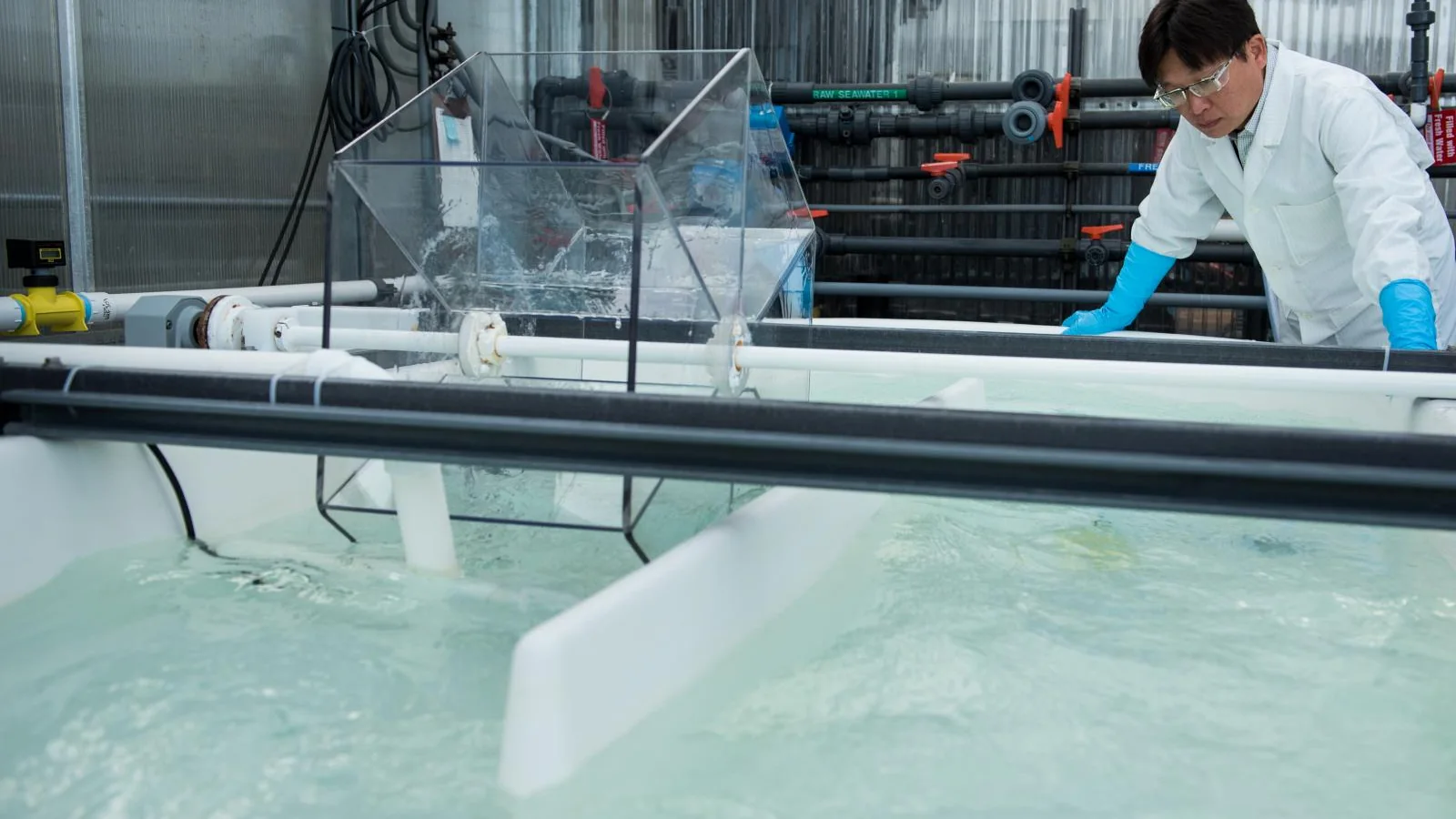
The proposed system would use long braided lengths of the adsorbent material suspended from offshore buoys in a setup Green compared to seaweed farming. The fibers would remain in seawater for roughly 30 to 60 days, allowing dissolved uranium to accumulate on the material before the lines are brought back to shore. The uranium would then be removed from the fibers, purified into yellowcake and sold into the existing nuclear-fuel supply chain, while the adsorbent lines could be reused for additional cycles.
That approach avoids digging and processing uranium-bearing rock, although it introduces a different set of engineering challenges around offshore deployment, fiber durability, recovery logistics and large-scale manufacturing. Fluxnium says the extraction step does not create the toxic mine tailings associated with conventional uranium mining. The company has not yet published independently verified commercial-scale cost figures showing that the complete offshore process can consistently compete with terrestrial mines.
The attraction is the sheer size of the resource. Uranium is present in seawater at only around 3.3 parts per billion, making it extremely dilute, but the enormous volume of the oceans means the total dissolved inventory is estimated at roughly 4 billion to 5 billion metric tons. Oak Ridge researchers have described that resource as potentially significant for long-term nuclear energy, while also emphasizing that land-based mining has historically remained cheaper.
Fluxnium is entering the market as uranium supply has become a more prominent concern for the nuclear industry. TechCrunch reports that yellowcake prices have risen about 75% over the last five years, while Green argues that Western buyers remain exposed to geopolitical risk because a large share of global uranium production comes from countries including Kazakhstan, Uzbekistan, Russia, Namibia, Niger and China. Greater nuclear construction would put additional pressure on that supply chain if new sources do not come online.
The company’s funding also gives it a notable industry connection. Constellation Energy, which operates the largest nuclear fleet in the United States, participated in the seed round alongside Congruent Ventures and Active Impact Investments. Fluxnium is now expected to use the capital to continue lowering fiber-production costs and move from individual technology demonstrations toward larger marine deployments.
Green has experience commercializing materials-heavy climate technologies. He previously helped launch desalination company NanoH2O and carbon-removal developer 1PointFive, both of which involved taking laboratory-scale processes and building them into industrial systems. Fluxnium is following a similar strategy by licensing established chemistry and concentrating on manufacturing, deployment and cost reduction rather than claiming an entirely new uranium-capture reaction.
The company’s central challenge will be proving that the economics hold up outside controlled testing. Laboratory and field research has already established that amidoxime-based fibers can adsorb uranium from seawater, but doing so cheaply enough to compete with mines requires durable materials, high uptake rates, inexpensive offshore handling and efficient uranium recovery from the fibers. If Fluxnium can solve those engineering and cost problems at scale, seawater could become a supplementary uranium source rather than merely a theoretically enormous reserve.
