


Graphics card prices increased by an average of 11% in October 2026, pushing cumulative price increases to approximately 35% over three months. NVIDIA’s GeForce RTX 5090 experienced the most severe inflation, reaching a normalized global price of $7,240, or 262% above its $1,999 launch MSRP. In the United States, the cheapest available RTX 5090 climbed to $9,400.
The figures come from a November 2 pricing investigation by TechSpot’s Tim Schiesser, which examined NVIDIA GeForce, AMD Radeon and Intel Arc graphics cards across 10 countries. The research found that GPUs now cost an average of 44% more than their original suggested retail prices, with premiums reaching 58% in the United States and Canada.
The survey covers the United States, Australia, Germany, the United Kingdom, Canada, India, the Philippines, Brazil, Poland and the Netherlands. Rather than averaging every retailer listing, TechSpot recorded the lowest verified in-stock price for each GPU in each market. Consequently, premium models and other available listings may cost considerably more than the figures presented.
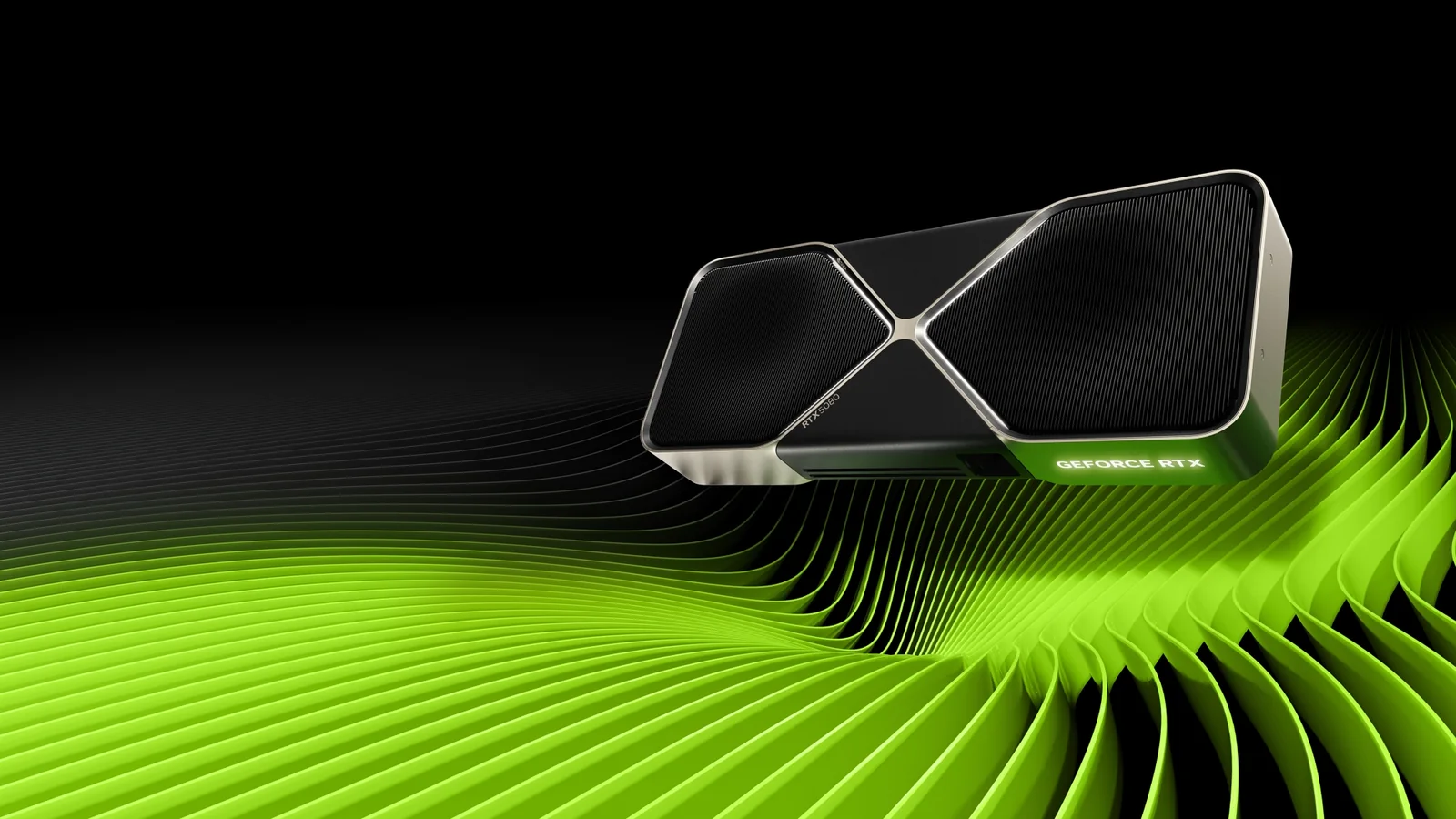
The latest findings quantify the retail impact of tightening RTX 50-series inventory, which has reportedly encouraged some distributors to consider older GeForce models as alternatives.
NVIDIA RTX 5090 Prices Reach $9,400 in the US
The GeForce RTX 5090 recorded an average monthly price increase of 32% across the surveyed countries. Its normalized global price of approximately $7,240 represents a 262% premium over NVIDIA’s $1,999 MSRP, meaning buyers face prices more than 3.6 times the original recommendation.
The situation is particularly severe in the United States, where the cheapest in-stock RTX 5090 increased from $6,890 in September to $9,400 in October. That represents a 36% monthly increase and places the graphics card 370% above MSRP.
Other regions experienced similarly significant increases. In Australia, the lowest available price reached A$12,000, compared with A$8,600 in September. German listings climbed from €5,640 to €8,000, while prices in the Netherlands reached €8,600.
The increases coincide with continuing uncertainty surrounding RTX 5090 availability. Although NVIDIA has denied discontinuing the RTX 5090 and says shipments are continuing, the company has acknowledged supply constraints.
The survey documents severe retail shortages and price inflation but does not establish that NVIDIA has officially ended production.
RTX 5080 Prices Climb to $2,200
The GeForce RTX 5080 is experiencing substantial increases of its own. TechSpot measured a 22% average monthly increase across the surveyed markets, while the cheapest US listing rose from $1,580 in September to $2,200 in October.
At that price, the RTX 5080 costs approximately 120% more than its $999 launch MSRP in the United States. Its average global premium stands at 77%.
Availability has also deteriorated at major retailers. TechSpot found that Newegg had no RTX 5080 inventory sold directly by the retailer during its data collection, leaving more expensive third-party marketplace listings.
The October results represent a further escalation from RTX 5080 retail prices approaching $2,000 as availability tightened.
TechSpot additionally cited information from retail industry sources indicating that RTX 5080 wholesale costs have increased significantly in recent weeks. Those claims suggest additional retail increases could follow, although the extent and timing remain uncertain.
Other GeForce models are also becoming more expensive. The RTX 5070 Ti reached a minimum US price of $1,250, compared with its $749 MSRP, while the RTX 5070 climbed to $900 against a $549 suggested price.
At the entry level, the RTX 5050 increased from $310 to $420 in the United States within a month. The RTX 5060 Ti 16GB reached $790, substantially exceeding its $429 launch price.
AMD Radeon and Intel Arc Prices Are Rising Too
The increases are not limited to NVIDIA. AMD’s Radeon RX 9060 XT 16GB experienced a 17% average monthly increase across the surveyed markets, bringing its global retail premium to approximately 58%.
In the United States, the RX 9060 XT 16GB reached $620, compared with its $349 MSRP. Its 8GB counterpart climbed to $500, approximately 67% above its $299 suggested price.
The Radeon RX 9070 and RX 9070 XT each increased by approximately 12% month over month globally. Their minimum US prices reached $700 and $870, respectively.
Despite those increases, AMD’s higher-end cards remain relatively less inflated than comparable GeForce products. The RX 9070 averaged 28% above MSRP globally, while the RX 9070 XT stood at 36%.
TechSpot’s comparison also found that the RX 9070 XT costs approximately the same as the RTX 5070 across the surveyed countries, despite offering 16GB of VRAM instead of 12GB. In the publication’s separate 52-game benchmark, the Radeon card delivered approximately 25% higher average gaming performance.
Intel’s Arc B580 has not escaped the increases either. Its average price rose approximately 10% in October, leaving the card 47% above MSRP globally. The cheapest US model reached $350 against its $249 launch price, although pricing varied significantly between regions.
Memory Costs and Supply Constraints Remain Major Concerns
Increasing graphics memory costs are one factor affecting GPU pricing, particularly as demand for memory continues across consumer hardware and AI infrastructure.
However, the survey suggests memory costs alone cannot explain the size of several recent price increases.
For example, the RTX 5080 uses 16GB of GDDR7 memory, yet its global retail premium has reached approximately $770 above MSRP. TechSpot argues that the increase is too large to attribute entirely to the cost of memory chips.
Supply limitations, wholesale pricing changes and demand for high-end GPUs may also be influencing retail prices, although the investigation does not establish the exact contribution of each factor.
Meanwhile, additional Radeon GPU price increases reportedly planned for November could put further pressure on gaming PC builders looking for alternatives to NVIDIA’s increasingly expensive lineup.
GPU Prices Have Increased 35% Since August
October’s 11% market-wide increase follows a 15% jump in August and a further 7% rise in September. Compounded, those changes amount to approximately 35% inflation over three months.
The increases have affected nearly every price category, from entry-level GPUs intended for budget gaming systems to flagship cards designed for high-resolution gaming.
Regional differences remain significant. TechSpot found average retail premiums of 58% above MSRP in the United States and Canada, while Australia, Brazil and the Philippines generally experienced smaller increases relative to their local launch prices.
For buyers comparing current-generation graphics cards, the findings indicate that AMD’s RX 9070 series remains relatively closer to launch pricing than much of NVIDIA’s lineup. However, even those Radeon models now carry substantial premiums, and actual value depends on local availability and gaming performance requirements.
The October survey provides no confirmed timetable for GPU prices to stabilize or return to MSRP. With retail prices already substantially elevated and further increases reportedly under consideration, the cost of upgrading a gaming PC remains considerably higher than it was earlier in 2026.
