


Intel is reportedly preparing a new Core 2000HX series for high-performance laptops based on its older Raptor Lake architecture. According to leaker Golden Pig Upgrade, the previously discussed “Raptor Lake Next” mobile processors will use the Core 2000HX branding rather than Core 200HX. Intel has not officially announced the lineup, so the naming and specifications remain unconfirmed.
The new report builds on earlier information from leaker Jaykihn, who claimed Raptor Lake Next would return to laptops exclusively in HX-class form. The reported mobile lineup includes a Core 9 configuration with eight performance cores and 16 efficiency cores for a total of 24 cores, alongside Core 7 models with 8P+12E and 6P+8E arrangements. Clock speeds, cache configurations, power limits and individual product names have not yet been disclosed.
If accurate, the Core 2000HX family would represent another reuse of Intel’s Raptor Lake design rather than a completely new CPU architecture. Raptor Lake originally appeared in 13th Gen Core processors before returning through 14th Gen Raptor Lake Refresh and later Core-branded mobile products. The rumored 2000HX lineup would extend that architecture into another generation while Intel simultaneously introduces newer designs elsewhere in its portfolio.
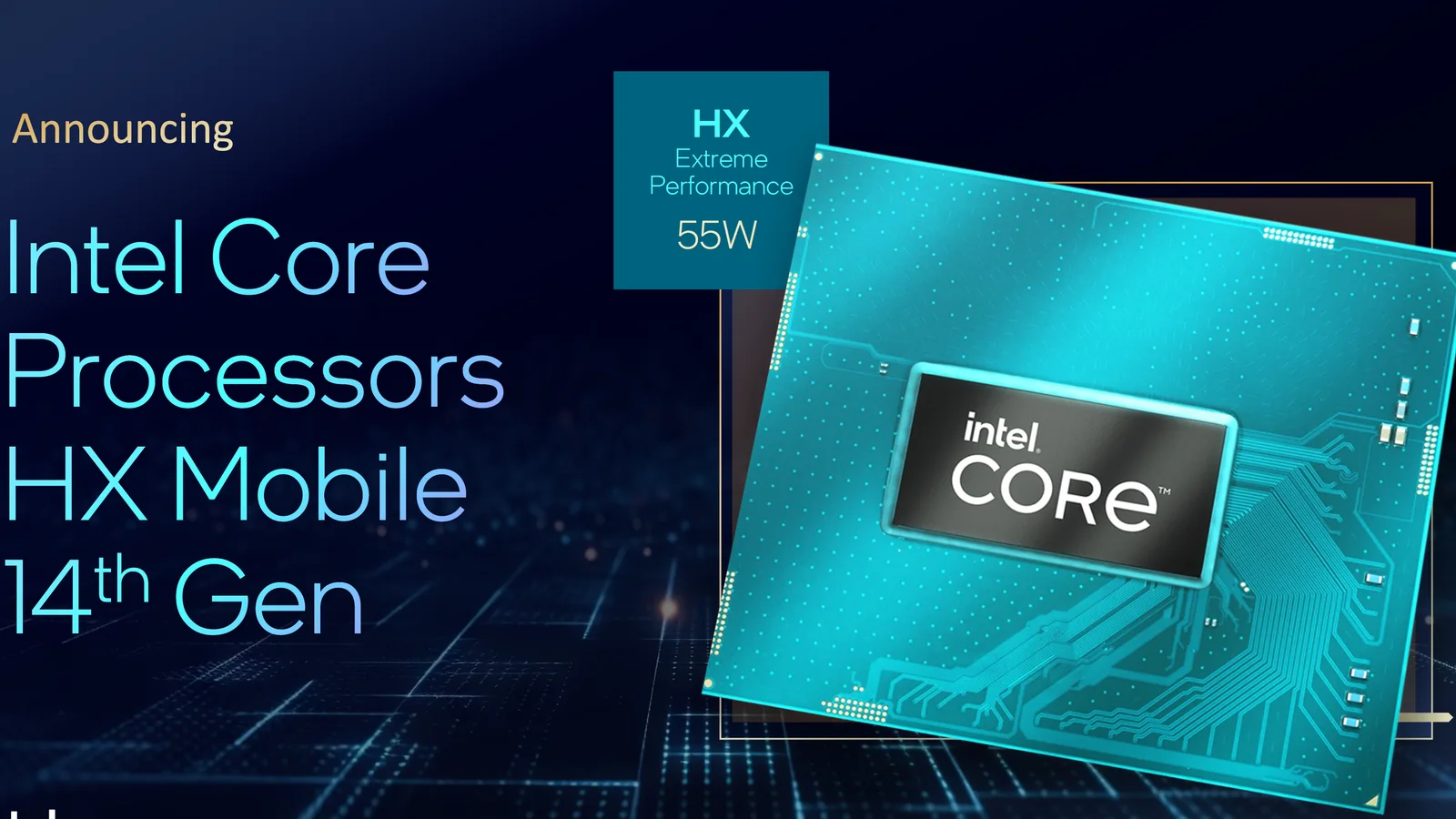
One practical reason for reviving Raptor Lake is memory compatibility. The platform supports both DDR4 and DDR5, giving laptop manufacturers the option to build lower-cost systems around DDR4 at a time when DDR5 pricing remains under pressure. Intel’s newer Core Ultra platforms generally target DDR5 or LPDDR memory, making an older architecture potentially useful for manufacturers seeking cheaper gaming laptops without moving entirely to entry-level processors.
The positioning would also help separate Core 2000HX from Intel’s more advanced mobile families. Reports indicate that Nova Lake-HX could use Core Ultra 4000-series branding, while existing Arrow Lake gaming-laptop chips already occupy the Core Ultra 200HX family. Using a four-digit Core 2000HX name would therefore make it easier to distinguish the Raptor Lake-based processors from Intel’s newer Core Ultra designs.
Earlier leaks also suggest the HX-only Raptor Lake Next lineup will not support Intel vPro or SIPP, reinforcing the idea that these chips are aimed primarily at consumer and gaming notebooks rather than business systems. The 24-core configuration would effectively bring the familiar 8P+16E layout back to performance laptops, while lower-tier variants would give manufacturers more flexibility across different price points. None of those specifications have been confirmed by Intel.
That could make the series particularly relevant for gaming laptops where CPU performance remains important but manufacturers are increasingly sensitive to memory and platform costs. Current high-end systems such as XMG’s RTX 5070-class PRO 18 laptops pair modern discrete GPUs with Core Ultra 200HX Plus processors, but a refreshed Raptor Lake option could give OEMs a cheaper path to similarly high core counts.
Raptor Lake Next is also reportedly being prepared for desktops, with previous reports pointing to continued LGA 1700 compatibility and support for both DDR4 and DDR5 memory. Those desktop parts are expected to coexist with Intel’s newer Nova Lake platform rather than replace it. The same strategy on laptops would allow Intel to cover two different segments simultaneously: premium systems built around the latest architecture and more cost-sensitive machines using mature Raptor Lake silicon.
Intel has not publicly confirmed the Core 2000HX name, launch timing or final product stack. Earlier reporting has placed Raptor Lake Next in 2027, but no official mobile release window has been announced. Until Intel provides details, the reported 24-core configuration, DDR4 compatibility and branding should all be treated as leak information rather than finalized specifications.
If the reports prove accurate, Core 2000HX will be less about introducing new CPU technology and more about extending a proven architecture into another generation of performance laptops. Its potential advantage would come from mature silicon, high core counts and support for cheaper DDR4 memory, giving gaming-laptop manufacturers another option alongside Intel’s newer and more expensive Core Ultra platforms.
