


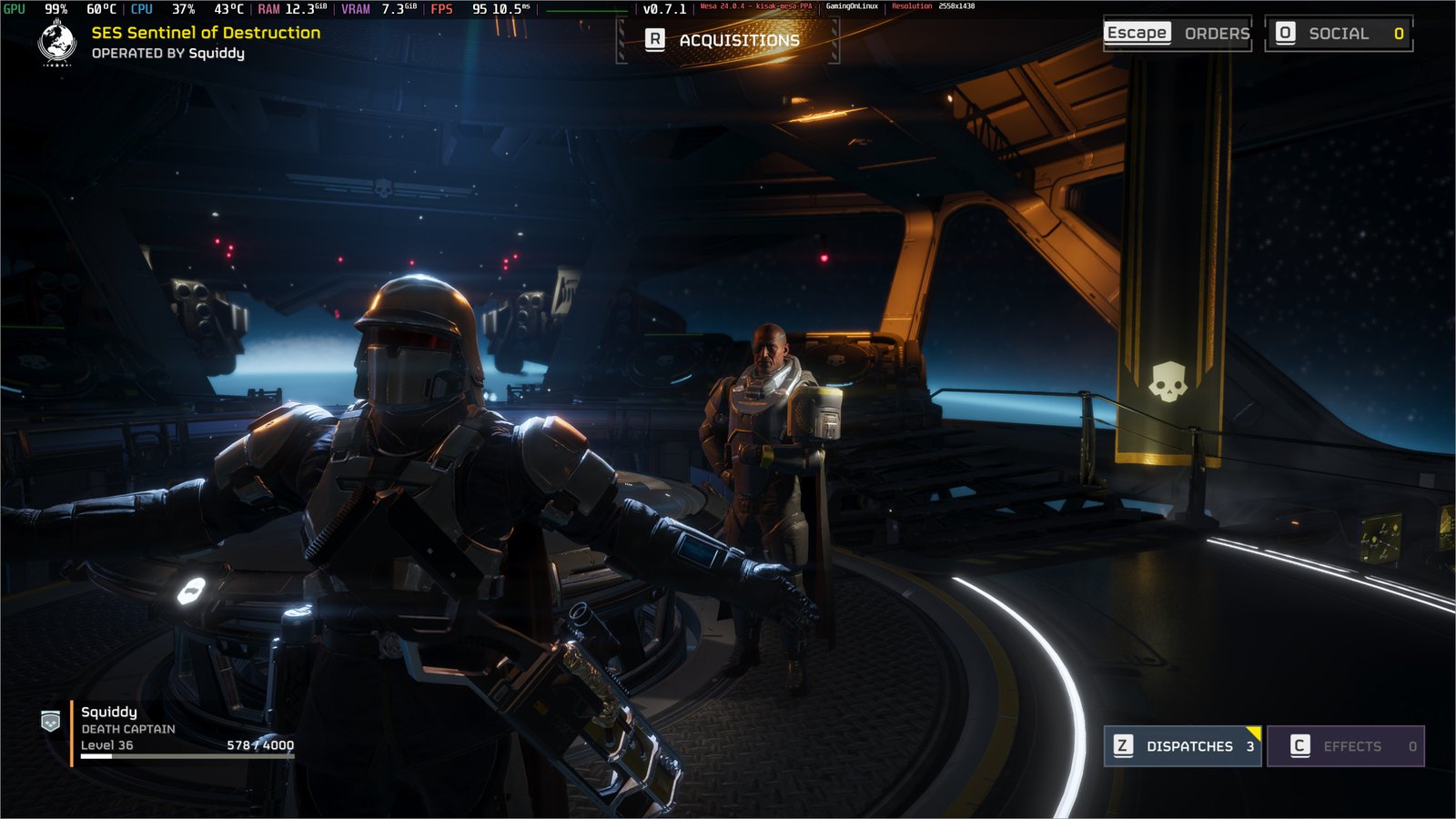
The developer of MangoHud has released version 0.8.5-rc1 on November 25, 2026, introducing the first public test build of MangoHud-next, a rewritten version of the open-source Linux gaming performance overlay. The experimental release introduces a client-server architecture, expanded customization, revised frame rate limiting and additional hardware monitoring capabilities.
MangoHud-next separates several monitoring and overlay functions from the host application, allowing them to operate through a dedicated server. The existing implementation, now designated MangoHud-classic, remains available alongside the experimental version without requiring changes to existing configurations.
Speaking to GamingOnLinux, MangoHud creator FlightlessMango explained that increasingly complicated configuration options and the amount of code operating inside host applications were two major motivations behind the rewrite. Moving functionality into a separate process addresses these architectural limitations.
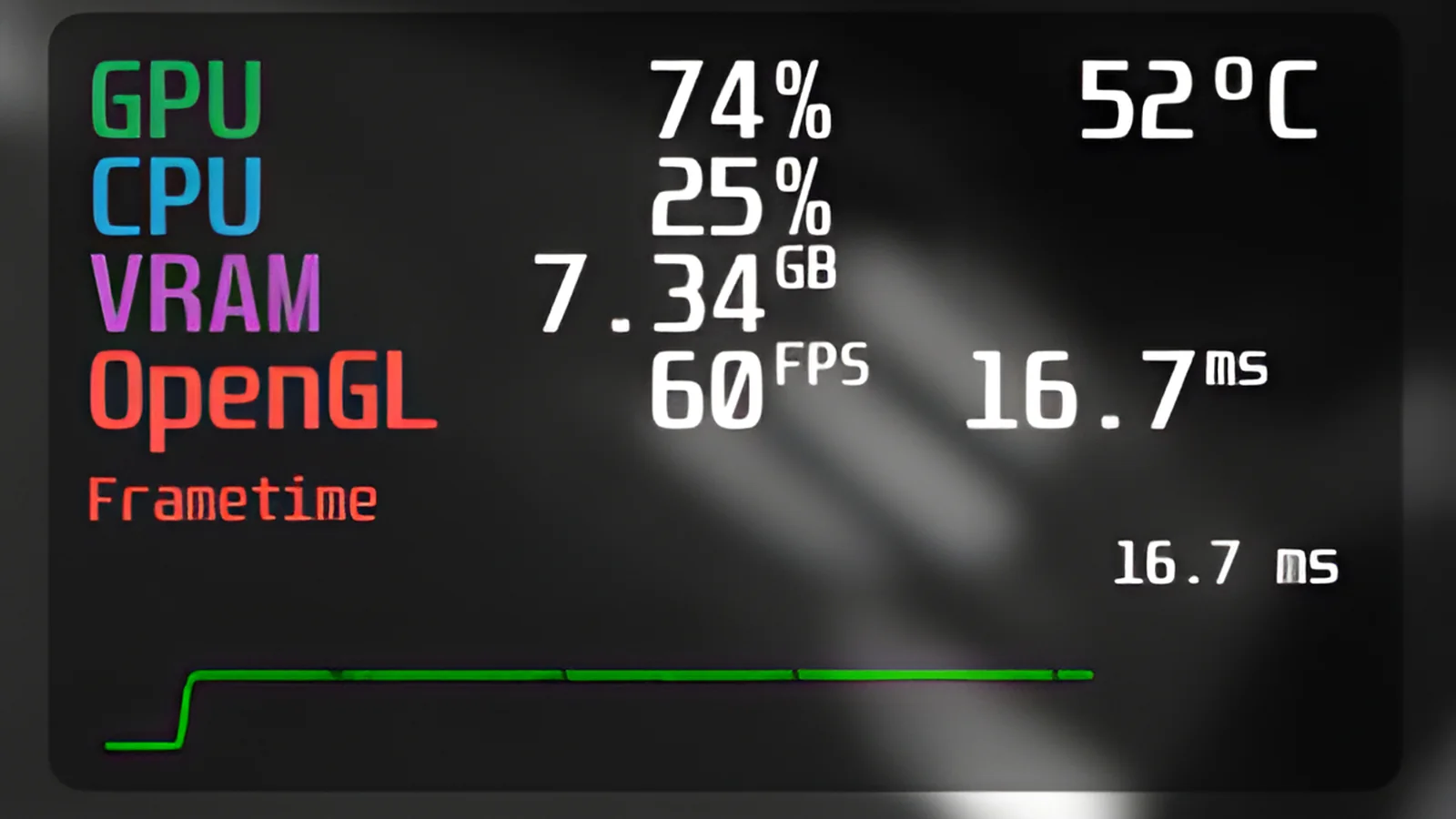
The new implementation replaces the previous configuration format with YAML, allowing users to organize monitoring information into customizable rows, columns and independently sized cells. Multiple overlay windows are supported, with options for graphs, progress indicators, text, custom colors, fonts and spacing.
The redesign represents a separate development from the recent Goverlay 2.0 update, which introduced a redesigned graphical interface and expanded Linux gaming configuration tools, including MangoHud benchmark viewing.
MangoHud-next also changes how its frame rate limiter operates. Vulkan frame pacing now occurs before image acquisition, while OpenGL pacing takes place before buffer swapping. Users can additionally monitor application timing, display refresh behavior and overlay presentation timing.
Hardware monitoring has expanded to include individual CPU core frequencies and utilization, application-specific GPU activity, video memory consumption and HDR status. Gamescope compatibility no longer requires launching mangoapp separately when using the new implementation.
The broader v0.8.5-rc1 release also introduces hardware telemetry support for Valve’s Steam Frame, Intel GPU video memory reporting and fixes affecting NVIDIA and AMD sensor readings, battery monitoring and Vulkan HDR color handling.
Steam users can test MangoHud-next after installation by entering mangohud-next %command% in a game’s launch options. The existing mangohud command continues to launch the classic implementation.
Version 0.8.5-rc1 is available through the project’s official GitHub releases page. MangoHud-next remains in beta, with missing features and compatibility issues still being addressed. The developer intends to eventually replace MangoHud-classic, although both implementations will coexist while development continues.
