


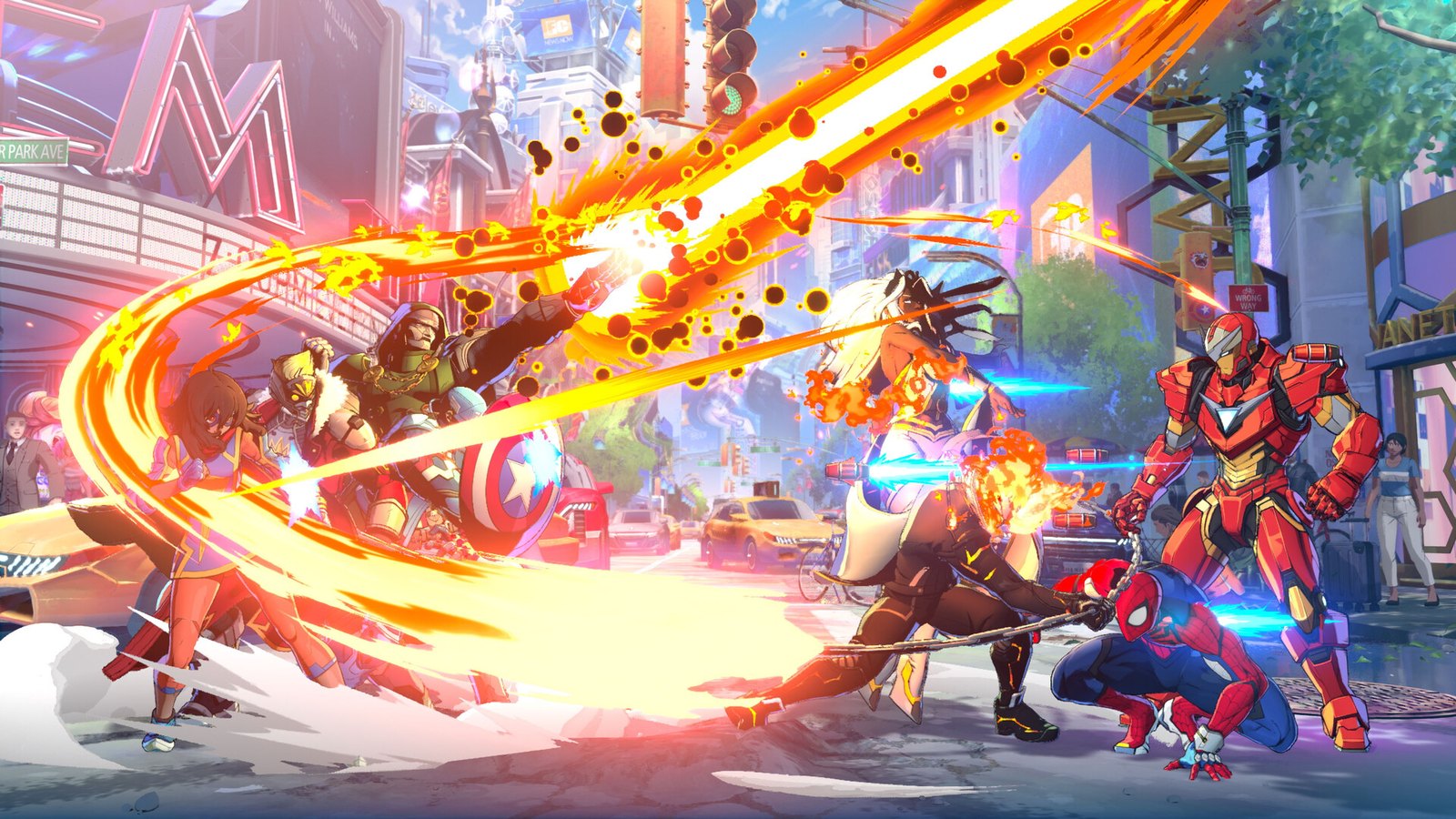
Marvel Tōkon: Fighting Souls director Kazuto “Pachi” Sekine has apologized for the fighting game’s continuing PC stability problems while outlining several gameplay changes now being prepared by Arc System Works. In a new message published through the game’s official Steam news feed, Sekine said work on the PC version remains a priority and detailed upcoming adjustments to input recognition, assists and character switching. The studio is not planning major character-specific balance changes yet.
Sekine acknowledged that the August 6 launch was affected by stability problems on PC and apologized to players who were unable to experience the game as intended. He said the development team is continuing to make progress on PC improvements rather than treating the earlier patches as the end of that work. Marvel Tōkon has already received several post-launch updates addressing CPU usage, frame-rate drops, crashes, online stability and other technical problems.
The director’s message also addresses one of the more persistent gameplay complaints: inputs sometimes failing to register correctly. Arc System Works says attacks performed after aerial dashes or Free Flight can occasionally be missed, and the team intends to change the current input windows to make the game more responsive. Tōkon presently uses a six-frame input buffer when a button is held, but the developers are investigating a system that would allow certain actions to register even when the player is no longer holding the button.
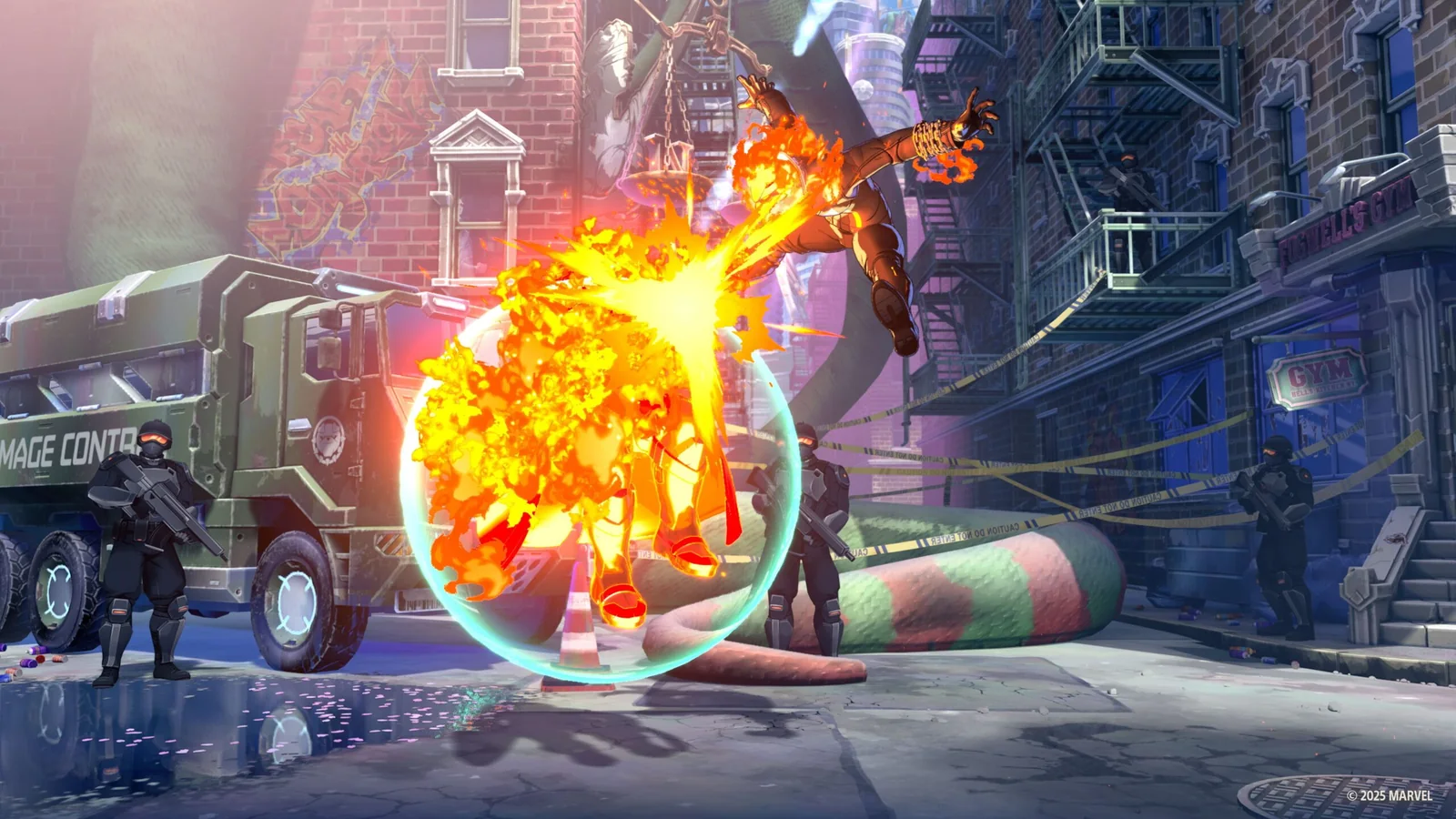
Sekine asked players to continue submitting specific examples of unresponsive inputs through the game’s official support system. Input handling has already been adjusted several times since launch, including changes to command priority and dash behavior, but the latest statement makes clear that Arc System Works does not consider the problem fully resolved. The next round of changes is intended to improve consistency rather than simply make commands easier to execute.
Assists and tags are another major target. Marvel Tōkon was designed around frequent character appearances, with teammates repeatedly entering fights to recreate the chaotic group battles associated with Marvel comics. According to Sekine, however, players have optimized those systems to a degree that the frequency of assists has exceeded the developers’ original expectations.
The studio is now considering longer cooldowns for certain Assists and Switches. Sekine said the goal is to preserve the game’s aggressive rushdown possibilities while creating more opportunities for neutral play and reducing periods where one player is effectively unable to act because of repeated tags. Arc System Works also wants to improve visual clarity without stripping away the fast, crowded style that defines Tōkon’s 4v4 combat.
Those changes will not immediately be accompanied by widespread character buffs and nerfs. Sekine said the game remains in a “discovery phase,” with players continuing to uncover new character techniques, team combinations and strategies. Because changes to assists and tags could alter the overall balance by themselves, any character-specific adjustments made in the near term are expected to be limited.
The director also shared character win-rate data showing a relatively narrow spread across the launch roster. Blade and Magik currently sit at 52%, while Deadpool, Wolverine and Champion are at 48%, with most of the remaining cast between 49% and 51%. Mirror matches were excluded from those figures, and Sekine cautioned that individual character win rates do not provide a complete picture of team performance.
Arc System Works intends to implement the input and system-level changes as soon as possible, but Sekine said the timing will also be chosen to minimize disruption to major tournaments, including Arc World Tour qualifiers. No exact patch date has been announced.
Marvel Tōkon: Fighting Souls launched on August 6 for PlayStation 5 and PC through Steam and the Epic Games Store. The latest director message indicates that improving the PC version remains the immediate technical priority, while the first major gameplay adjustments will focus on making inputs more reliable and reducing the frequency of assists and tags before the studio considers broader character balance changes.
