


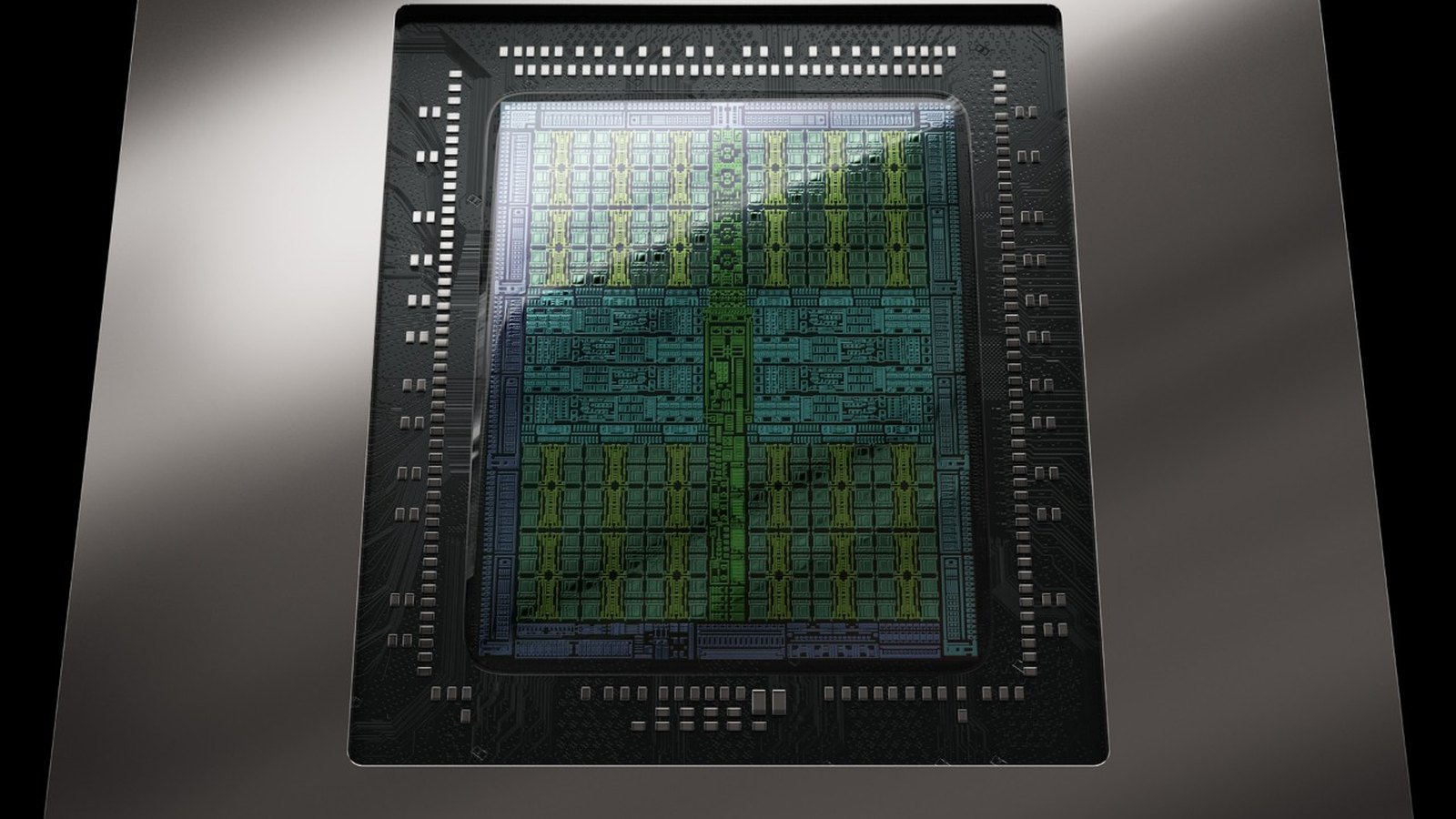
A Micro Center customer in California says buying a PowerSpec AI90 gaming PC with a GeForce RTX 5090 required more than the usual payment and pickup process. According to the buyer, the Tustin store asked them to scan a driver’s license and complete an “Advanced Computing Product Purchaser Declaration” before completing the sale. The document reportedly includes a prominent “NO EXPORT – NO EXCEPTIONS” warning and requires the purchaser to confirm that the system will remain in the United States.
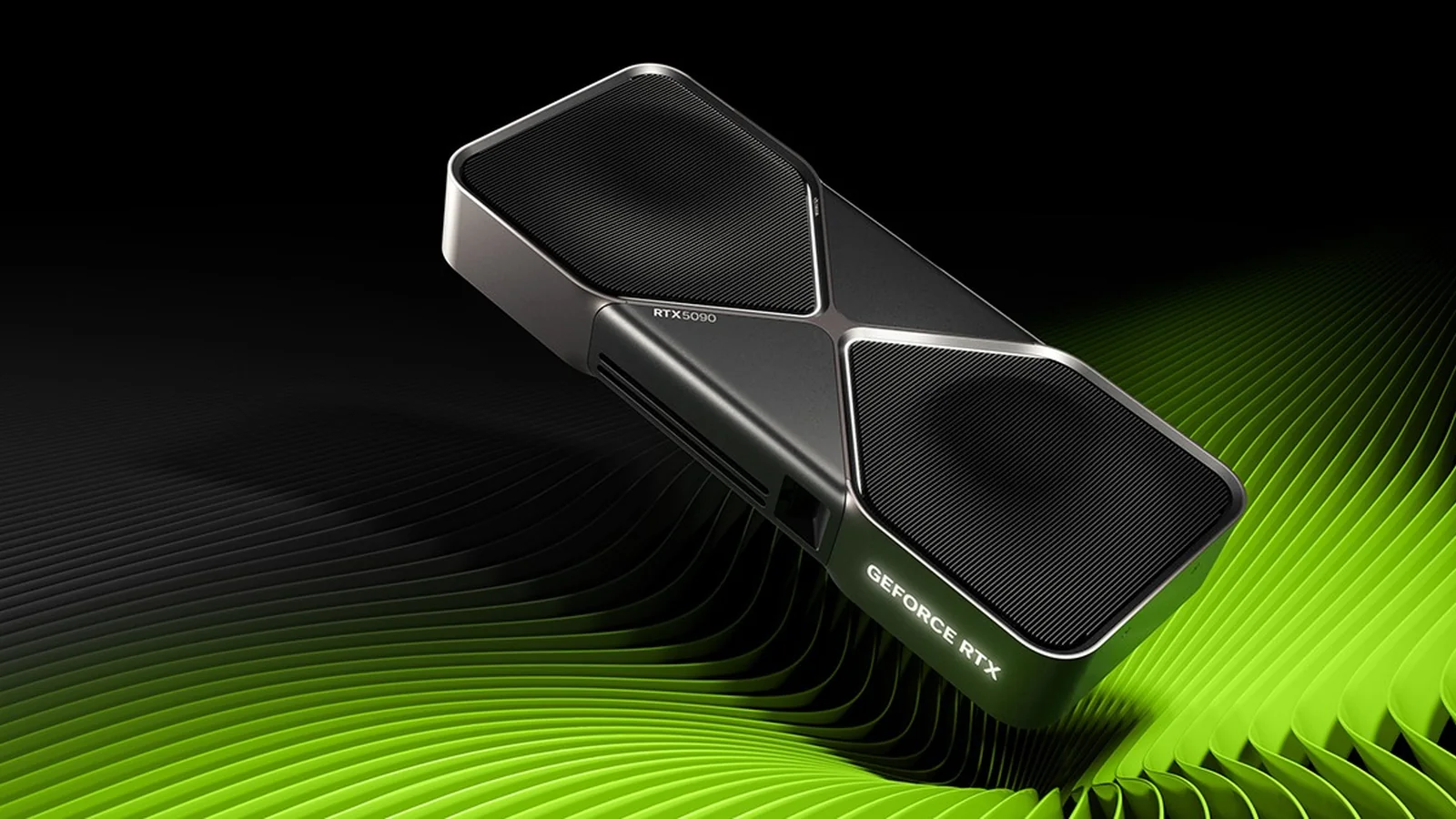
The buyer described the experience on Reddit after purchasing the PowerSpec AI90, a prebuilt desktop equipped with an RTX 5090 Founders Edition. They said a store manager told them the process was newly introduced and had only been in place for a few days. The available evidence does not establish that every Micro Center location is following the same procedure, and the retailer has not published a public announcement describing a chainwide RTX 5090 identification or declaration requirement.
ComputerBase reviewed the document shown by the buyer and reported that it asks for the purchaser’s full name, home address, phone number and email address. It also requests information about the actual end user, where the system will be installed and its intended use. The declaration further states that Micro Center will not sell the covered product to someone intending to export, resell, transfer or otherwise remove it from the United States, while the customer must confirm they are not acting as a proxy purchaser.
The unusual retail procedure arrives against the backdrop of tightening US controls around exports of advanced computing hardware. Those rules have increasingly targeted high-performance accelerators, semiconductor products and end users that could route restricted hardware to controlled destinations. Nvidia itself has repeatedly warned investors that US export controls can restrict the sale, resale or transfer of some GPUs and related systems, although the exact rules depend on the specific product, destination, customer and intended use.
That distinction is important in the RTX 5090 case. There is currently no evidence that US authorities require every domestic buyer of a GeForce RTX 5090 to sign this exact Micro Center form or provide a scanned driver’s license. ComputerBase specifically noted that the declaration appears to be a retailer compliance measure rather than a government-issued form, and Micro Center has not publicly explained whether it applies to all RTX 5090 products, only certain systems or only particular stores.
The reported policy also should not be interpreted as proof that an ordinary RTX 5090 is universally prohibited from leaving the United States. Export-control requirements can vary significantly depending on technical specifications, destination, end user and end use. The US Bureau of Industry and Security advises exporters and re-exporters to determine a product’s classification and whether licensing requirements apply before transferring controlled items internationally.
For PC enthusiasts, the practical significance is that buying flagship graphics hardware may increasingly involve compliance checks that previously would have seemed unusual for a consumer gaming product. Micro Center already lists many RTX 5090 models as in-store-only items and commonly applies household purchase limits to high-demand GPUs. Adding identity verification and end-use declarations at some locations would make purchasing certain high-end systems substantially more restrictive.
The timing also reflects how gaming GPUs have become entangled with the broader advanced-computing market. The RTX 5090 is sold primarily as Nvidia’s flagship consumer graphics card, but high-end GPUs can also be attractive for compute workloads because of their large memory capacity and processing performance. That overlap has made top-tier consumer hardware increasingly relevant to discussions around diversion and export enforcement.
For now, the strongest evidence points to a newly implemented procedure at at least one Micro Center location rather than a confirmed nationwide requirement. The Tustin customer says they were required to provide identification and sign the declaration before receiving an RTX 5090-equipped PC, and other users have reported similar experiences at additional stores. Until Micro Center publishes a formal policy, however, it remains unclear how broadly the requirement applies or which high-end GPU products trigger it.
