


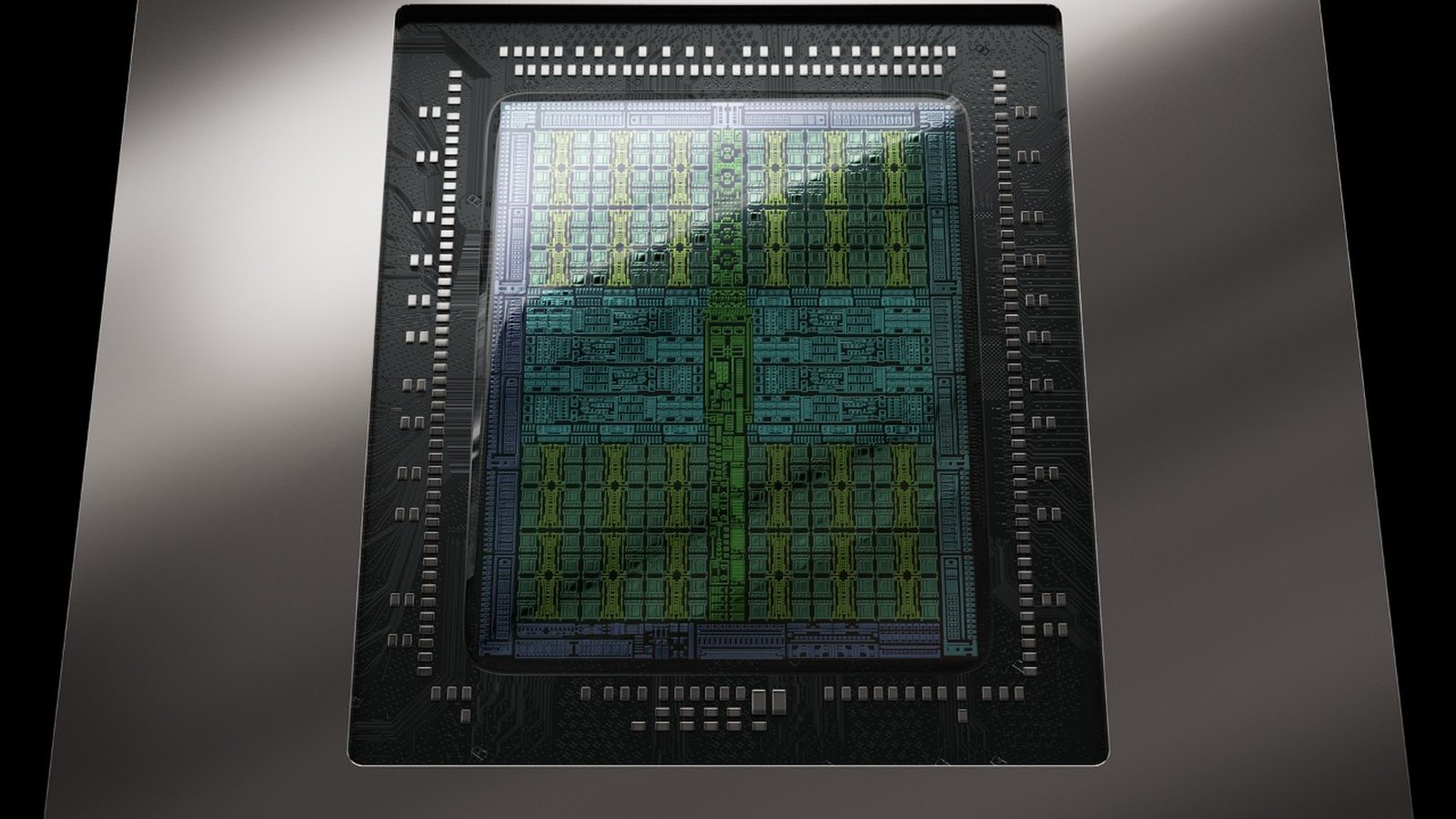
Nvidia’s GeForce RTX 5090 has become increasingly difficult to find in German retail stores, with available graphics cards now selling for several times their original recommended price. According to an October 7 investigation by German technology publication ComputerBase, the flagship Blackwell GPU is effectively disappearing from the country’s online retail market despite dozens of models still appearing in price comparison listings. Prices for immediately available cards currently start at €5,999, almost three times Nvidia’s official German launch price of €2,099.
ComputerBase examined listings for RTX 5090 models that retailers claim to have physically in stock and ready to ship. Its search returned 31 available graphics card variants, with prices ranging from €5,999 for a Gigabyte Aorus Xtreme Waterforce model to €9,990 for MSI’s high-end Lightning Z. While 31 listings might initially suggest reasonable availability, a closer examination revealed that inventory is concentrated among a surprisingly small number of sellers.
Fourteen of those graphics card models were available from just one retailer each, while no individual model was listed as immediately available by more than six retailers. ComputerBase found that Alternate and Caseking accounted for much of the remaining selection, with both stores continuing to add RTX 5090 listings while availability elsewhere declined. This concentration suggests that the number of genuinely accessible cards is considerably smaller than the headline number of available models might indicate.
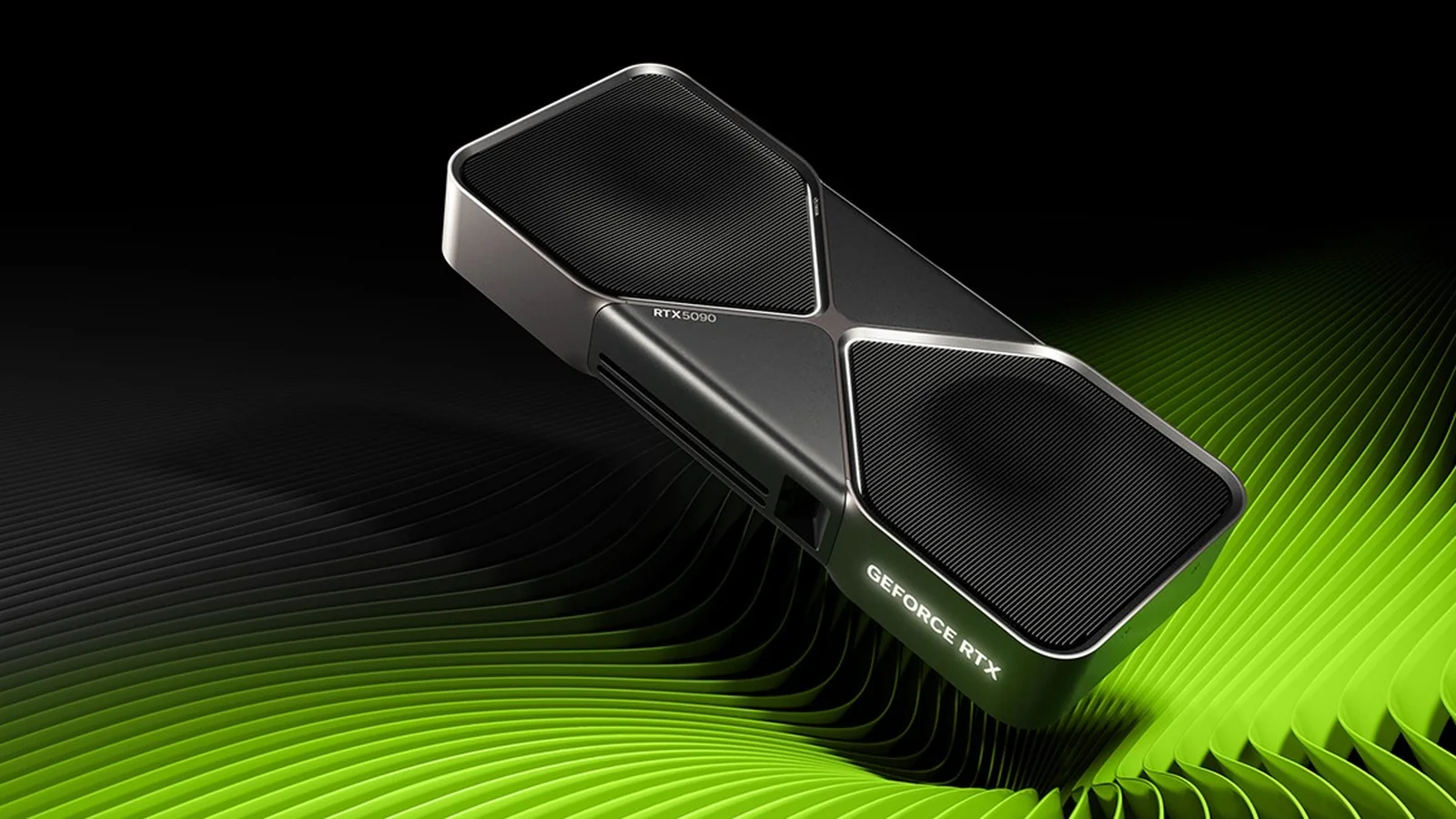
The situation represents another deterioration in the RTX 5090’s retail availability following months of rising prices. Nvidia introduced the graphics card with a €2,099 recommended retail price in Germany, but aftermarket models have moved progressively further beyond that figure. By the beginning of October, German hardware publication Hardwareluxx had already documented entry-level listings reaching approximately €5,999, following prices above €5,000 in September.
The latest figures also show how dramatically the RTX 5090 has separated itself from conventional high-end gaming hardware pricing. Even the least expensive immediately available option identified by ComputerBase costs roughly €3,900 more than Nvidia’s original recommended price. Premium models carrying significantly higher price tags widen that gap further, leaving consumers who specifically need Nvidia’s most powerful GeForce graphics card with limited purchasing options.
Importantly, the shortage does not establish that Nvidia has discontinued the RTX 5090. ComputerBase explicitly noted that there are currently no credible rumors indicating the flagship GPU has reached the end of production. The reason fewer retailers are carrying inventory remains unknown, with possible explanations including reduced shipments to board partners, products being redirected away from Germany, or available units reaching customers before appearing as ordinary retail stock.
Broader demand for high-memory graphics cards may also be contributing to the difficult market conditions. The RTX 5090 features 32GB of GDDR7 memory, making it attractive not only to enthusiast gamers but also to users running demanding local AI workloads. ComputerBase had already documented substantial price increases for GPUs with large memory capacities earlier in 2026, although there is no confirmed evidence establishing how much of the current German shortage is directly attributable to AI-related demand.
Other Blackwell gaming GPUs have not reached the same level of scarcity. ComputerBase found that the GeForce RTX 5080 and RTX 5070 Ti remained available through considerably more German retailers, with numerous custom designs stocked by more than a dozen sellers. Their prices have also continued rising, however, indicating that pressure is not limited entirely to Nvidia’s flagship product.
The tightening market comes amid uncertainty surrounding Nvidia’s next generation of gaming graphics cards. Recent leaks have suggested that the RTX 60 series could arrive in 2028, potentially extending the current generation’s position in the high-end market. Those timelines remain unconfirmed, but a lengthy gap before replacement hardware would make sustained RTX 5090 availability particularly important for enthusiasts seeking a top-tier upgrade.
The RTX 5090 has also attracted attention for its demanding power requirements, including enthusiast experiments involving additional power connectors to reduce cable load. Its combination of high performance, substantial memory capacity and premium positioning already made it an expensive product before the latest supply constraints emerged. At current German retail prices, however, the cost of obtaining one has moved far beyond its original consumer-market positioning.
For now, the findings are specific to Germany and should not be interpreted as proof of an identical shortage worldwide. ComputerBase’s investigation nevertheless provides a concrete indication of how restricted RTX 5090 availability has become in one major European market. Unless retail supply improves, buyers may continue facing extremely limited choices and prices substantially above Nvidia’s official recommendation.
