


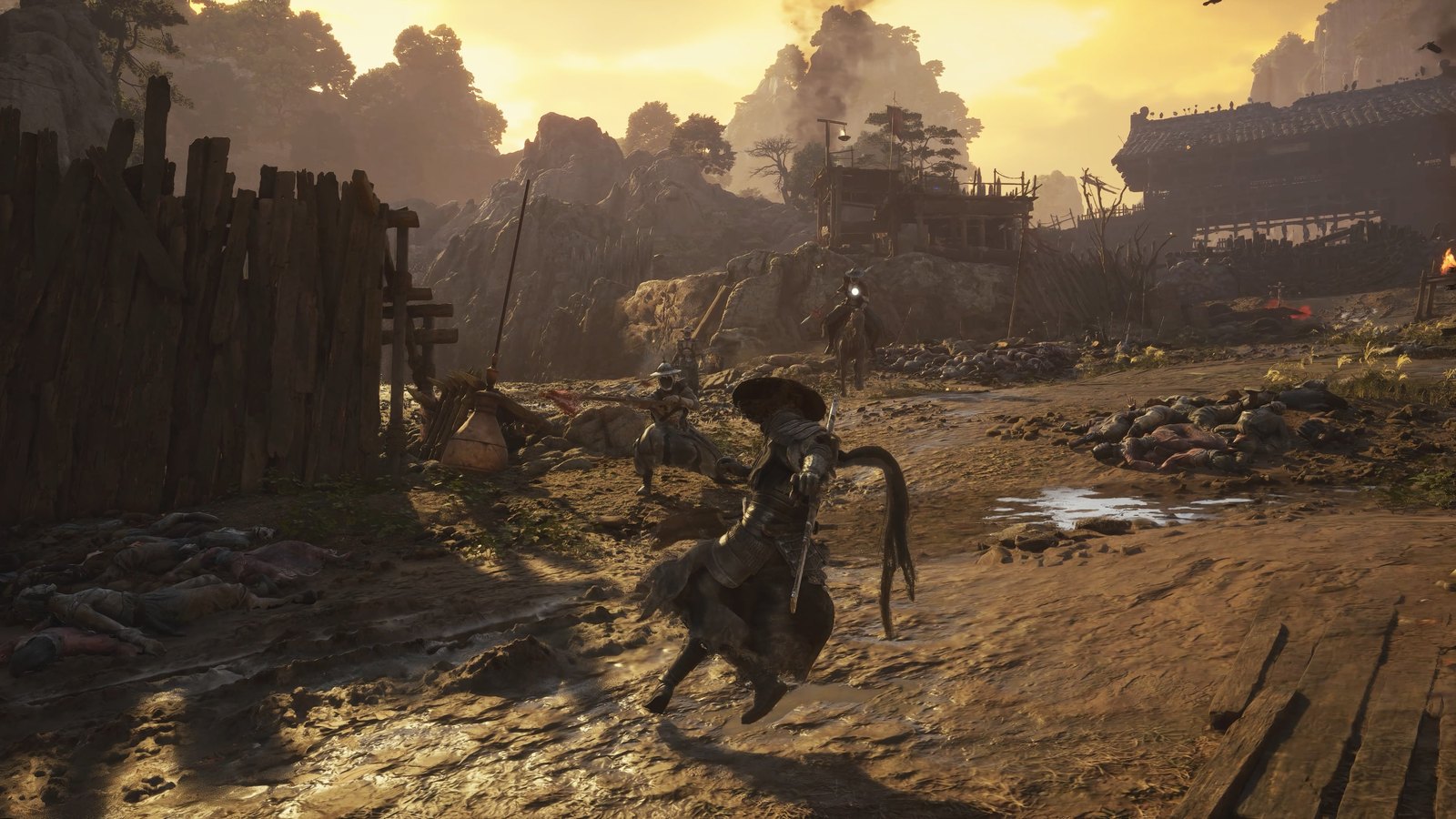
The first full reviews of Phantom Blade Zero are appearing ahead of its October 29 release, with critics praising S-Game’s martial arts combat, challenging boss encounters and extensive weapon selection. Noisy Pixel has awarded the action RPG an 8.5/10, while TheSixthAxis and Insider Gaming have each given it 9/10. However, reviewers have also identified shortcomings in its storytelling, enemy encounters and technical performance.
Noisy Pixel’s review, written by Orpheus Joshua, describes combat as the game’s greatest strength. Battles involve switching between equipped swords, managing the stamina-like Sha-Chi resource and responding to different enemy attacks with precisely timed defensive moves. Successfully countering certain attacks triggers a Ghoststep, allowing the protagonist, Soul, to reposition and retaliate.
Boss encounters receive particular praise for their distinctive attack patterns and fighting styles. Rather than relying on the same approach throughout the campaign, players must learn individual encounters and adapt their defensive timing, weapon choices and offensive strategies.
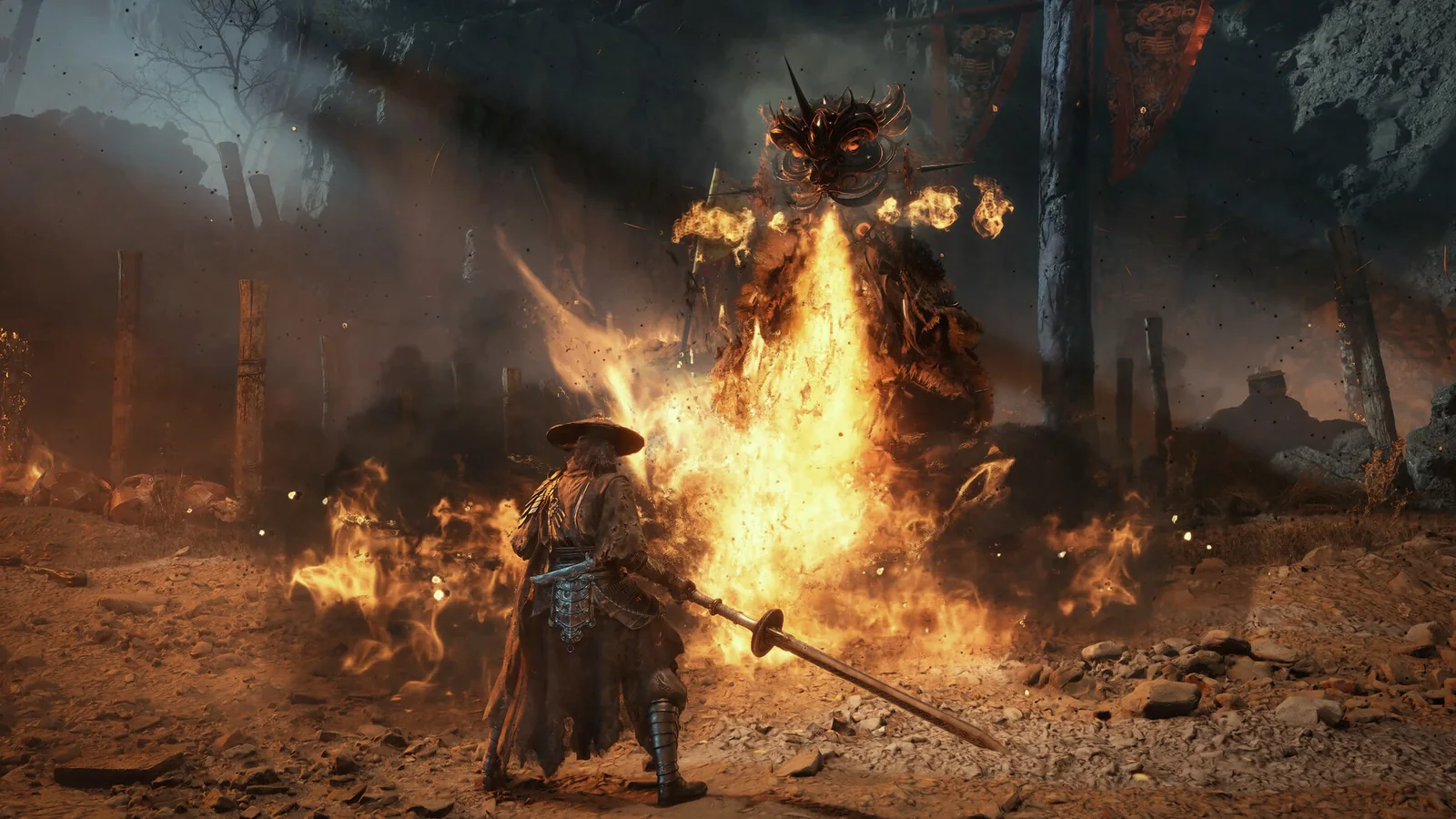
Weapon variety is another highlight. Soul can acquire swords with different attack speeds, ranges and special abilities, alongside Phantom Edges that provide additional combat and traversal options. Individual weapons have upgrade trees, while some Phantom Edges can open previously inaccessible routes during exploration.
Despite these strengths, the reviews are less enthusiastic about the storytelling. Noisy Pixel criticizes the game for introducing character relationships and past conflicts without enough context to make them emotionally engaging. Important background information is frequently delivered through collectible notes and voiced memories rather than the main narrative.
Push Square similarly praises the combat while criticizing the excessive use of flashbacks and supplemental storytelling. Its review also notes that ordinary enemies do not respawn after being defeated, leaving previously cleared environments largely empty during return visits.
The game’s difficulty options offer another noteworthy detail. Noisy Pixel describes Pathbreaker as the more approachable setting, while Hellwalker introduces more demanding encounters and adaptive enemy AI. Completing the campaign also unlocks a mode called 66 Days, which builds on Hellwalker’s difficulty and imposes a limit of 66 deaths.
The restriction reflects the game’s central premise, in which Soul has only 66 days left to live. However, Noisy Pixel’s reviewer did not personally test the unlockable mode, so its effect on a complete playthrough remains unassessed in that review.
Technical performance also receives some criticism. Noisy Pixel tested Phantom Blade Zero on a standard PlayStation 5 and encountered occasional frame-rate drops during combat, disappearing distant geometry and one crash. The reviewer nevertheless considered these problems relatively infrequent.
Push Square’s PS5 Pro review also describes generally smooth performance in its tested mode, although frame-rate drops during certain boss fights and occasional audio problems were reported. These findings concern the PlayStation versions and should not be treated as evidence of equivalent PC performance.
A separate review from Brazilian publication Critical Hits reportedly appeared ahead of the October 26 review embargo before being removed. The review was reported to have awarded Phantom Blade Zero an 8.5/10, praising its combat system, weapons and bosses while criticizing repetitive ordinary enemies, lengthy encounters and the absence of controller remapping.
The emerging assessments suggest that combat and boss design are the game’s strongest features, although critics differ in their opinions of its exploration and narrative. The reviews are individual assessments rather than a definitive measure of overall reception.
Phantom Blade Zero launches on October 29, 2026, for PlayStation 5 and PC, with the PC release listed for October 28 in some time zones. Players preparing for the PC version should also account for its 145 GB installation size and substantial preload storage requirements.
