


Sony’s rumored PlayStation 6 handheld could be the only portable gaming system to feature a semi-custom AMD RDNA 5 graphics processor, potentially giving it access to newer GPU technology than competing handhelds. The claim comes from Digital Foundry’s Richard Leadbetter, who discussed Sony’s possible hardware advantage during episode 287 of Digital Foundry Direct.
In the Patreon-exclusive discussion, Leadbetter referred to behind-the-scenes conversations suggesting Sony has an “exclusive of sorts” involving RDNA 5 technology for its upcoming portable device. However, the reported arrangement may not involve a conventional exclusivity agreement preventing other manufacturers from using AMD’s graphics architecture.
Instead, the potential advantage could result from AMD’s willingness to develop custom processors for manufacturers capable of committing to sufficiently large production volumes.
The distinction is important because it would mean Sony could obtain a purpose-built RDNA 5 processor without necessarily holding exclusive rights to the architecture itself.
AMD develops semi-custom chips tailored to the requirements of individual hardware manufacturers. These designs can combine CPU and GPU technologies with platform-specific features, power requirements and other modifications.
According to the speculation surrounding Leadbetter’s comments, AMD may be increasingly selective about committing engineering resources to custom processors for relatively small handheld markets. Manufacturers unable to guarantee sufficient orders could therefore find it harder to justify dedicated chip development.
A previous claim from hardware leaker Kepler_L2 suggested AMD required a commitment of at least 10 million units to develop a custom processor for Microsoft’s proposed first-party Xbox handheld. Microsoft reportedly considered that commitment too risky.
However, that explanation was disputed in October 2025 by Windows Central journalist Jez Corden, who rejected the claim and indicated that Microsoft’s handheld strategy was instead focused on supporting the ASUS ROG Xbox Ally and improving Windows for portable gaming devices.
Consequently, the alleged 10-million-unit requirement should not be treated as an established AMD policy. Neither AMD nor Sony has publicly confirmed a minimum production commitment or an exclusive RDNA 5 arrangement.
The latest discussion adds another possibility to existing rumors about Sony’s next-generation handheld, reportedly codenamed Canis.
Earlier hardware leaks have suggested the device could combine six AMD Zen 6-family CPU cores with a GPU featuring 16 RDNA 5 compute units. Other rumored specifications include 24GB of LPDDR5X memory and a power envelope of approximately 15W to 25W.
These specifications remain unconfirmed, and Sony has not officially announced a PlayStation 6 handheld.
The rumored graphics architecture is particularly relevant because AMD’s next-generation RDNA 5 architecture has also been associated with potential improvements in matrix processing capabilities. Separate leaks have suggested substantial changes to the architecture’s AI-oriented hardware, although those performance claims have not been independently verified.
A semi-custom design could allow Sony to tailor the processor to the power and thermal limitations of a dedicated gaming handheld. However, the use of a newer GPU architecture alone would not establish superior gaming performance or battery efficiency.
The reported arrangement also raises questions about competing portable gaming devices.
Valve’s eventual Steam Deck successor and future Xbox-branded handhelds could rely on commercially available AMD processors rather than dedicated RDNA 5 silicon. Such an approach would avoid the need to commission an entirely new semi-custom processor.
Microsoft’s Project Helix hardware strategy already encompasses a broader family of gaming devices, including products designed for portable play. Meanwhile, AMD continues to support existing handheld platforms through software technologies, including FSR 4.1 support for ROG Xbox Ally handhelds.
There is currently no confirmation that Valve, Microsoft or other handheld manufacturers will be excluded from RDNA 5 technology. The speculation specifically concerns access to dedicated semi-custom processors, not necessarily future off-the-shelf AMD APUs using the same graphics architecture.
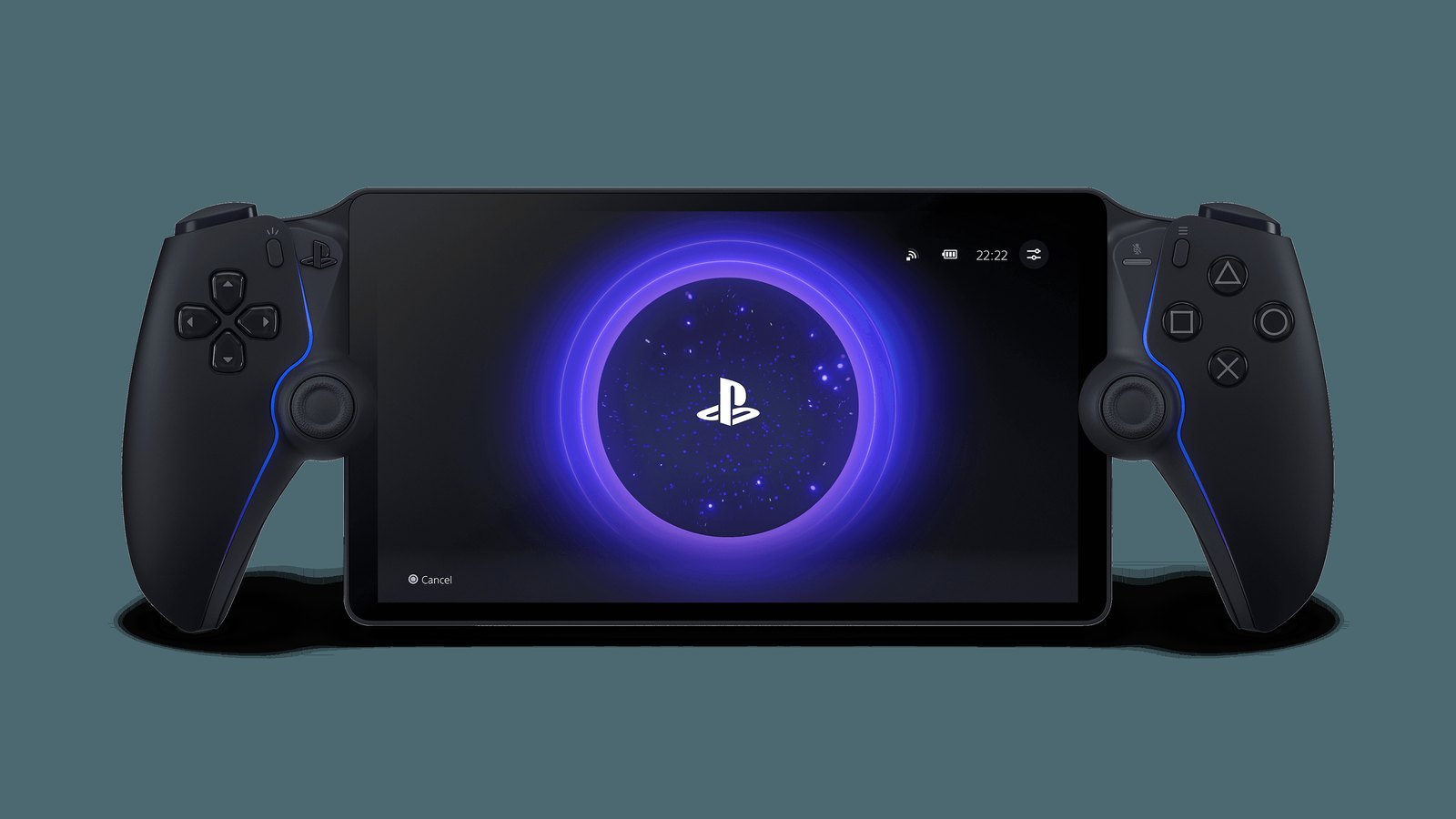
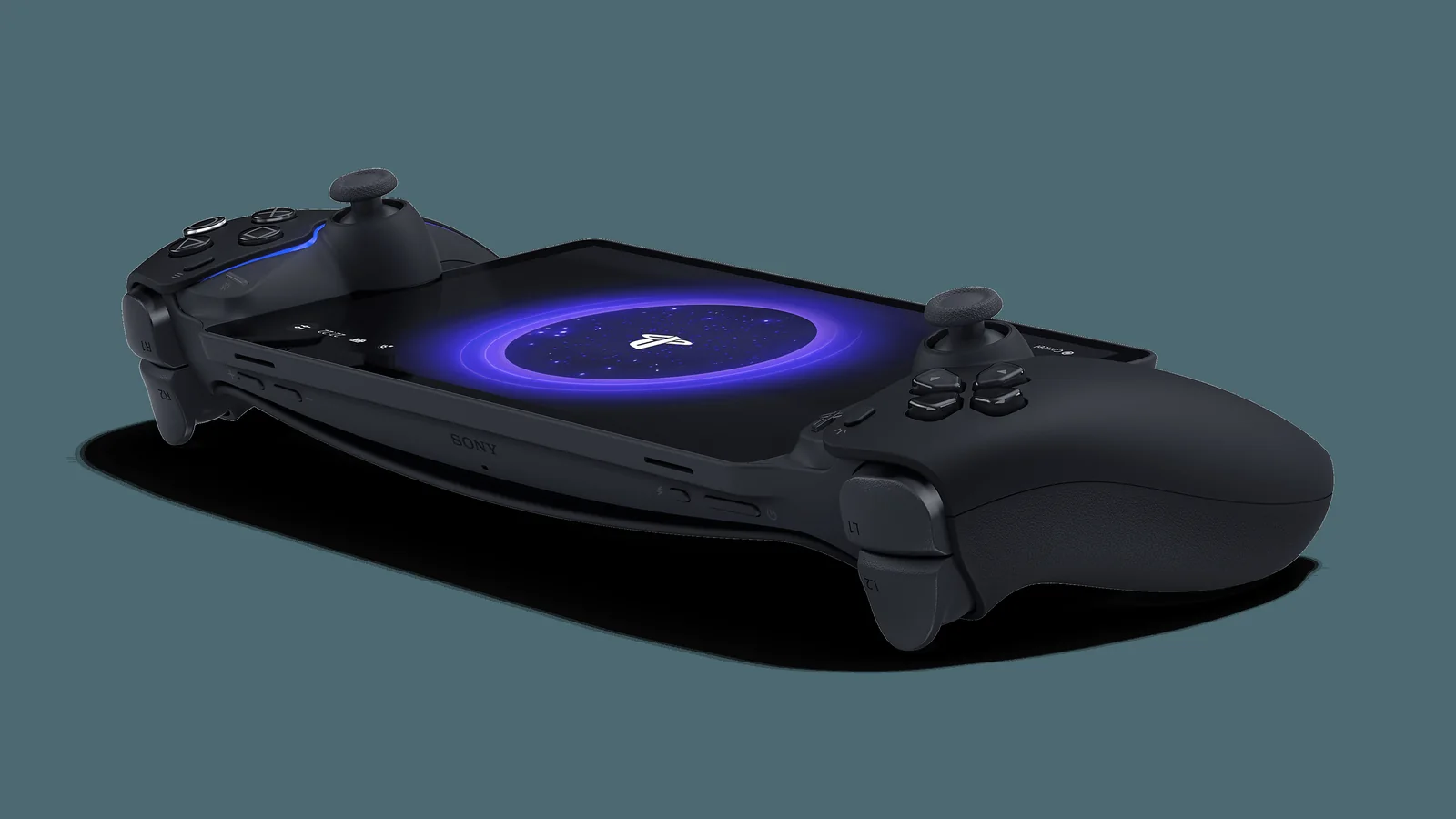
Sony’s reported handheld would also differ from the existing PlayStation Portal, which was originally introduced as a Remote Play device rather than a standalone console capable of running PlayStation games locally.
For now, Leadbetter’s comments suggest Sony may have an unusual opportunity to secure custom next-generation AMD graphics hardware for a portable console. The actual extent of that advantage, the processor’s specifications and the device’s release plans remain uncertain until Sony and AMD provide official details.
