


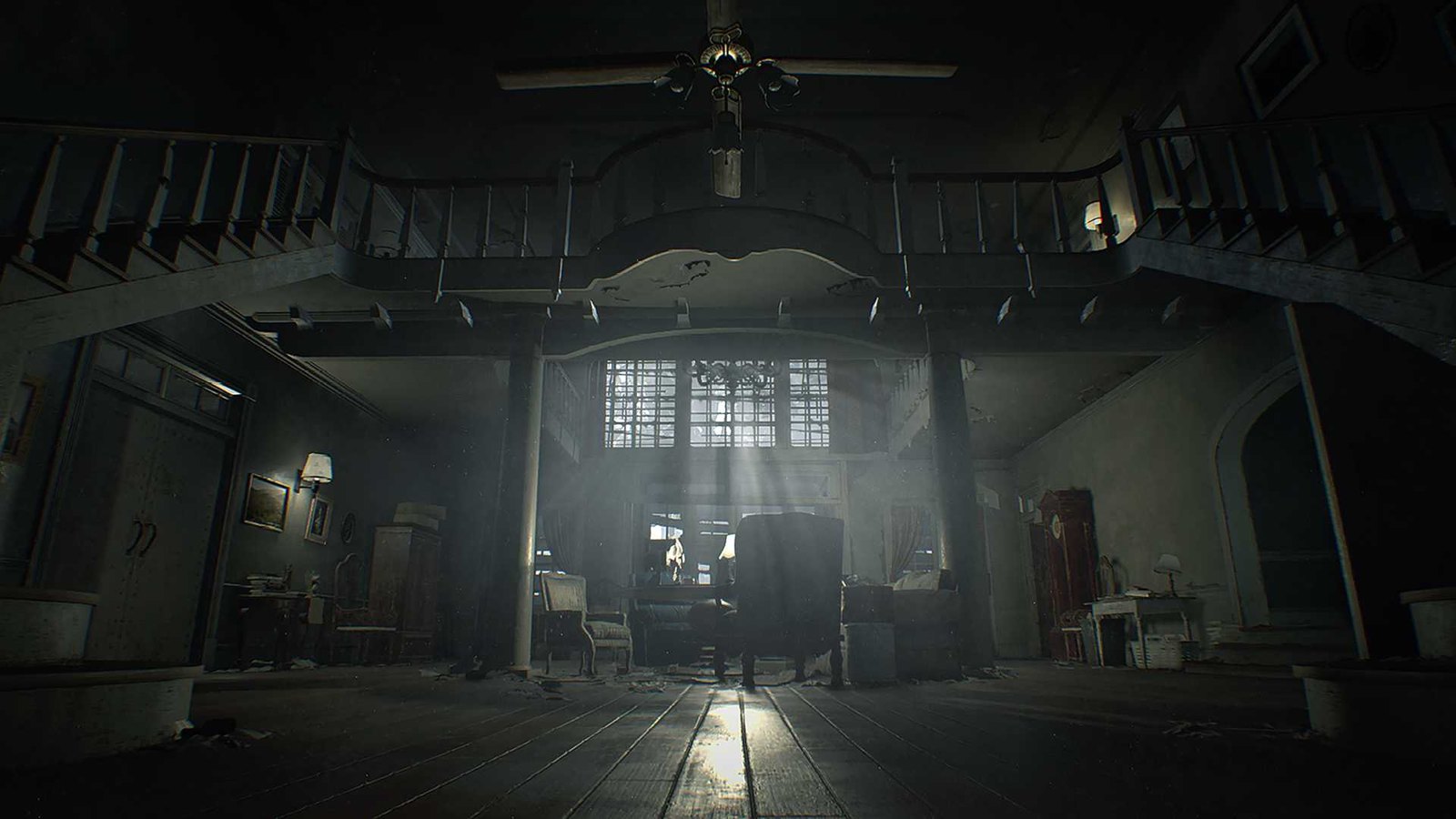
Resident Evil 7: Biohazard underwent major changes during development, with early versions reportedly considering established characters such as Leon S. Kennedy, Jill Valentine, Rebecca Chambers and Hunk as potential protagonists. Former Capcom manager Miguel E. Corti has shared new details about the game’s troubled production, including a substantial development restart, changes to Ethan Winters and late additions to the story.
In a lengthy Bluesky discussion published on October 18, 2026, Corti reflected on his involvement in the 2017 survival horror game. His account describes a project that initially struggled to establish its identity before Capcom shifted toward the first-person horror experience that eventually reached players.
According to Corti, the critical reception of The Last of Us influenced Capcom’s early thinking. Developers wanted to achieve similar recognition and initially considered strengthening Resident Evil’s connections to its established characters and mythology.
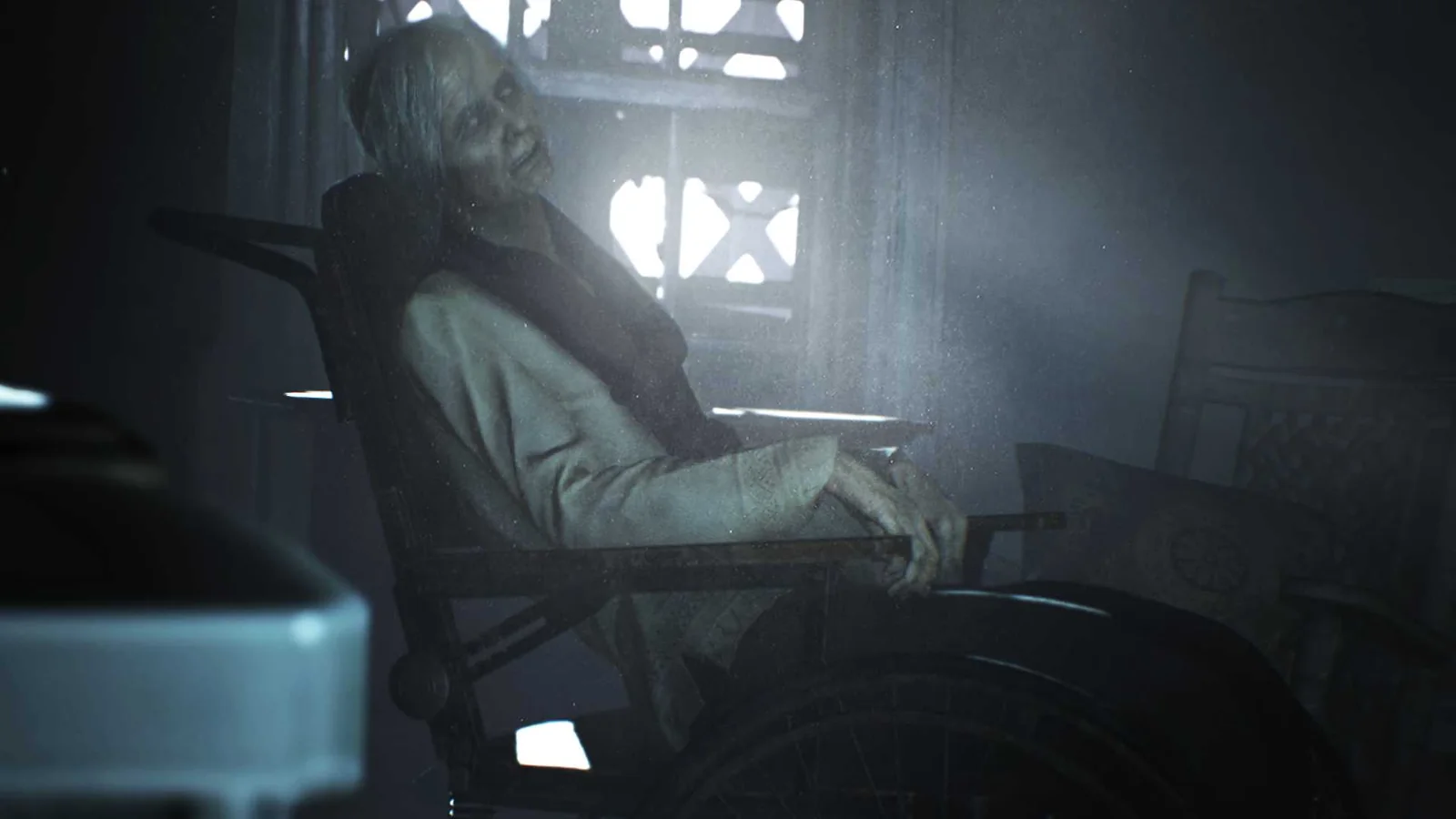
That approach produced several possible directions involving familiar protagonists. Leon, Jill, Rebecca and Hunk were among the characters considered, although Corti did not establish that each had reached the same stage of development.
“It was so all over the place, I lost track of the versions,” Corti recalled.
The project eventually underwent a significant restart following an internal reorganisation at Capcom. Corti said cancelled projects and Resident Evil Revelations 2 helped influence the revised direction, which introduced the first-person perspective and a stronger emphasis on traditional survival horror.
The development team also drew inspiration from the 2013 Evil Dead film. Corti identified the film as a major influence on the game’s atmosphere and noted the connection between its protagonist, Mia, and the character who became Ethan Winters’ wife.
Ethan himself was originally designed as a silent protagonist. That plan changed once the narrative established that his wife had disappeared and was presumed dead.
The developers reportedly decided that a completely silent character would not respond convincingly to such a traumatic situation. Ethan therefore received dialogue, although Corti suggested that traces of his original characterisation remained in the finished game, particularly his restrained reactions to disturbing events.
Corti also described how one of Resident Evil 7’s most significant narrative decisions was introduced surprisingly late in production.
The choice between saving Mia and Zoe was reportedly added when the story was nearly complete. During internal discussions, Corti recalled a noticeable difference in how developers approached the decision, with Japanese team members favouring Mia and non-Japanese colleagues choosing Zoe.
Corti himself preferred Zoe because she had actively helped Ethan survive, while Mia’s behaviour throughout the story had given players reasons to distrust her.
The disagreement reportedly exposed concerns about whether players had developed a sufficiently strong connection with Mia. Corti said an introductory scene was added to strengthen that relationship, although subsequent revelations about her involvement with a dangerous organisation complicated the intended emotional impact.
These revisions created frustration among some developers, particularly the game’s writer, according to Corti.
Another late concern involved Resident Evil 7’s limited connections to established franchise characters.
Corti said developers worried about how audiences would respond to such a departure from previous entries. That concern contributed to the decision to introduce Chris Redfield near the conclusion.
Chris appeared wearing an Umbrella insignia, an intentionally provocative detail designed to encourage speculation about his allegiance. However, Corti said players became more concerned with the character’s unfamiliar appearance.
Resident Evil 7 relied on scanned real-world models for its characters, and the development team reportedly struggled to find someone who resembled Chris’ established design while maintaining the visual consistency of the other characters.
The final version of Resident Evil 7 launched in January 2017, replacing the action-heavy direction of Resident Evil 6 with an isolated Louisiana setting, a new protagonist and first-person gameplay.
Although Corti described the game’s initial commercial performance as relatively slow, its critical reception and the subsequent release of Resident Evil Village helped sustain interest.
That shift also established the foundation for Ethan’s continuing story in Village, while Capcom subsequently returned to established franchise characters in Resident Evil Requiem. The series continues to expand through projects including the upcoming Resident Evil Requiem DLC exploring Oswell E. Spencer's story.
Corti’s account provides a retrospective explanation of how Resident Evil 7 evolved, rather than confirmation that any of its abandoned concepts will return. His recollections illustrate how significantly the game’s characters, perspective and narrative changed before release.
