


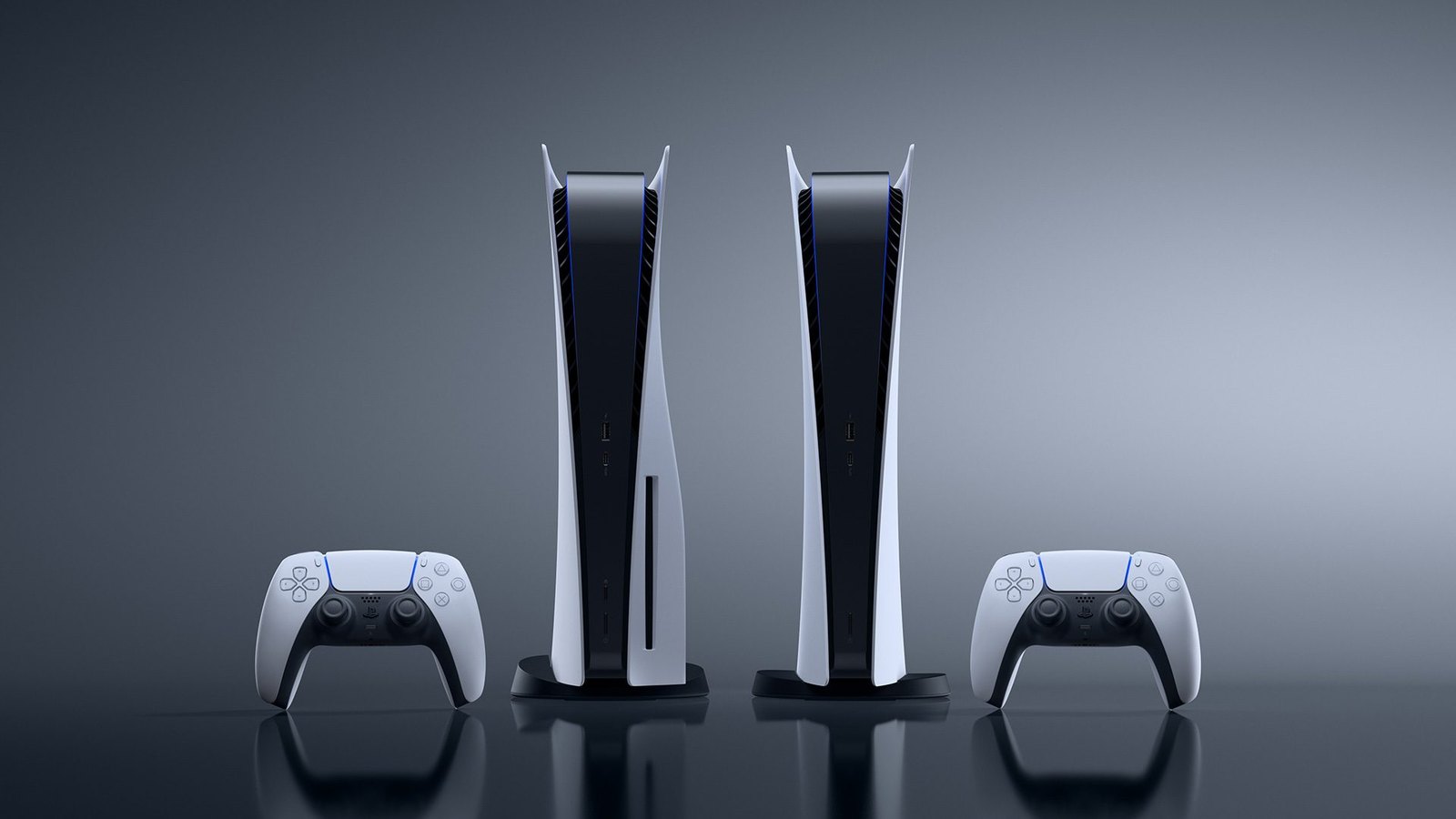
Sony Interactive Entertainment and Microsoft are pushing back against proposed class-action lawsuits seeking tariff-related refunds for PlayStation and Xbox buyers in the United States. Both companies have asked federal courts to reject claims that consumers are entitled to part of the money console makers may recover after U.S. tariffs imposed in 2025 were ruled unlawful. Their central argument is that customers voluntarily purchased consoles at advertised prices and received the products they paid for.
The disputes follow a February 2026 U.S. Supreme Court ruling that found the tariffs imposed under the International Emergency Economic Powers Act were not authorized by that law. Companies that paid those duties subsequently began pursuing refunds from the U.S. government. Consumers then filed lawsuits arguing that businesses which raised prices while the tariffs were in place should not be able to retain both the higher consumer revenue and refunded tariff payments.
Sony faces consolidated litigation in the U.S. District Court for the Northern District of California. Plaintiffs Amorey Walker and Bryce Foster-Quarles allege that PlayStation customers effectively absorbed tariff costs through higher hardware prices and argue Sony would receive a double recovery if it retained government refunds. The proposed class seeks compensation for U.S. customers who purchased affected PlayStation products after Sony increased PS5 prices.

Sony has rejected the premise that the plaintiffs suffered a legally recognizable injury simply because the company may later receive tariff refunds. Its lawyers argue that consumers agreed to pay market prices for products and received those products as advertised. Sony also disputes the allegation that tariffs can be directly linked to its console price increases, pointing to other possible factors including inflation, currency movements, component expenses, logistics costs, competition and demand.
The company has also pointed to subsequent PlayStation price increases as evidence against the plaintiffs’ theory. Sony argues that if tariffs had been the determining cause of earlier price changes, console prices would logically have fallen once those tariffs were invalidated rather than increasing again. No judge has yet accepted or rejected that argument, and the underlying allegations against Sony remain unproven.
The dispute adds another consumer-focused legal issue involving PlayStation after Sony separately argued in litigation that digital PlayStation purchases provide licenses rather than ownership. The tariff case concerns physical hardware pricing rather than digital purchases, but both disputes involve questions about what legal obligations Sony owes customers after a transaction has taken place.
Microsoft is making a similar defense in Hastings v. Microsoft Corporation, a proposed class action pending in federal court in Washington. Plaintiff Trevor Hastings alleges Microsoft increased Xbox prices while tariffs were in effect and could now receive government refunds without returning any of the alleged tariff-related increase to customers. The lawsuit seeks restitution and other monetary relief, but Microsoft denies that the consumer transactions created any obligation to distribute subsequent refunds.
Microsoft argues there was nothing unjust about a customer purchasing an Xbox at its stated price and receiving the console they ordered. Its lawyers also say the complaint does not establish a specific amount of any Xbox price increase attributable to tariffs, rather than other market factors. Microsoft has asked the court to dismiss the case and has also raised arbitration arguments as part of its response.
Nintendo is facing similar litigation, making the issue broader than just Sony and Microsoft. The company has likewise argued that customers voluntarily decided whether Nintendo’s listed prices were worth paying, while Nintendo has separately pursued the U.S. government over tariff refunds. Together, the cases could help determine whether consumers have any legal claim to refunded duties when companies previously increased retail prices during a tariff period.
The plaintiffs’ position is effectively that manufacturers should not be allowed to recover the same tariff burden twice: once through allegedly higher prices charged to consumers and again through government reimbursement. The companies dispute both that characterization and the assumption that specific console price increases can be directly traced to the tariffs. Those questions remain contested allegations rather than established findings.
For now, PlayStation and Xbox owners should not expect automatic refunds from either company as a result of the tariff ruling. The courts have not yet ruled that Sony, Microsoft or Nintendo must return money to consumers, and the proposed class actions remain ongoing. The companies are instead seeking to have the cases dismissed before the refund claims can proceed further.
