


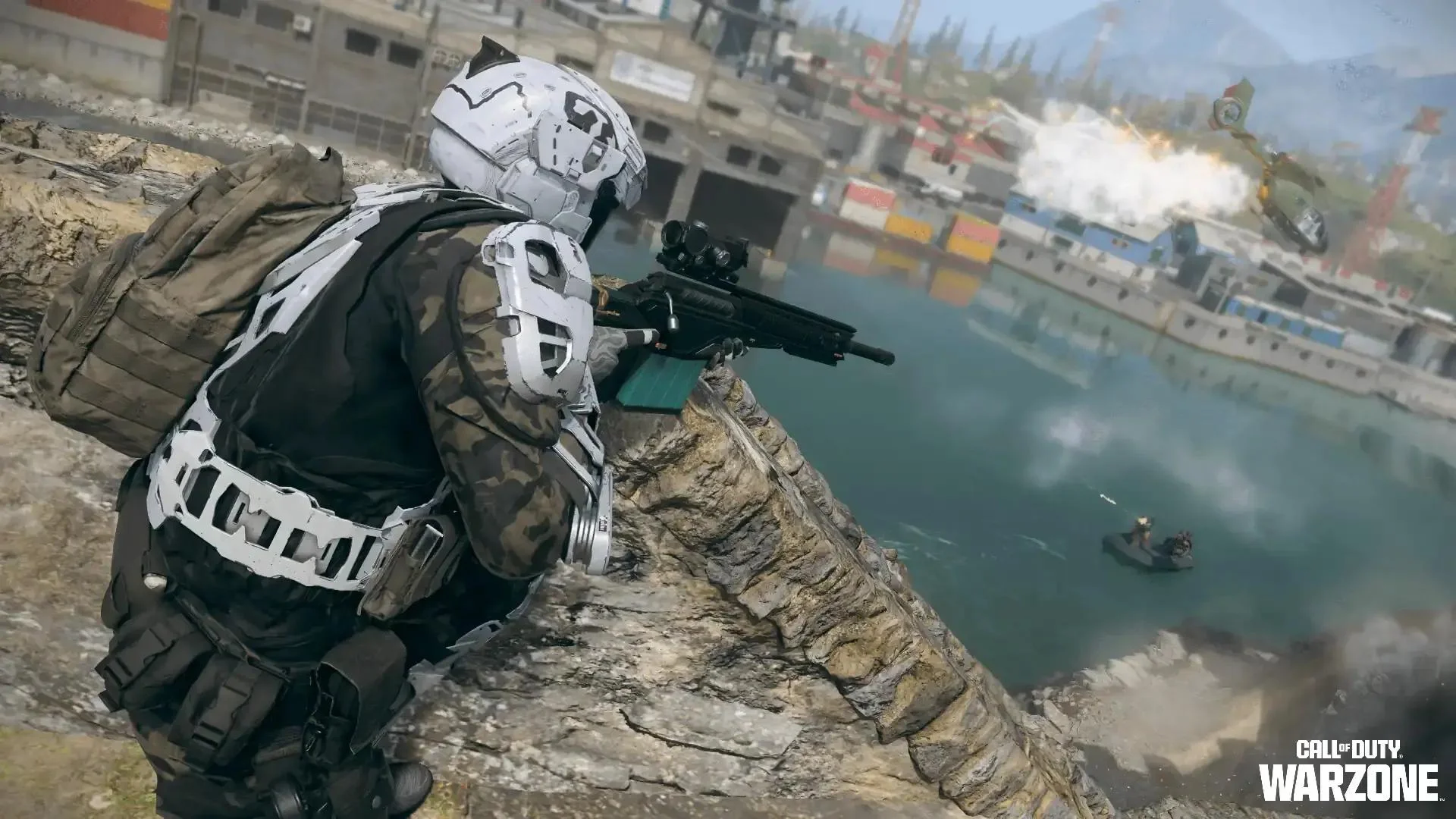
Call of Duty developers have confirmed that RICOCHET Anti-Cheat mistakenly issued former professional player Matthew “FormaL” Piper a permanent ban during the Modern Warfare 4 beta. The ban was quickly reversed, with the official Call of Duty community account later explaining that FormaL’s account had been flagged because of an unusual overlap between separate anti-cheat detections. The team says the underlying problem that caused the false positive has since been fixed.
FormaL received the permanent-ban message while playing Modern Warfare 4 live on stream. The former Call of Duty world champion had been using the Oris 8.6 Marksman Rifle when he was removed from the match and informed that his account had been permanently banned. Clips of the incident spread rapidly because of FormaL’s history as a high-profile competitive Call of Duty player and the apparent absence of any obvious cheating behavior in the footage.
After reversing the action, Call of Duty’s community team investigated what had happened. It said RICOCHET had flagged FormaL’s account during the beta because of a “unique overlap between separate detections,” rather than because developers had determined he was cheating. Activision has not publicly detailed what those individual detections were, which means the exact technical circumstances that produced the false positive remain unknown.
The admission is significant because it provides a current, directly acknowledged example of RICOCHET producing an incorrect enforcement action. Call of Duty’s developers said the beta was also serving as a test environment for their security teams, which were actively adjusting detection thresholds and reviewing results. The response indicates that some of the anti-cheat systems being evaluated during the beta were still capable of producing unexpected interactions when multiple detection methods overlapped.
RICOCHET is not a single detection tool but a broader anti-cheat initiative combining server-side analytics, investigations, detection systems, mitigations and platform security measures. On PC, Modern Warfare 4 also requires TPM 2.0 and Secure Boot for online beta access as Activision attempts to establish a more trusted operating environment. Similar security technology has become an increasingly prominent part of recent Call of Duty releases, including new anti-cheat measures introduced for the Black Ops 7 beta.
The FormaL incident occurred during Modern Warfare 4’s open beta, which ran from August 28 through September 1 after an earlier access period. Infinity Ward used the test to evaluate multiplayer maps, weapon balance, movement, Ground War content and other systems before launch. Developers made repeated adjustments during the test, including the August 31 weapon and gameplay update that changed several weapons and addressed visibility.
Anti-cheat testing was another part of that process. Call of Duty has continued investing heavily in RICOCHET while simultaneously pursuing cheat creators outside the game itself, including direct action against alleged Call of Duty cheat sellers. Those efforts make accurate enforcement particularly important, since permanent account bans carry significantly greater consequences than temporary matchmaking restrictions or other mitigations.
FormaL’s case also demonstrates why beta testing can matter for automated enforcement systems. A detection system may correctly identify suspicious individual signals while still producing an incorrect result when several systems interact in an unforeseen way. Call of Duty has not said whether any additional accounts were affected by the same overlap, so there is currently no evidence that the problem resulted in a wider wave of false permanent bans during the MW4 beta.
The developers’ response does, however, establish that FormaL’s ban was an error rather than a legitimate cheating enforcement that was later overturned as a courtesy. His account was restored after the incident, and Call of Duty says the specific underlying issue responsible for the detection overlap has been addressed. The team also indicated it will continue reviewing anti-cheat thresholds and beta data.
Modern Warfare 4 is scheduled to launch on October 23, 2026. With the beta now concluded, Infinity Ward and the RICOCHET team have several weeks to incorporate gameplay and security findings before release, and FormaL’s false permanent ban has already resulted in at least one anti-cheat issue being identified and fixed.
