


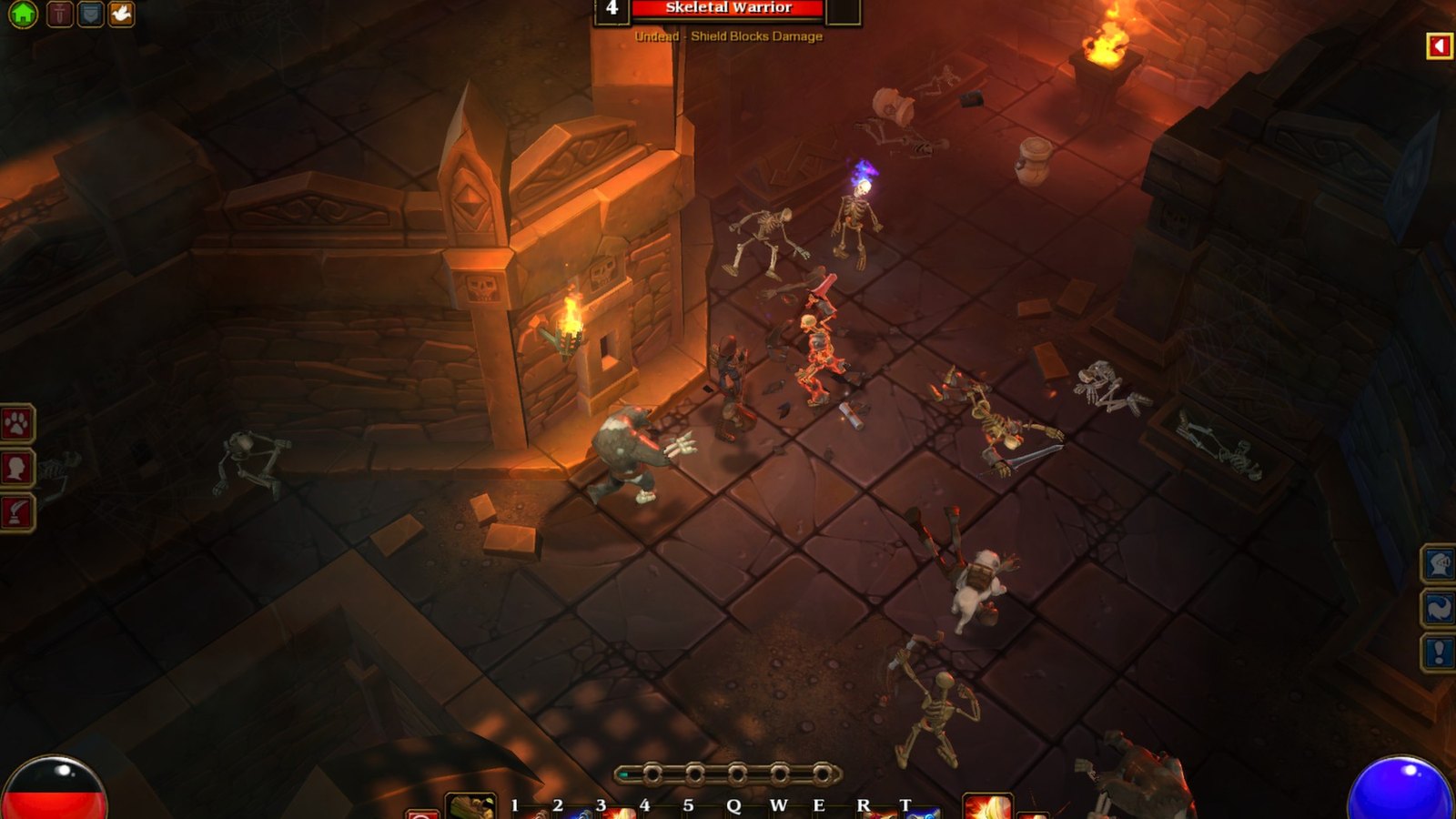
Torchlight II is receiving a new round of updates more than 14 years after its original release, with publisher XD INC introducing native Linux and Steam Deck support, controller improvements, WASD movement and additional graphics settings. The classic action RPG is being modernized through a separate public beta branch, with its developers also acknowledging the use of AI-assisted programming tools to help maintain the aging game.
The latest update arrived on October 30, 2026, following an earlier beta announcement on October 22. Both releases were detailed through official Torchlight II Steam announcements, confirming that the modernization effort extends beyond minor bug fixes to include substantial changes to controls, multiplayer functionality and platform compatibility.
Originally developed by Runic Games and released in September 2012, Torchlight II has remained available on modern PCs despite the closure of its original developer in 2017. XD INC, which acquired the Torchlight intellectual property in late 2025, is now responsible for maintaining the game and introducing further technical improvements.
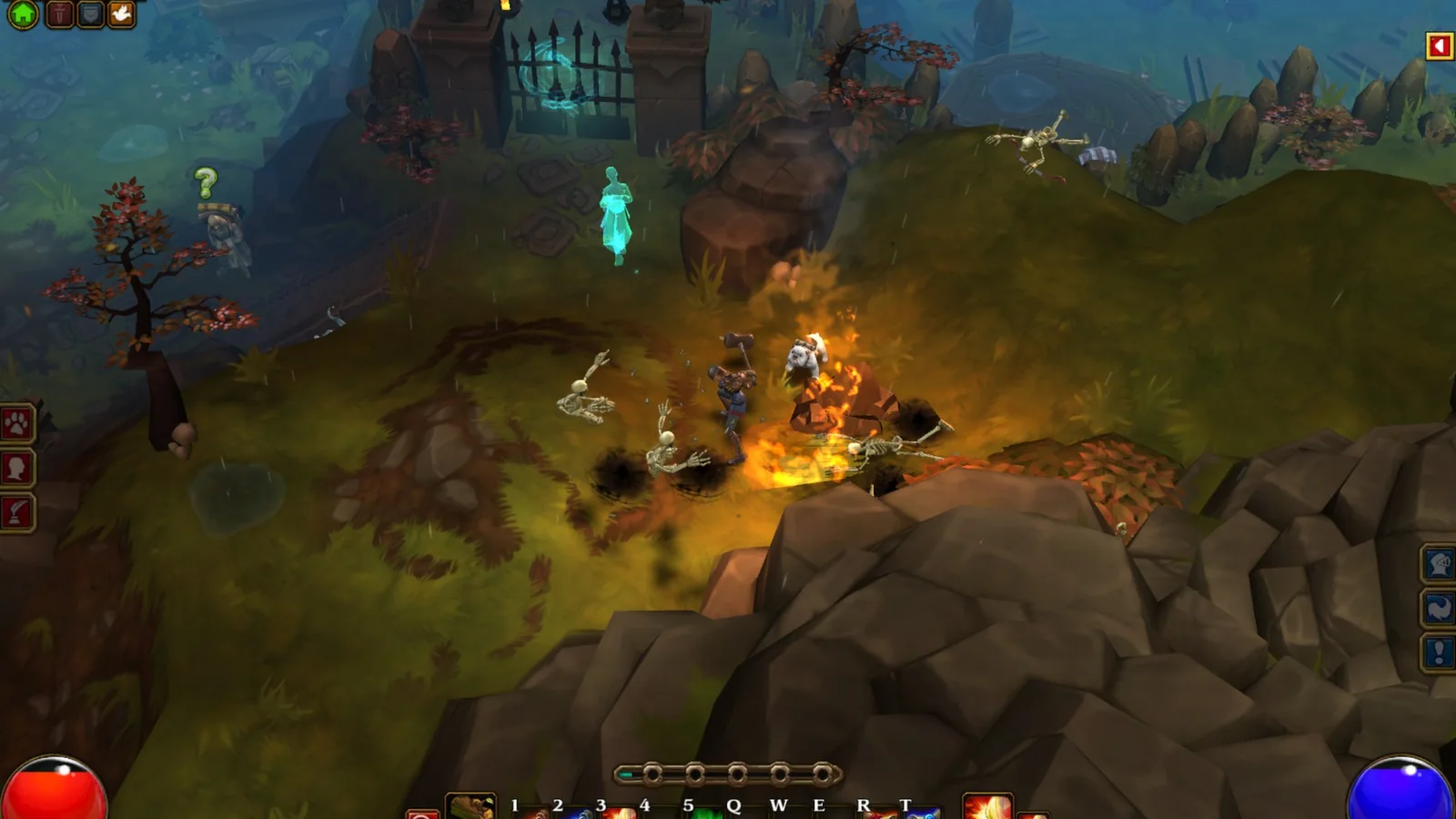
The October 30 beta update adds Linux compatibility and Steam Deck support alongside several new control options. Players can now use WASD keys to move their characters, providing an alternative to the traditional mouse-driven movement system associated with PC action RPGs.
Controller functionality, introduced for Windows and macOS in the earlier beta, has also received additional fixes. These address crashes when closing another player’s information panel during multiplayer sessions, incorrectly displayed item icons in the trading interface and text that could extend beyond its intended boundaries in certain menus.
The changes are particularly relevant to handheld PC users, where controller-friendly interfaces and input methods can make older games more accessible. Torchlight II joins other PC games receiving improvements for portable hardware, including 3dSen 2.0's Steam Deck and rendering updates.
The latest beta also introduces directional audio improvements and an optional surround-sound setting, allowing audio output to better reflect the positions of objects within the game world. However, the developers confirm that this particular functionality is not currently available on Linux.
Mouse controls have been refined to address an issue where rapid pointer movement could cause clicks to register at incorrect positions. Interaction prompts for objects such as fishing spots and shrines have also been adjusted to prevent overlapping prompts when switching between targets.
Windows players receive additional technical improvements, including more efficient reuse of Direct3D 11 rendering states to reduce redundant graphics API requests. Another fix addresses multiplayer disconnections and crashes that could occur when multiple game clients operated on the same local network.
On macOS, the update introduces HDR highlight settings for compatible displays using the Metal rendering mode, allowing spells and other glowing effects to display brighter highlights.
These improvements build on the October 22 beta, which introduced render scaling and FXAA anti-aliasing options, updated older software dependencies and optimized map-loading logic. The earlier release also added OpenGL ES 3 rendering support on macOS through ANGLE and Metal.
The expanded graphics and control options reflect a broader effort to keep older PC games functional on modern systems. Similar modernization work has accompanied the return of Ecstatica and Ecstatica II, which received updated display options and controller support for contemporary hardware.
One of the more significant changes concerns Torchlight II’s multiplayer authentication system. A previous service transition introduced TapTap.io account requirements, prompting discussion among existing players. The new beta removes that requirement and enables automatic Steam-based login using Steam’s friends system.
The developers clarify that friends associated with existing TapTap.io accounts will not automatically transfer to Steam friends lists, although those connections remain stored with the original accounts.
Importantly, the October 30 announcement states that the default game branch still uses TapTap.io authentication while Steam-based login changes continue testing. Players therefore need to distinguish features available in the beta from those already deployed to the standard version.
The development team has also addressed the role of artificial intelligence in the modernization effort. In its October 22 announcement, the team explained that the game’s complex legacy code creates difficulties for maintenance and restructuring, while newer AI-assisted coding tools have expanded its ability to review that code and investigate longstanding issues.
The statement confirms that AI-assisted tools are part of the development process, but does not establish that the updates were independently written, tested or validated by AI. The developers specifically emphasize continued quality assurance and compatibility testing before further changes are introduced.
Existing modifications remain another consideration. XD INC acknowledges that some community-created mods may encounter problems with the updated beta because of changes to the game’s underlying systems. Compatibility with every existing mod is not guaranteed, and players are encouraged to report issues.
The public beta remains optional and does not automatically replace the standard Steam release. Players interested in testing the new features can open Torchlight II’s Properties menu in their Steam library, navigate to Betas and select the public_beta branch. Steam will then download the appropriate files.
The developers intend to maintain the beta separately while continuing to investigate bugs, compatibility issues and further improvements. No confirmed date has been announced for bringing the complete collection of beta features to the default version of Torchlight II.
