


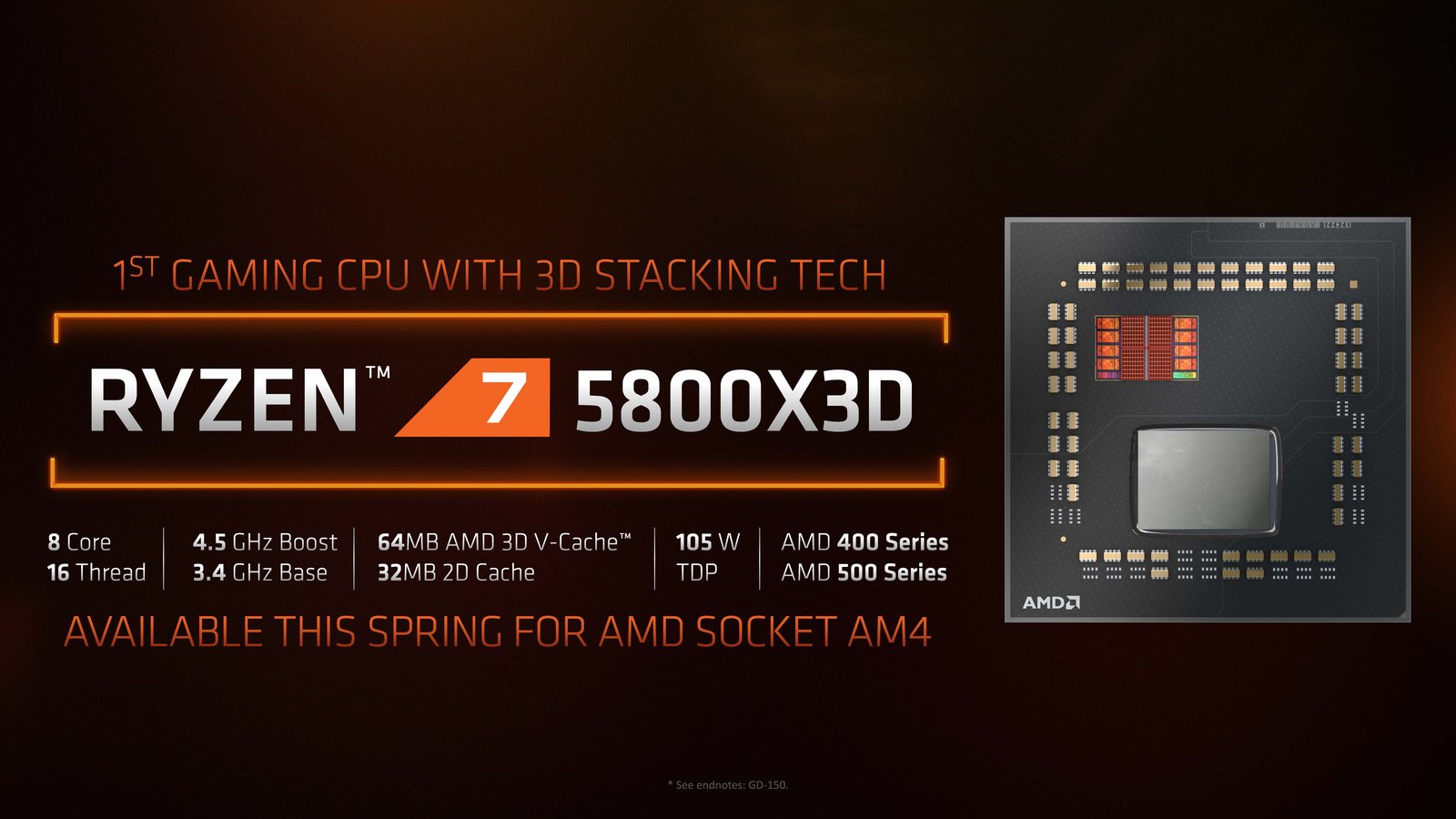
A PC gamer who bought a second-hand Ryzen 7 5800X3D says they were blocked from playing Valorant because the processor had previously been associated with a Vanguard hardware ban. The case was first described by a German Reddit user, who said the CPU itself worked normally after purchase but Valorant immediately removed them from the game. Riot’s head of anti-cheat later responded publicly and clarified that Vanguard hardware bans are temporary and game-specific, while disputing some of the buyer’s broader claims.
The buyer said they purchased the Ryzen 7 5800X3D through German classifieds site Kleinanzeigen and had owned it since September 21. According to their account, Valorant had worked normally with their previous processor, but stopped working as soon as the used AMD chip was installed. The buyer said Riot support told them the processor had been associated with a hardware restriction dating back to August 12, before they acquired it.
That would make the case particularly relevant to people buying second-hand gaming hardware, although the exact mechanism remains unclear. Riot does not publicly document which specific identifiers Vanguard uses to associate individual PC components with an enforcement action, and the available evidence does not prove that the CPU alone caused the restriction. It does, however, show why used components can potentially carry an unexpected software-related history even when the hardware itself is fully functional.

The buyer also claimed that installing the processor caused other components, including the motherboard and storage drive, to become blacklisted. That part of the story was challenged by Phillip Koskinas, Riot Games’ head of anti-cheat, who said Vanguard does not simply add every other detected component to a denylist after matching one piece of hardware. He also said Riot support can provide the remaining duration of a hardware ban when contacted.
Koskinas clarified that Riot’s hardware bans last a maximum of four months and apply only to the game in which cheating was detected. His response is important because some early reports about the case suggested that the restriction could permanently contaminate an entire system or affect every Riot title. Riot’s public explanation does not support that broader interpretation.
The case therefore appears narrower than some initial retellings implied. A used component can apparently be associated with an active Vanguard hardware restriction, but Riot says those bans expire and are not automatically propagated across every installed part. There is also no publicly available consumer tool that lets a buyer check whether a second-hand CPU, motherboard or other component is currently associated with an active Vanguard enforcement before purchasing it.
That creates an unusual risk for the used PC hardware market. Buyers generally inspect processors for bent pins, instability, thermal issues or signs of physical damage, but an anti-cheat restriction is not something that can be identified through ordinary stress testing. A processor can perform perfectly in benchmarks and everyday workloads while still being tied to an active enforcement record in a game protected by hardware-level anti-cheat.
Riot has increasingly relied on Vanguard across its competitive games to combat cheating and manipulation. The company recently said Vanguard had been involved in penalizing nearly 300,000 League of Legends and Valorant accounts for boosting and other forms of ranked manipulation. Hardware bans are intended to make it harder for repeat offenders to return immediately using a fresh account.
For buyers, the practical takeaway is that a second-hand gaming component may carry more than ordinary reliability risks, particularly when anti-cheat systems use hardware fingerprints as part of enforcement. At the same time, the Ryzen 7 5800X3D case should not be treated as proof that used CPUs commonly trigger Valorant bans, nor that a banned processor permanently blacklists an entire replacement PC. Based on Riot’s clarification, any such restriction should be temporary, game-specific and subject to a remaining-ban period that support can disclose.
