


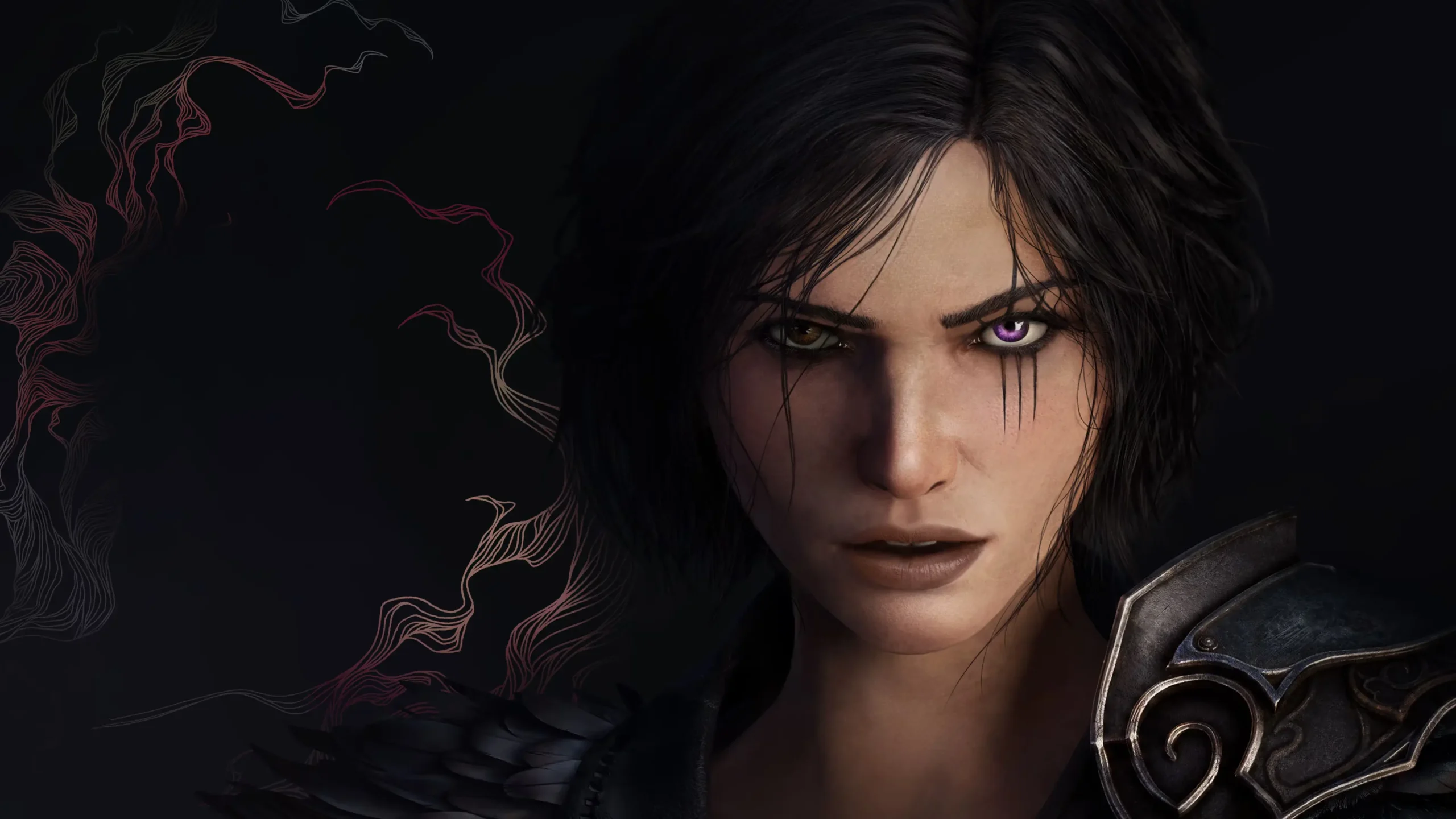
Warlock: Dungeons & Dragons is building its open-world gameplay around flexible spell combinations, environmental experimentation and quests that ask players to investigate rather than simply follow waypoints.
Xbox Wire saw the game in a hands-off Gamescom 2026 presentation from developer Invoke Studios, offering a closer look at how protagonist Kaatri can use magic across combat, exploration and puzzle-solving.
The core idea is that spells are not restricted to a single predetermined function.
A telekinesis ability, for example, was shown being used to throw scenery at enemies, turn a boulder into protection against an arrow trap and pull water from a pond to extinguish a fire.
That same spell could also be combined with Black Tentacle to create a new way across a chasm.
Other abilities could have solved those situations differently.
Kaatri can use Eldritch Blast offensively, Misty Step to bypass hazards and Otherworldly Leap to cross gaps. Invoke Studios is designing the game around allowing players to discover their own solutions rather than forcing one specific spell or route.
That philosophy extends into combat.
Warlock mixes spellcasting with melee attacks, although the latest demonstration puts much of the emphasis on magic and how abilities interact with the environment.
One sequence showed Kaatri using a Ritual called Downpour to transform clear weather into a storm.
Instead of then casting Witch Bolt directly at nearby enemies, she targeted a metal pole behind them. The rain made the environment conductive, allowing electricity to spread through the group.
Rituals consume resources but can alter conditions across the world, giving players another layer of preparation before fights or exploration.
Kaatri can also summon otherworldly melee weapons, with each designed to provide different tactical advantages.
Invoke Studios says encounters are intended to test creativity and preparation as much as straightforward combat skill.
The same approach appears in Warlock’s quest structure.
The developer told Xbox Wire that players will not simply receive waypoint markers directing them from one story objective to the next.
Instead, Kaatri will need to speak with characters, gather information and pay attention to unusual details in the environment.
During the Gamescom demo, she entered a town and investigated what had happened by talking to villagers.
A set of bloody drag marks eventually led toward an open doorway, but the clue was not prominently highlighted. Players apparently need to approach and notice these kinds of environmental details themselves.
Finding that particular clue opened what Warlock calls a Mystery.
Mysteries function as the game’s sidequest-style activities and are structured around collecting information and exploring rather than moving between a sequence of clearly marked objectives.
Warlock: Dungeons & Dragons is a third-person, single-player action-adventure set in a dark fantasy open world inspired by D&D.
Players control Kaatri, a veteran swordmaster who gains Warlock abilities after forming a pact with a powerful and potentially untrustworthy patron.
Invoke Studios officially revealed the game in December 2025 and showed its first gameplay during Gamescom Opening Night Live 2026.
The studio describes the world as exploration-driven, with spells, rituals and forbidden magic designed to let players manipulate situations in ways that go beyond standard combat abilities.
The game is being developed by Invoke Studios and published by Wizards of the Coast.
Warlock: Dungeons & Dragons is scheduled to launch in 2027 for Xbox Series X|S, PlayStation 5 and PC.
The Gamescom demonstration makes its central design goal increasingly clear: rather than giving every obstacle one intended magical answer, Invoke Studios wants players to combine abilities, environmental effects and their own observations to create solutions the game does not necessarily spell out for them.
