


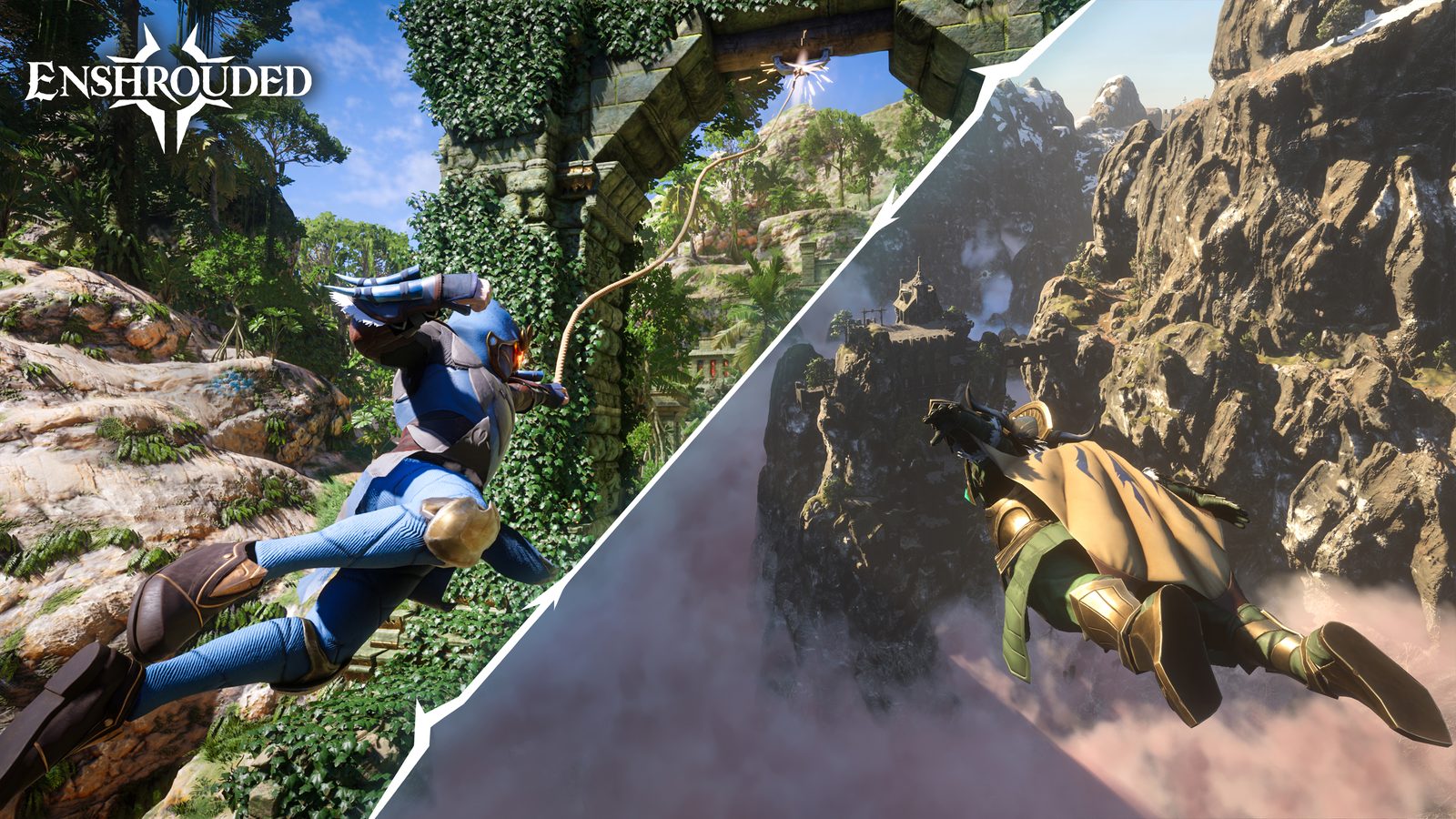
Enshrouded has officially left Early Access, with developer Keen Games releasing version 1.0 of its survival action RPG on October 15, 2026. The full release unlocks the remaining areas of Embervale, concludes the game’s main storyline, expands character progression and introduces substantial improvements to building, combat and graphics. The game has also received Steam Deck Verified status, making its full launch particularly relevant to handheld PC players.
Keen Games confirmed the release through an official announcement accompanied by a highlights video and extensive patch notes. The update marks the end of the game’s Early Access period, which began in January 2024, and brings major changes for both returning players and newcomers.
The largest content addition is Cinder’s Cradle, a new northern region accessible beyond the previously restricted areas near Veilwater Basin. The biome combines lava-covered wastelands and ancient ruins with floating islands, unusual creatures and powerful guardians. Players can explore these environments while progressing through the final chapters of the game’s central storyline.
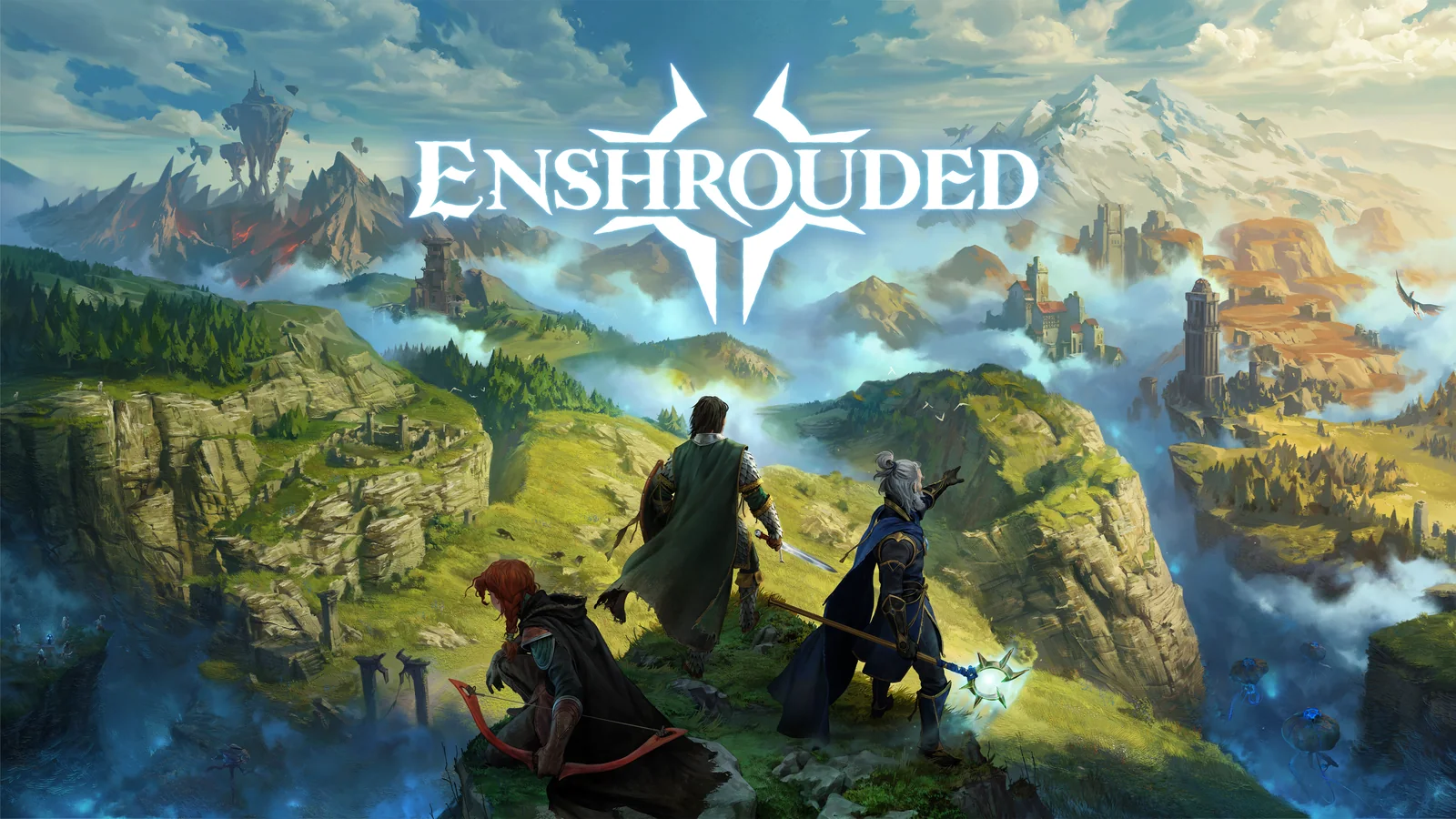
The update also opens two new Hollow Halls in the Albaneve Summits and Veilwater Basin. Additional explorable locations, quests and points of interest have been introduced across existing regions, including Springlands, Blackmire and Kindlewastes.
With the remaining map now accessible, players can discover the secrets behind the Ancients and the Shroud corruption. Keen Games describes version 1.0 as the conclusion of Embervale’s current main storyline, although the game’s world continues to contain threats following its conclusion.
Character progression has expanded considerably. The maximum player level increases to 50, while equipment can now reach level 55. Players can also unlock additional Flame progression, increase their number of Flame Altars and access a new tier of crafting materials, weapons, equipment and consumables.
Combat receives numerous additions, particularly for magic-focused characters. The update introduces nine new spell types, including crowd-control abilities, area-of-effect attacks, summons and utility spells. Eternal variations are now available for all spells in the late game, while new necromancy abilities allow players to summon skeletons during combat.
Wands receive additional attack options, including heavy attacks and unlockable evasive and aerial moves. Keen Games has also improved ranged targeting, enemy navigation and character movement animations. The update introduces 14 enemy types associated with the new faction in Cinder’s Cradle, alongside additional variants across existing factions.
Building is another major focus of version 1.0. The new Sparkworks logic system allows players to connect switches, pressure plates and other triggers to interactive objects. This makes it possible to construct automated doors, traps, puzzles, obstacle courses and custom combat encounters within player-built environments.
A new free-flying building ability makes construction in difficult locations easier, while storage chests can now be upgraded without emptying their contents. Additional furniture, decorations, building materials and environmental objects further expand the game’s construction options.
The full release also introduces significant visual and performance changes. Keen Games has implemented a new rendering system called the brick renderer, designed to preserve more terrain and voxel-building detail across long viewing distances. Large structures should consequently maintain their appearance more effectively when viewed from afar.
Lighting has also been improved through changes to dynamic global illumination, point-light shadows and environmental atmosphere. Individual biomes now feature more distinct lighting and weather-related visual characteristics, while HDR support has been added for compatible displays.
According to the developer’s patch notes, engine optimizations also reduce memory requirements and improve CPU and GPU efficiency. Shader compilation times following game updates or graphics driver installations have been reduced. Keen Games has not provided universal performance improvement percentages, so actual results will depend on hardware and settings.
Alongside these changes, Enshrouded now carries Steam Deck Verified status. This indicates that the game meets Valve’s compatibility requirements for the handheld, including expectations around controls, display readability and general functionality. Verification does not guarantee a particular frame rate in every location, especially in demanding late-game environments.
The update arrives as Steam Deck support continues to expand across PC games. Valve’s handheld has also been highlighted in other applications, including Airbus using a Steam Deck to control an ExoMars rover prototype during testing.
Several quality-of-life improvements accompany the new content. Main crafting survivors and major quest-giving characters now feature voice acting, while discovered books, letters and lore notes can be played as narrated audio in English, German and Mandarin Chinese.
Players can also enable automatic collection of certain nearby loot, customize character proportions, rename storage chests and map markers, and use an improved fishing system. Early-game exploration and crafting progression have been adjusted to provide more rewards and reduce unnecessary grinding.
Existing Early Access owners do not need to purchase Enshrouded again to access version 1.0. Keen Games has confirmed that existing save files remain compatible, although they are converted to a newer save format when loaded.
Returning players should also be aware that their character skill trees are reset when an existing save is first loaded in version 1.0. Previously earned skill points must therefore be allocated again.
The developer has already released post-launch hotfixes addressing crashes, lighting issues and world configuration problems. Version 1.0 represents the game’s transition to a complete release while retaining the solo and cooperative survival gameplay, exploration and voxel-based building systems established during Early Access.
