


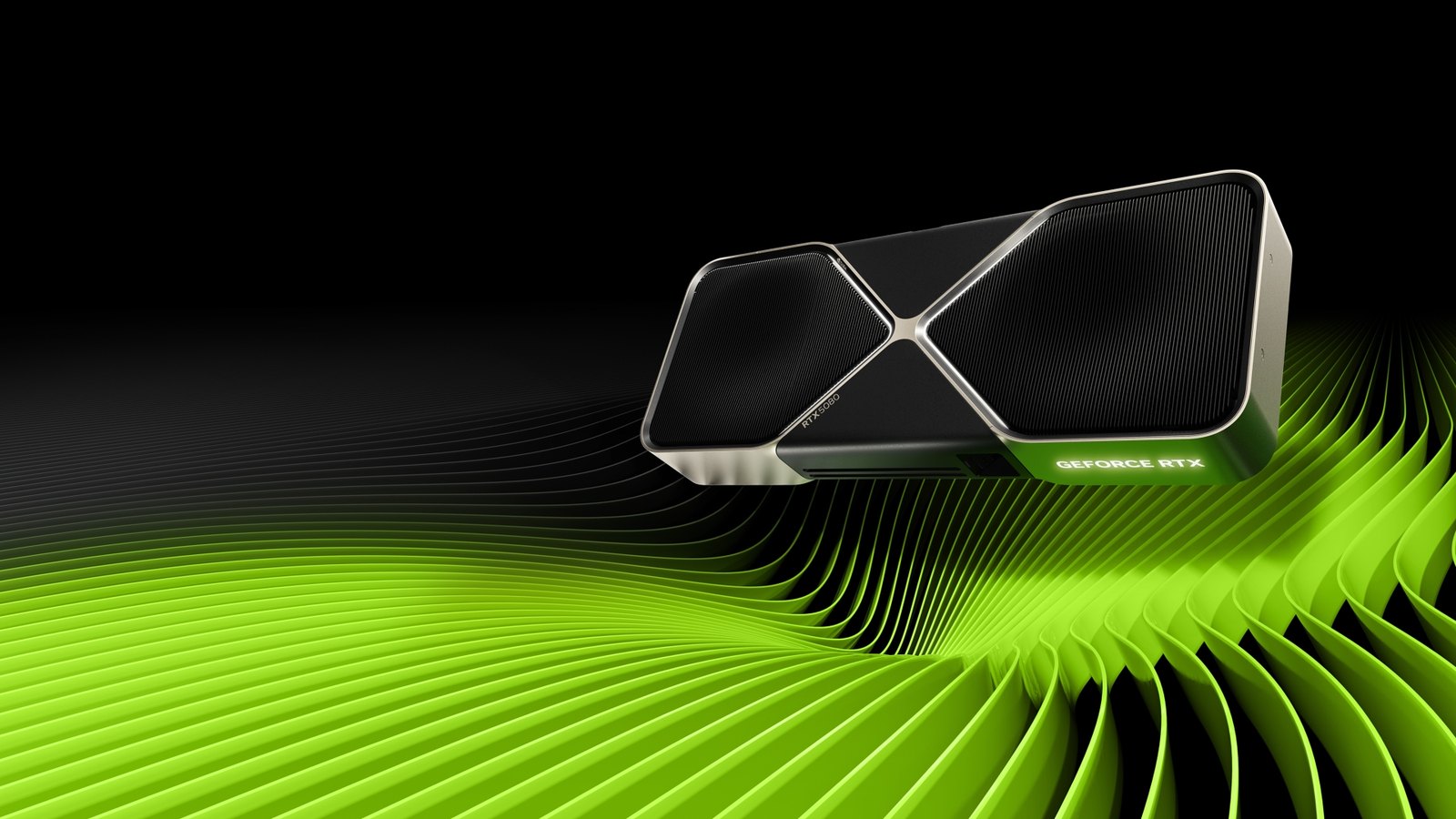
NVIDIA’s GeForce RTX 5080 is now selling for nearly $2,000 at major US retailers, almost twice its original $999 launch price. An October 28 retail pricing investigation by VideoCardz identified available graphics cards starting at $1,979.99, highlighting a sharp increase in the cost of upgrading to NVIDIA’s high-end Blackwell gaming GPU.
The RTX 5080 launched in January 2025 with a suggested retail price of $999. However, current listings at Micro Center and Best Buy show that buyers may need to spend approximately $1,000 more than that original price to purchase certain models with confirmed availability.
VideoCardz examined listings from Micro Center, Best Buy, Central Computers, Newegg and other US retailers. Its comparison included only new graphics cards with confirmed inventory or an active purchase option, excluding sold-out products, backorders, refurbished cards and unverified marketplace listings.
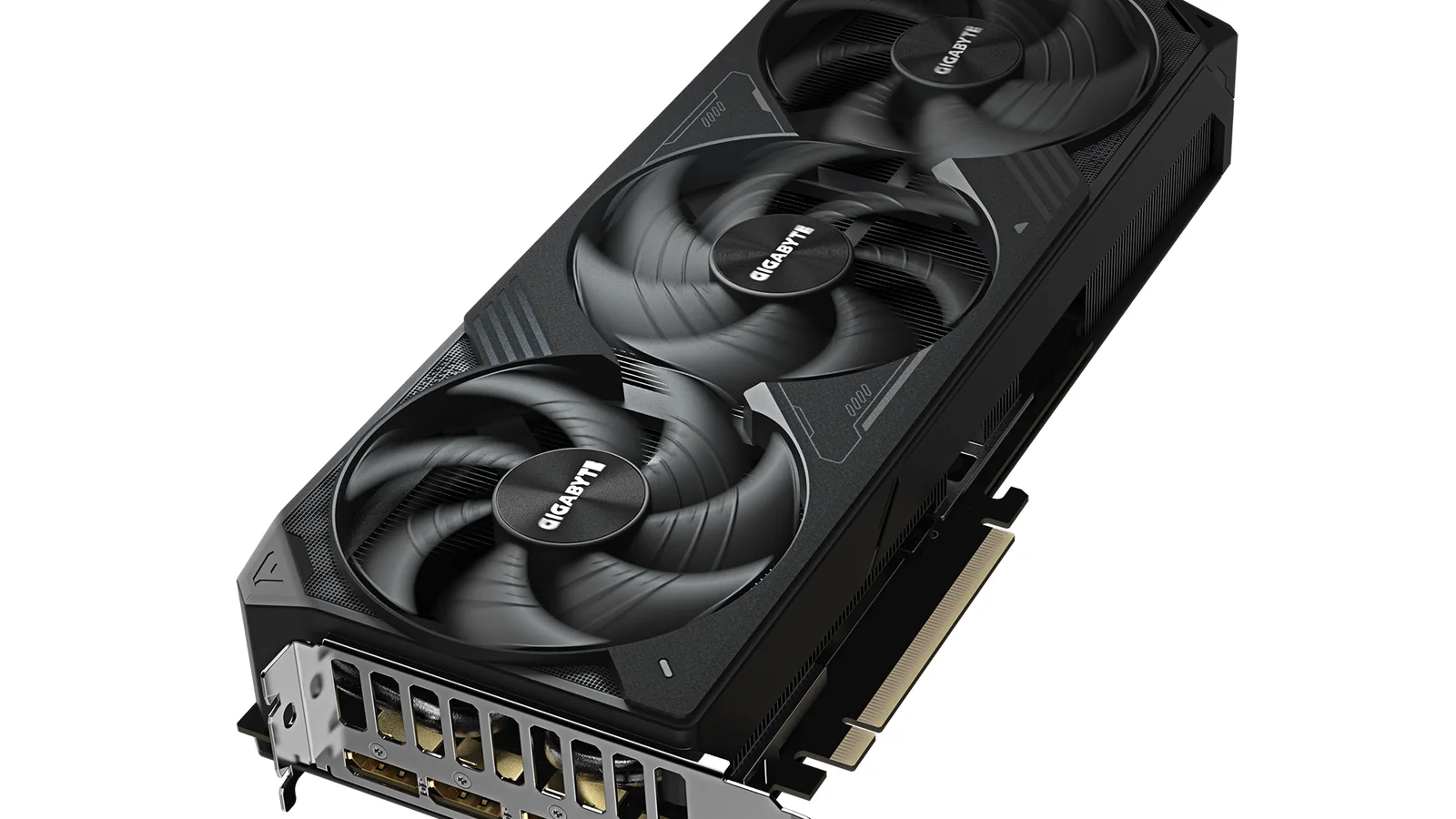
At Micro Center, the Gigabyte GeForce RTX 5080 WINDFORCE SFF OC and MSI GeForce RTX 5080 SUPRIM LIQUID SOC were both listed for $1,979.99. These were the lowest verified prices in the investigation, although availability was restricted to local pickup at selected stores rather than nationwide shipping.
Micro Center’s listing for the Gigabyte WINDFORCE SFF OC also independently confirms the $1,979.99 price, with the product marked as available for in-store purchase.
Best Buy offered the PNY GeForce RTX 5080 Triple Fan OC for $1,999.99 with an active online purchase option during the investigation. This made it the lowest verified online offer in VideoCardz’s comparison, although GPU prices and availability can change quickly.
Prices also vary considerably between models. Micro Center listed the ASUS ROG Astral RTX 5080 OC for $2,079.99, while the ASUS Prime RTX 5080 OC was priced at $2,349.99. The latter costs $270 more despite being positioned below the ROG Astral in ASUS’s graphics card lineup.
The lowest verified $1,979.99 listing represents a 98.2% increase over NVIDIA’s original $999 MSRP. The $1,999.99 Best Buy offer is approximately 100.2% higher than the launch price.
These retail prices also place the RTX 5080 close to the RTX 5090’s original $1,999 launch MSRP, despite the two graphics cards occupying different performance tiers.
The increase has accelerated in recent months. Hardware analyst Josh Walrath noted on October 27 that typical RTX 5080 pricing had risen from around $1,200 to approximately $2,200 over two months, although prices vary by retailer and model.
The broader graphics card market has also experienced substantial availability and pricing pressure. In Germany, RTX 5090 retail shortages and sharply elevated prices have made NVIDIA’s flagship gaming GPU increasingly difficult to purchase at anything resembling its original MSRP.
NVIDIA has separately acknowledged RTX 5090 supply constraints while denying that the graphics card has been discontinued, although that confirmation does not establish the reason for the RTX 5080’s latest price increases.
GDDR7 memory availability and broader component costs have been cited as possible contributors to rising graphics card prices. Reports concerning changes to Micron's 2GB GDDR7 memory production add uncertainty surrounding the supply of memory components used in current-generation graphics cards.
However, NVIDIA has not provided a confirmed explanation linking the latest RTX 5080 retail prices to a specific production reduction, memory shortage or manufacturing decision. The observed pricing increases are verifiable, but their precise causes remain uncertain.
For PC gamers considering an upgrade, the distinction between advertised prices and actual stock is particularly important. NVIDIA’s RTX 5080 Founders Edition remains listed at its original $999.99 price at Best Buy, but the listing is marked sold out. That price therefore does not represent an immediately available purchase option.
The October 28 findings demonstrate how far available RTX 5080 retail offers have moved above NVIDIA’s launch pricing, with confirmed listings approaching $2,000 and several premium models exceeding that figure.
