


Former Xbox chief operating officer Helen Chiang has publicly denied allegations that she was dismissed from Microsoft for violating company policies. In a LinkedIn statement published on November 2, 2026, Chiang disputed earlier reporting about her abrupt departure and expressed serious concerns about how workplace standards were applied in her case.
The statement follows Chiang's departure from Microsoft on October 23, just three months after she became Xbox’s first chief operating officer. Her exit came after 21 years at Microsoft, including several years overseeing the Minecraft franchise.
In her LinkedIn post, titled “Clarity is Kindness,” Chiang directly addressed claims that she had been dismissed for misconduct.
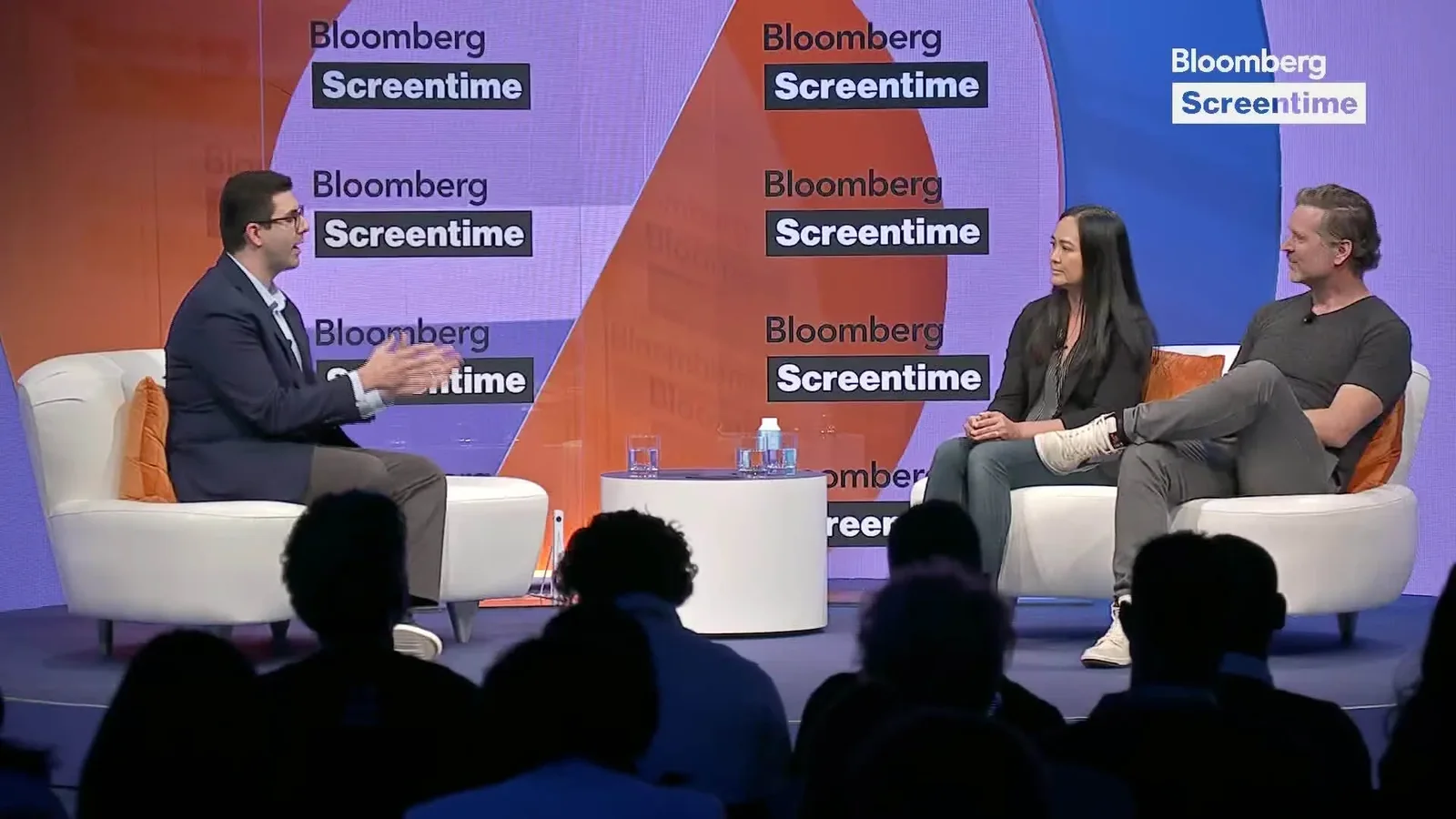
“There has been some speculation about my abrupt departure from Microsoft, including claims that I was ‘fired for a policy violation’. That’s not accurate,” Chiang wrote.
She added that she did not want her silence to be interpreted as agreement with the allegations circulating about her departure.
The original allegation emerged from Eurogamer’s reporting in October. The publication cited a source familiar with the situation who claimed Chiang had been terminated for policy violations. Eurogamer explicitly acknowledged that it had been unable to independently verify the allegation.
Microsoft did not publicly provide a reason for Chiang’s departure. The company previously declined to discuss individual personnel matters, instead thanking her for her contributions.
Chiang’s new statement represents her first detailed public response to those claims.
Beyond rejecting the general allegation of policy violations, Chiang addressed several specific forms of misconduct that she said had been associated with speculation surrounding her exit.
She explicitly denied leaking confidential Microsoft information to journalists, stating that she had never communicated with reporters outside company-authorized interviews conducted as part of her professional responsibilities.
Chiang also rejected suggestions that she had departed Xbox to join a competing company. She described her longstanding loyalty to Microsoft and said that she had always intended to continue building her career within Xbox.
The former executive further denied engaging in discrimination, bullying, harassment, insider trading, embezzlement or other fraudulent activity. These denials were included in her broader response to speculation and should not be interpreted as evidence that any such conduct occurred.
Chiang also challenged suggestions that her departure resulted from frustration over not receiving a more senior position. She explained that she had not actively pursued larger roles or additional responsibilities in recent years.
According to Chiang, she had not interviewed for another job since 2011 and had not requested her promotion to Xbox COO in July 2026. Instead, she said her career progression reflected decisions about where Microsoft believed she could contribute most effectively.
The statement also raised questions about Microsoft’s handling of her departure.
Chiang emphasized the importance of fairness and accountability within organizations, arguing that workplace standards must be applied consistently.
“I have serious concerns about how they were applied in my case,” she wrote, adding that those concerns deserved serious consideration.
However, Chiang did not disclose the specific circumstances that led to her exit, identify the standards she believes were inconsistently applied or provide details of any internal dispute. Her statement therefore challenges the previously reported explanation without establishing an independently verified alternative.
Chiang’s departure had already created uncertainty around Xbox’s executive structure. She was appointed chief operating officer in July as part of CEO Asha Sharma’s broader restructuring of Microsoft’s gaming business.
The newly established position carried responsibility for coordinating operations and financial performance across Xbox content, hardware, platforms and services. Her departure left those responsibilities to be redistributed among other Xbox executives while the company determines its longer-term COO leadership arrangements.
The leadership change also comes as Microsoft pursues broader organizational changes within its gaming division, including plans to expand Battle.net and simplify Xbox publishing.
Chiang concluded her statement by thanking former colleagues and industry contacts who had offered support following her departure. She emphasized that her professional legacy should not be defined by unverified allegations.
“This is not how I ever imagined my story here would end. And it is not the whole story,” she wrote.
Although Chiang has now directly disputed the allegations, the precise circumstances surrounding her departure remain unresolved publicly. Microsoft has not established a publicly confirmed explanation that reconciles the earlier reporting with Chiang’s account.
