


Twice Circled, the independent developer behind Megaquarium, has announced Plantlife: Market Garden Simulator, a new farming and business-management game scheduled for release in Q3 2027. The upcoming title will launch on Windows, macOS and Linux, combining detailed crop cultivation with workforce management, production chains and farm optimization.
Revealed on November 2, 2026, Plantlife shifts the developer’s focus from managing aquariums to operating a market garden. Players will transform undeveloped land into a functioning agricultural business, growing crops, processing harvested produce and expanding their operations through a progression system.
The game features approximately 100 different crops, each with its own cultivation requirements. Rather than relying entirely on conventional planting and harvesting mechanics, players will need to account for the specific conditions required by individual plants.
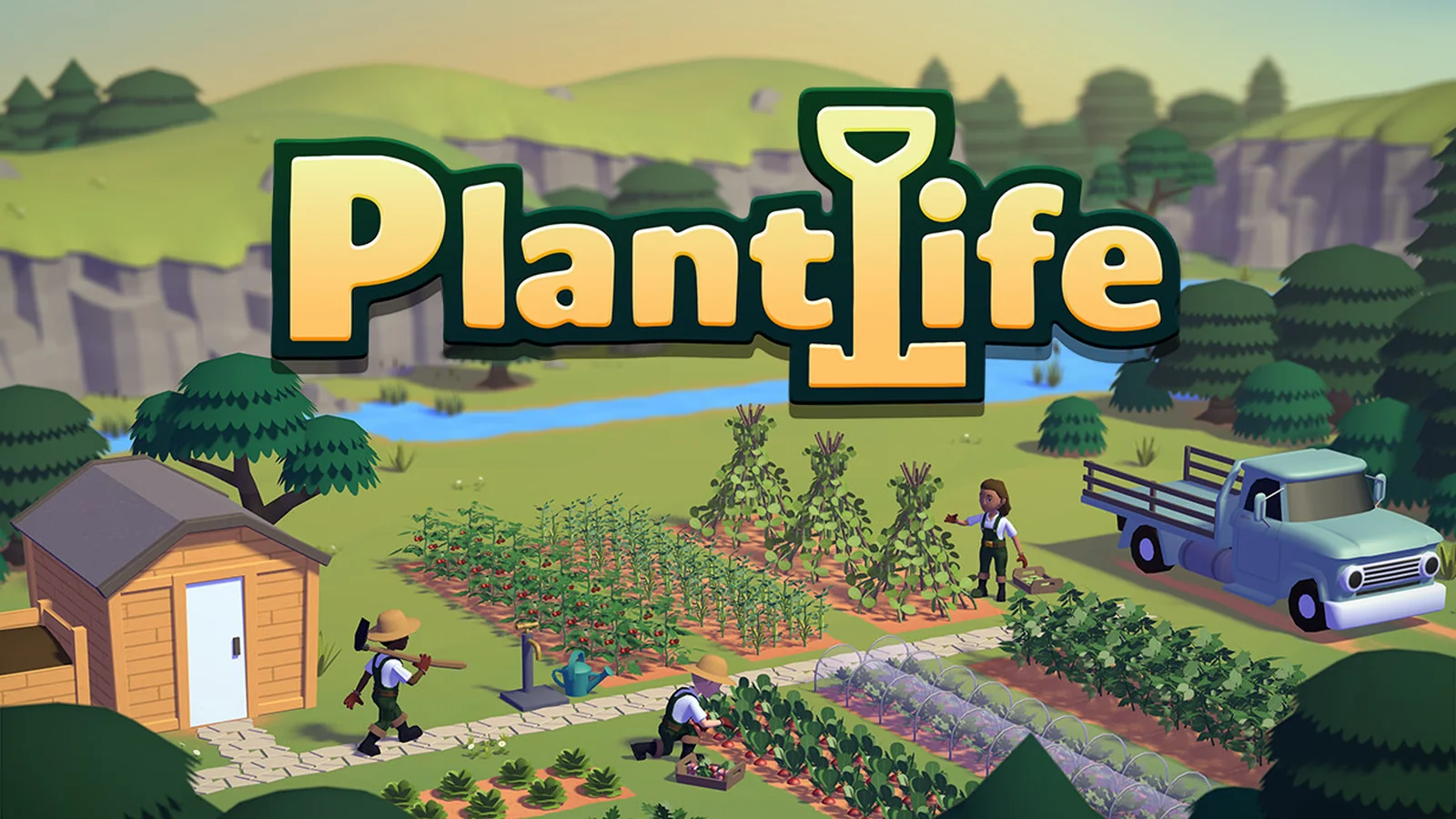
Potatoes, for example, require earthing up, while brassicas need protective netting. Plants that prefer warmer conditions must be cultivated in greenhouses. Successfully meeting these requirements will produce higher-quality harvests that can generate greater revenue.
Seasonal planning also plays a significant role. Different crops follow seasonal growing patterns, requiring players to organize planting schedules around expected harvests and available labor. Farms can maintain a balanced workload throughout the year or concentrate production during summer before processing surplus crops in winter.
Plantlife also distinguishes between annual crops and longer-term investments such as perennial vegetables and fruit trees. Annual plants must be grown again each season, while perennial crops offer opportunities for continued production over multiple growing cycles.
Beyond cultivation, the game introduces production chains that allow harvested crops to become more valuable products. Players can sell raw produce directly or process ingredients into artisanal goods, including jams, pickles and oils.
However, processing requires workers who could otherwise be tending crops. Balancing agricultural production against manufacturing will therefore be an important part of maintaining an efficient business.
Workforce management extends to the physical layout of each farm. Players can examine worker time records, identify inefficient movement and redesign their operations to reduce unnecessary travel. Employees are designed to make decisions independently, although players can adjust their priorities to influence which tasks receive attention.
The developer says farms can range from small, specialized operations to large agricultural businesses employing as many as 50 workers. This allows players to concentrate on individual production processes or manage a considerably larger operation using performance data.
Progression is structured around Career Challenges, which unlock additional seeds and advanced equipment. These permanent unlocks carry over to newly started farms, giving players access to more options as they advance.
Different regions will also feature distinct crop availability and local requests. Completing assignments, such as delivering specific vegetables or processed products, rewards players with money and career experience.
Twice Circled is designing Plantlife to accommodate different approaches to management. Players can develop their farms without time limits, while those interested in optimizing production can pursue faster progression and increasingly complex operations.
Plantlife: Market Garden Simulator is currently listed on Steam, with native Linux support planned alongside Windows and macOS versions. The game is scheduled for the third quarter of 2027, although an exact release date has not been announced.
The project marks a new standalone management simulator from Twice Circled rather than an expansion of Megaquarium, retaining the studio’s emphasis on interconnected systems while introducing agricultural production and seasonal planning.
