


The Legend of Zelda: Ocarina of Time remake has debuted with a Metacritic score of 96 based on 42 critic reviews, making it the highest-rated game of 2026 so far. The Nintendo Switch 2 exclusive has received overwhelmingly positive reviews ahead of its November 5 release, although its aggregate score remains below the original Nintendo 64 game’s historic 99.
The international review embargo lifted on November 4, providing a much broader assessment of Nintendo’s reimagining of its 1998 adventure. All 42 reviews included in the reported Metacritic aggregate were classified as positive, with 25 critics awarding the remake full marks on their respective scoring scales.
The 96 Metacritic score places the remake ahead of other highly rated 2026 releases, including Phantom Blade Zero, Resident Evil Requiem and Pokémon Pokopia. However, the ranking remains subject to change as additional reviews are published and other games receive their critical assessments.
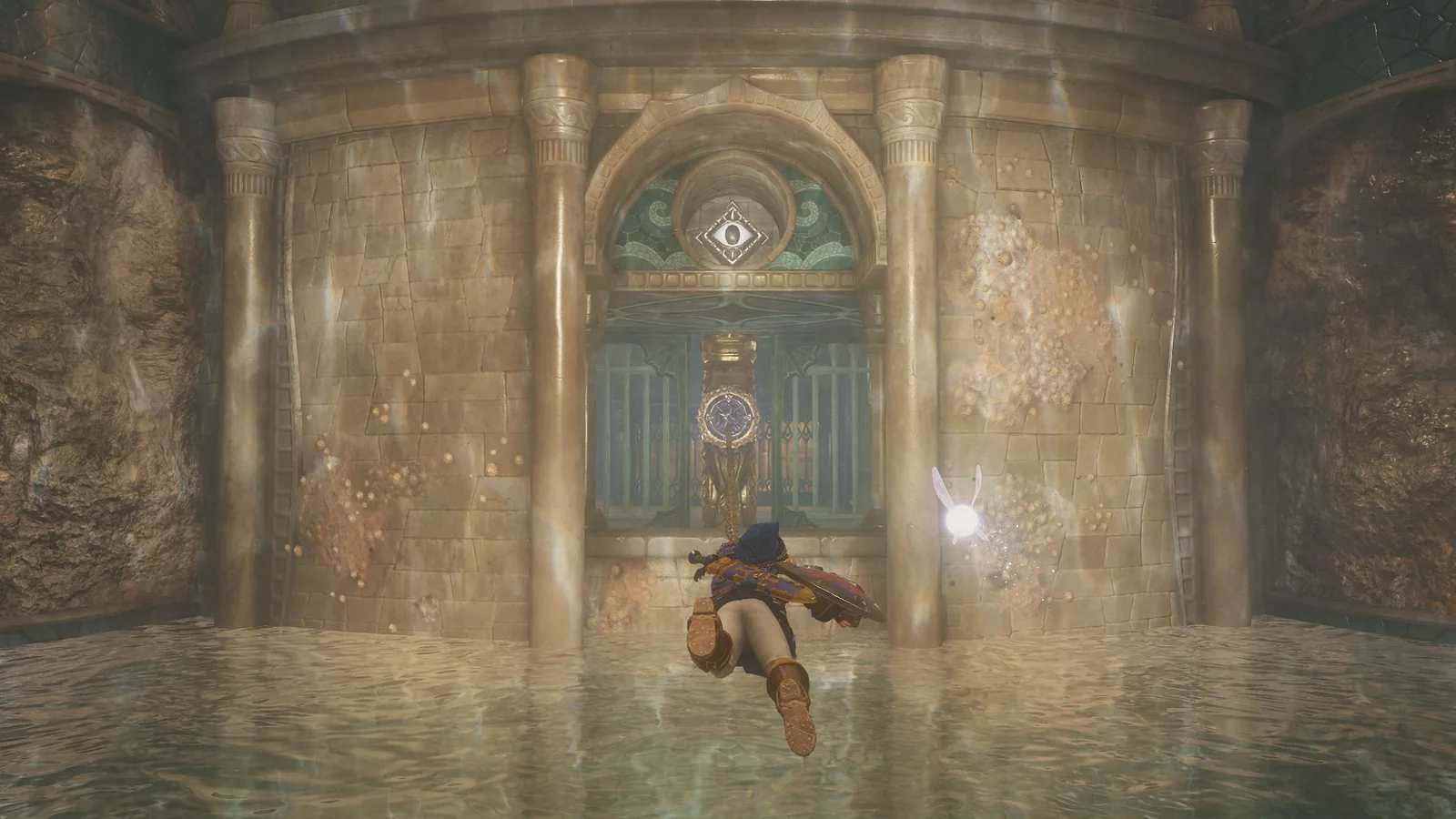
The original Ocarina of Time continues to hold Metacritic’s highest aggregate score of 99, a distinction it has maintained since its Nintendo 64 release. The new Switch 2 version also surpasses The Legend of Zelda: Ocarina of Time 3D, which received a score of 94 on Nintendo 3DS.
The international reception follows the remake’s 37/40 review score from Japanese publication Famitsu, which offered an earlier indication of its critical performance. The newly available reviews provide a more comprehensive picture of how critics have responded to the redesigned adventure.
GamesRadar+ awarded the remake five out of five stars, with reviewer Anna Koselke praising its ability to preserve the original adventure’s identity while introducing substantial improvements. The review highlighted the redesigned presentation, additional puzzle mechanics and changes that make the experience feel distinct from its 1998 predecessor.
TechRadar similarly praised the remake’s refreshed environments, orchestral soundtrack, redesigned puzzles and additional narrative content. Its review identified the improved quality-of-life features as particularly effective at addressing frustrations associated with the original release.
Not every change was viewed without reservation. TechRadar suggested that some adjustments reduce the game’s difficulty and that the remake could have taken greater creative risks. Nevertheless, its overall assessment was strongly positive, particularly regarding the balance between modernized mechanics and the structure of the original adventure.
Nintendo has substantially rebuilt Ocarina of Time for Switch 2, introducing overhauled environments, expanded character dialogue, fully voiced cutscenes and orchestral music. The remake also adds free jumping, revised movement controls and changes to the Water Temple, addressing several limitations of the original game’s mechanics.
Additional improvements include right-stick camera control, faster loading, smoother performance and a new Threads of Time feature that allows players to review their progress and identify their next objective. Nintendo has also shared redesigned character and environment concepts illustrating how the development team reinterpreted the original game’s visual identity.
The Legend of Zelda: Ocarina of Time launches exclusively for Nintendo Switch 2 on November 5, 2026. Its early critical reception establishes it as one of the year’s most acclaimed releases, while the original Nintendo 64 version retains its position as Metacritic’s highest-rated game of all time. The remake’s aggregate score may change as further reviews are added.
