


Nintendo is not currently considering another price increase for the Nintendo Switch 2, despite ongoing concerns about memory shortages and rising hardware manufacturing costs. Company president Shuntaro Furukawa confirmed the position on November 5, 2026, following Nintendo’s latest financial results, adding that the company can currently secure sufficient quantities of memory for its console business.
The statement comes just two months after Nintendo raised the Switch 2’s retail price in several major markets. Although the company has ruled out further adjustments under current conditions, Furukawa’s comments do not amount to a permanent price guarantee.
Nintendo previously increased the Switch 2’s recommended US retail price from $449.99 to $499.99 on September 1, 2026. The European price also rose from €469.99 to €499.99, while Japan’s domestic Japanese-language model increased from ¥49,980 to ¥59,980 on May 25.
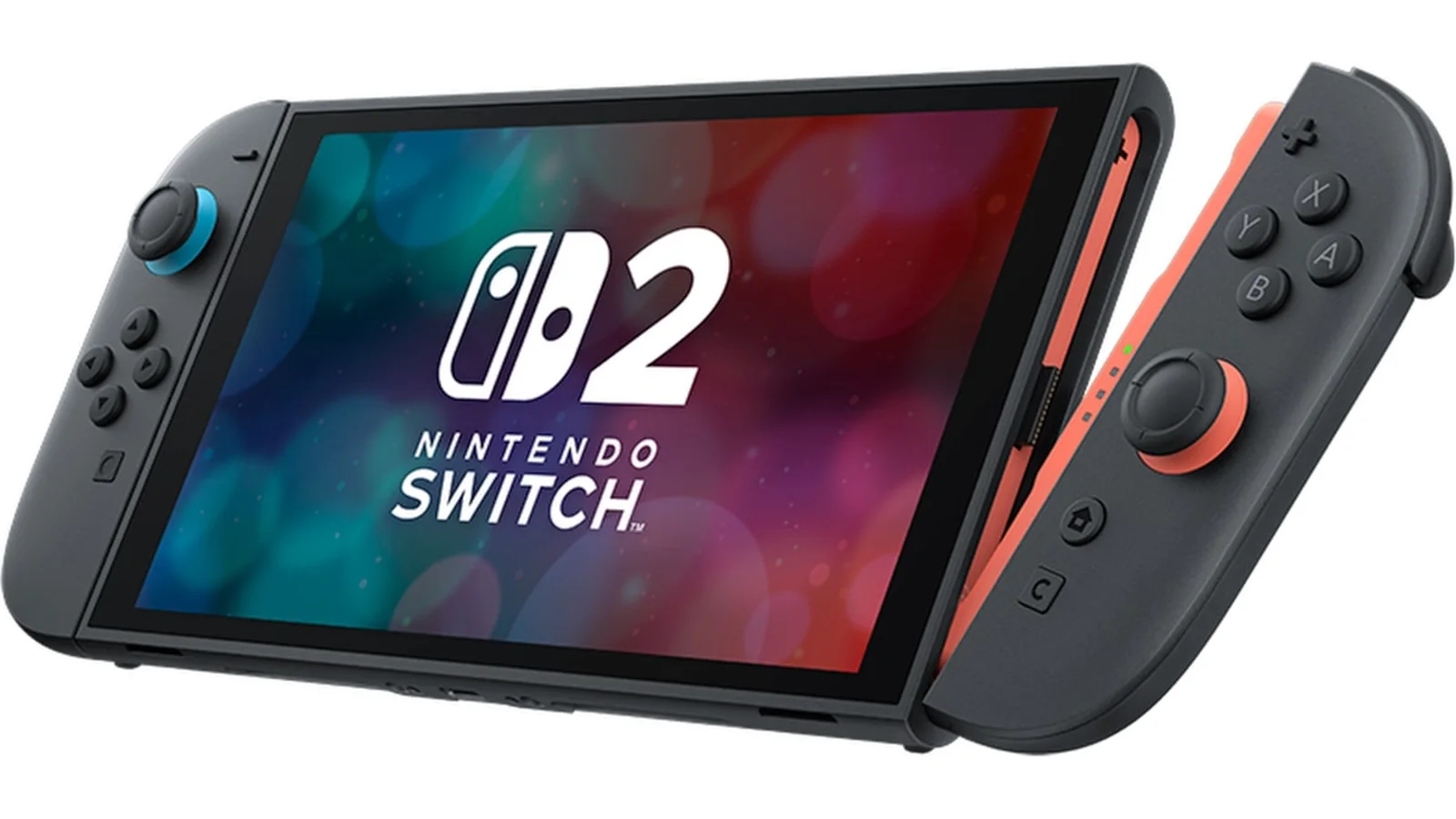
Those increases followed Nintendo’s assessment of changing market conditions, including higher component costs and other pressures affecting the profitability of its gaming hardware business.
Memory availability remains an important concern across the consumer electronics industry. Increasing demand for memory chips, particularly from AI infrastructure, has placed pressure on supply and costs for manufacturers producing consoles, computers and other electronic devices.
The same pressures are affecting PC hardware. Rising GDDR6 memory costs have also prompted reports that AMD Radeon graphics card prices could increase again in November, illustrating how memory market conditions can affect several gaming hardware categories simultaneously.
Furukawa indicated that Nintendo’s memory procurement situation has not changed significantly and that the company remains able to obtain the quantities it requires. This suggests Nintendo does not currently face a memory supply shortfall that would force an immediate reconsideration of Switch 2 pricing.
However, securing sufficient components does not necessarily mean manufacturing costs have stopped increasing. Nintendo has previously acknowledged that higher memory prices and other market conditions can affect console profitability.
The latest comments also arrive alongside weaker quarterly financial results. Nintendo reported operating profit of ¥73.9 billion, representing a 16% decline from the corresponding period a year earlier. Switch 2 hardware sales also fell by more than 37% year-on-year.
Despite the slowdown, Nintendo maintained its financial outlook and its forecast of 16.5 million Switch 2 hardware sales for the fiscal year ending March 2027.
The company has therefore not announced any additional pricing action in response to the latest financial figures or memory supply concerns.
For consumers considering purchasing a Switch 2, Nintendo’s November 5 statement establishes that another price adjustment is not part of its current plans. Whether that position changes later will depend on future business conditions, with no timetable or additional increase announced.
