


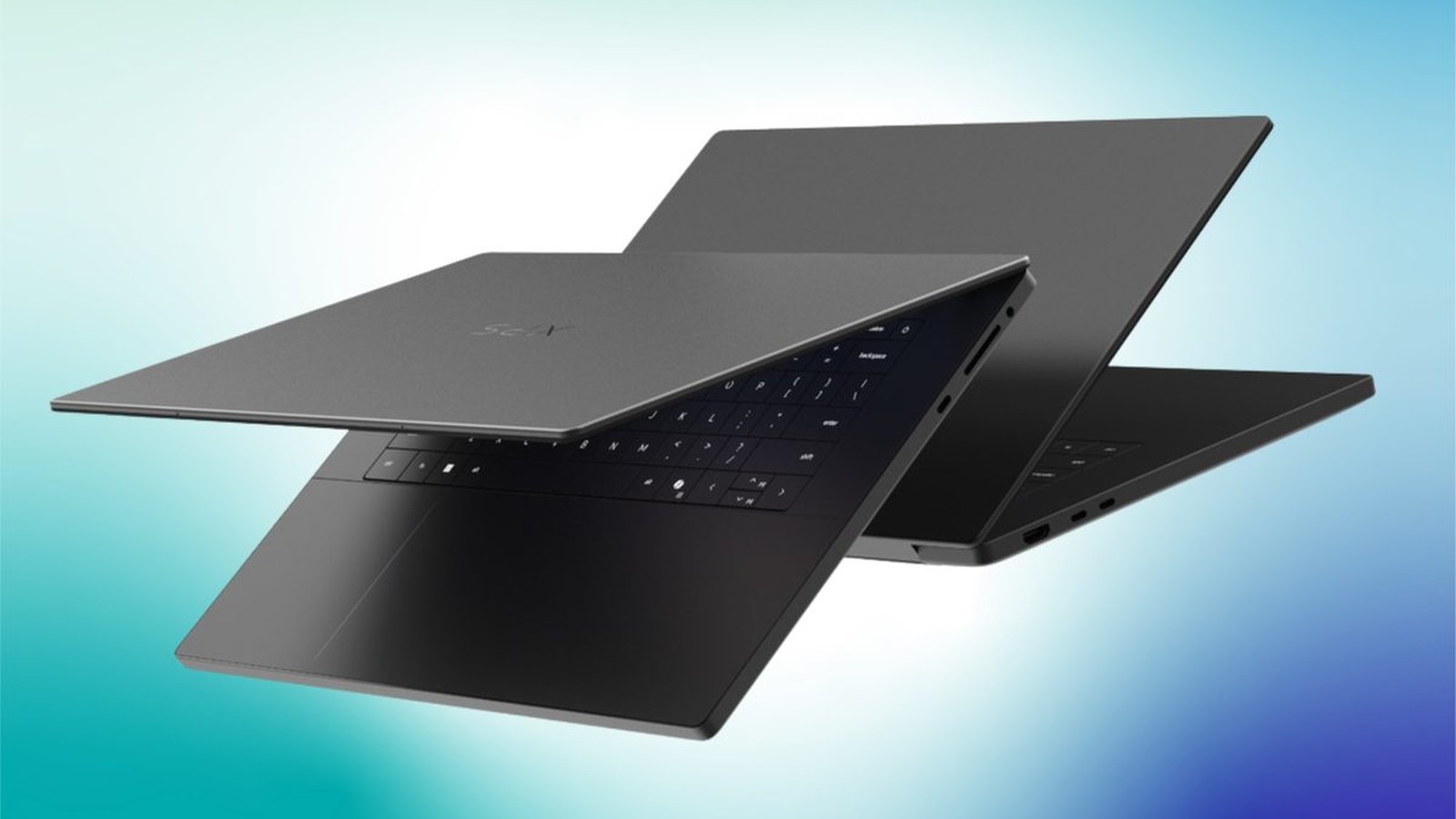
Dell has expanded NVIDIA’s RTX Spark platform across its Windows PC lineup, bringing the new superchip to the XPS 16 Creator Edition and a compact Dell Creator Edition Desktop. The systems are aimed primarily at creators, developers and local AI workloads, but RTX Spark also includes NVIDIA’s full RTX gaming stack, including ray tracing, DLSS and Reflex. Dell’s move makes it one of several major PC manufacturers launching systems around NVIDIA’s new Arm-based Windows platform.
The XPS 16 Creator Edition had previously been previewed by Dell as the first XPS laptop to use RTX Spark, and the company is now moving the system closer to broader availability. Dell says the machine can be configured with up to 128GB of unified memory, allowing CPU and GPU workloads to share the same large memory pool rather than relying on separate system RAM and dedicated VRAM. That architecture is especially useful for local AI models and large creative workloads, but it can also benefit graphics-heavy applications that would normally be constrained by conventional laptop GPU memory limits.
RTX Spark combines a Grace-based Arm CPU with a Blackwell RTX GPU in a single platform. NVIDIA lists configurations with up to a 20-core CPU, 6,144 CUDA cores, up to 128GB of LPDDR5X unified memory and up to one petaflop of FP4 AI performance. The platform also includes fourth-generation RT cores and fifth-generation Tensor cores alongside DLSS, Reflex, NVIDIA Broadcast and CUDA support.
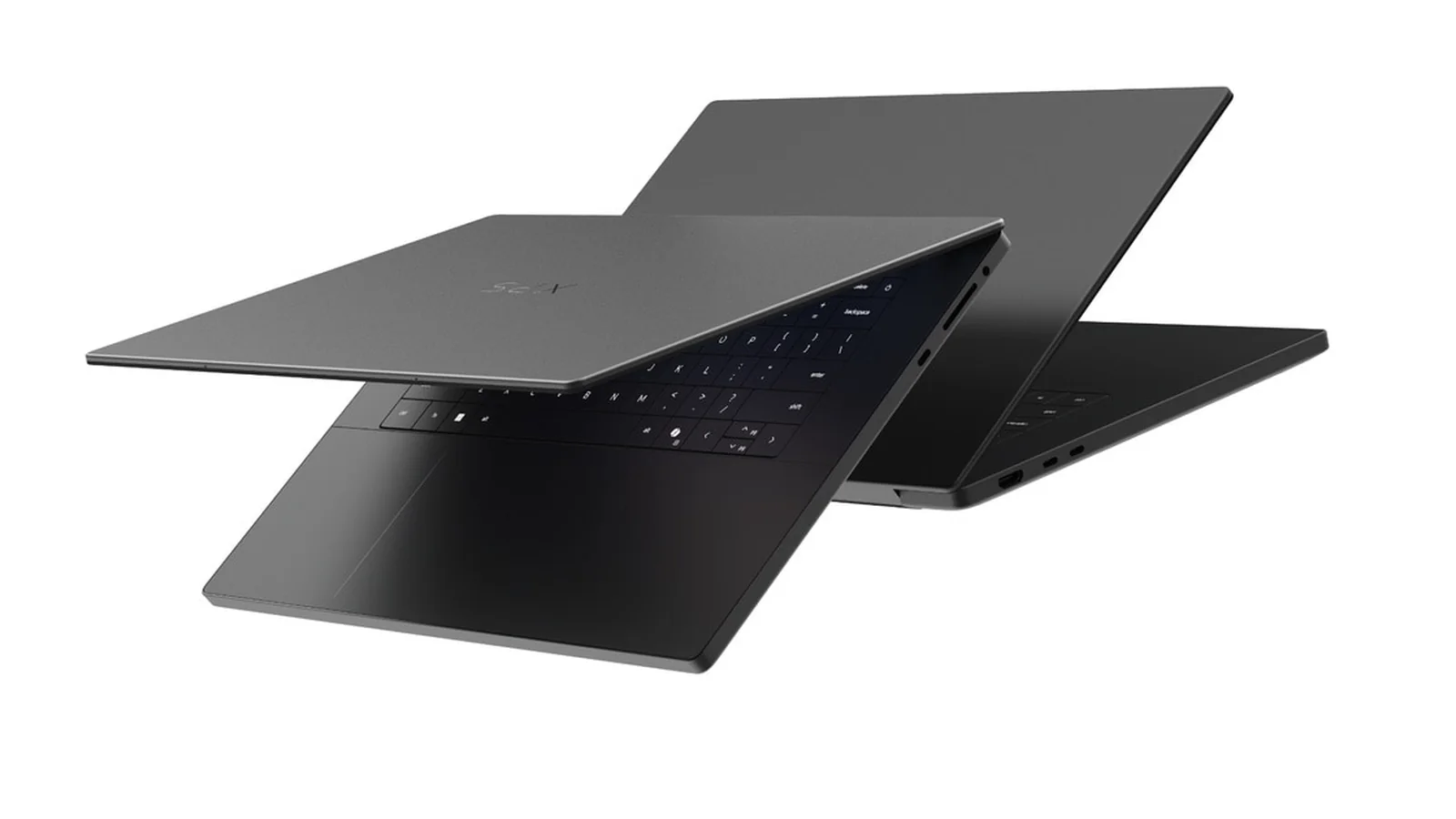
Dell is positioning the XPS 16 Creator Edition toward demanding video, 3D and AI workflows rather than as a conventional gaming laptop. The company previously highlighted smoother 4:2:2 4K timeline playback, faster exports, improved multitasking across complex 3D scenes and local AI-assisted work. The laptop also includes a Tandem OLED display with True Black HDR 600, plus HDMI and an SD card reader aimed at creators who need more practical connectivity than recent minimalist XPS designs offered.
The new Creator Edition Desktop extends the same RTX Spark concept into a compact desktop system. NVIDIA describes RTX Spark desktops as small, power-efficient PCs designed to run local AI agents continuously while also handling content creation and gaming through the full RTX software stack. That gives Dell a second form factor for users who want the platform’s unified memory and CUDA ecosystem without needing a portable machine.
Dell is joining an increasingly crowded first wave of RTX Spark systems. Microsoft has already detailed its Surface Laptop Ultra with RTX Spark, while MSI’s Prestige N16 Flip AI+ brings the same platform to a 2-in-1 convertible with configurations reaching 128GB of unified memory. NVIDIA also lists systems from ASUS, HP and Lenovo among its launch partners.
Gaming support remains one of the more interesting parts of RTX Spark because the platform is based on Arm rather than the x86 architecture that still dominates Windows gaming PCs. NVIDIA markets the hardware as fully RTX-capable, with support for ray tracing, DLSS and Reflex, but individual games still depend on Windows on Arm compatibility, translation support and anti-cheat implementations. Microsoft has been working more broadly on Windows gaming infrastructure as well, including Advanced Shader Delivery support for NVIDIA RTX and Intel Arc hardware.
That means Dell’s RTX Spark systems should not be viewed as direct replacements for traditional GeForce gaming laptops or desktops, at least initially. Their main advantage is the combination of high GPU compute, large unified memory, CUDA compatibility and relatively compact designs for AI and professional workloads. Gaming is an additional capability rather than the central reason these machines exist.
The XPS 16 Creator Edition and Creator Edition Desktop nevertheless broaden the reach of RTX Spark beyond a single experimental device category. With Dell, Microsoft, MSI and other major PC makers now adopting the platform, NVIDIA is building a parallel Windows ecosystem around Arm, unified memory and Blackwell graphics. How quickly that ecosystem gains traction will depend on software compatibility, pricing and whether developers embrace RTX Spark as more than a specialist AI platform.
