


Epic Games has confirmed that its new Linux-native Epic Games Launcher will officially support SteamOS, bringing the company’s PC gaming storefront closer to direct integration with Valve’s Steam Deck. The company has also identified several other Linux distributions it intends to support, although it has not announced when SteamOS compatibility will be officially available.
Epic Games Communications Director Jake Jones confirmed the plans in a statement provided directly to GamingOnLinux on November 6, 2026. Jones explained that the launcher remains in preview while Epic evaluates how best to distribute it across different Linux operating systems.
“The new Epic Games Launcher is still in Preview and we plan to support as many Linux distributions as possible, including Fedora, SteamOS, Cachy, Omarchy, and more,” Jones said. He added that Epic is testing different packaging formats and intends to restore AppImage distribution during November.
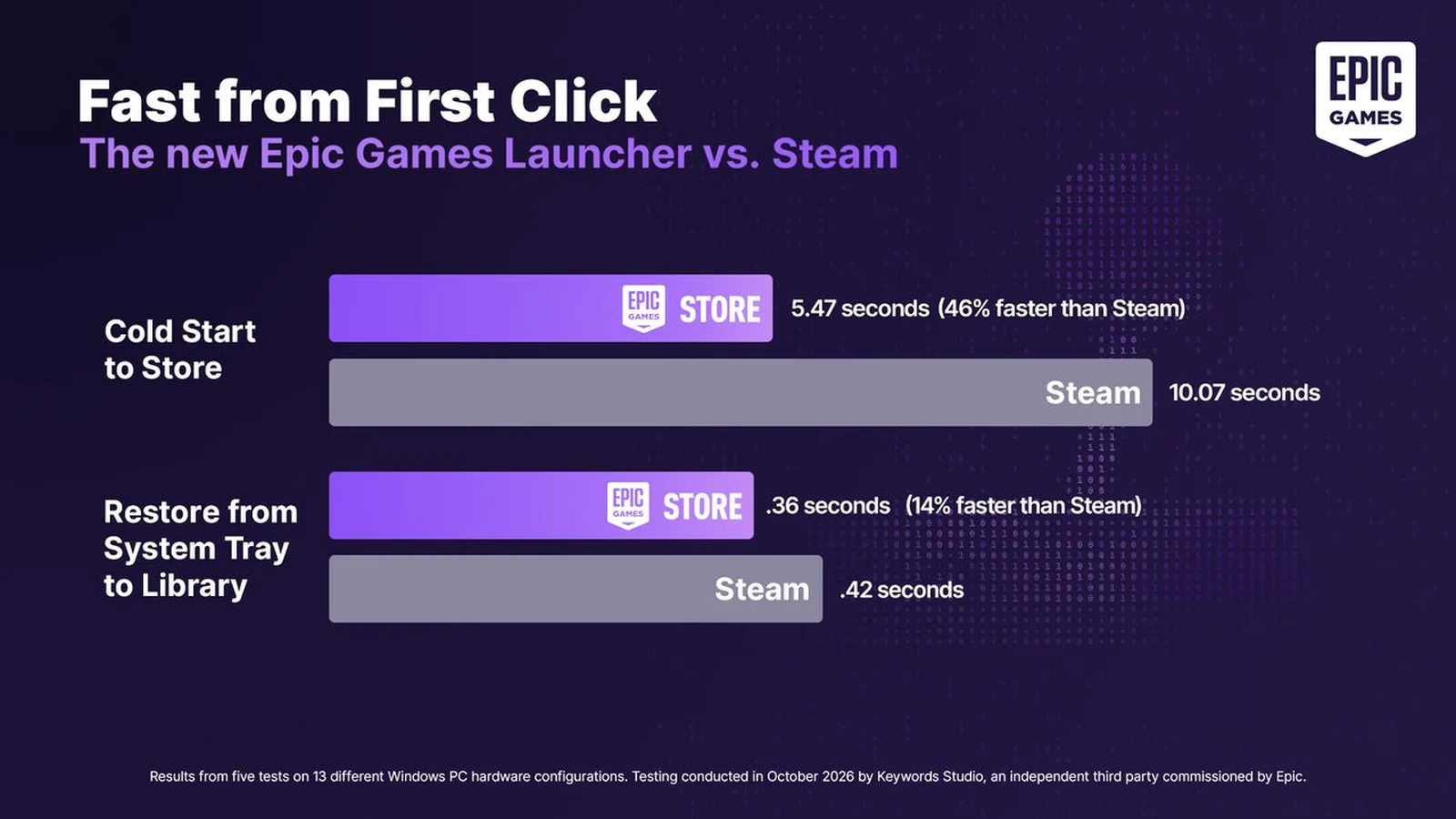
The confirmation is significant for Steam Deck owners because Epic had not previously identified SteamOS among the distributions it planned to officially support. The company’s broader Linux launcher preview debuted on October 14, but SteamOS-specific support remained uncertain until this latest statement.
Steam Deck users can already access many games purchased or claimed through the Epic Games Store using community-developed solutions such as Heroic Games Launcher and Lutris. These tools allow players to manage Epic libraries and run compatible Windows games through Linux compatibility software.
Official SteamOS support could eventually provide another way to install and manage Epic Games Store titles without relying on those third-party launchers. However, Epic has not detailed how its launcher will integrate with Steam Deck’s Gaming Mode or whether installation will require additional configuration.
The new Epic Games Launcher preview already supports Epic account sign-ins, game library management and installations. Its Linux version initially launched as an AppImage before Epic replaced that download with a Debian package intended for Debian- and Ubuntu-based distributions.
Jones’ statement indicates that Epic is still considering its distribution approach rather than committing to a single Linux packaging format. Restoring AppImage availability could make the launcher easier to distribute across different Linux systems, although the company has not confirmed its final installation method for SteamOS.
The development also comes as Valve continues improving its handheld operating system. The recent SteamOS 3.9.5 update introduced Linux kernel and gaming-related improvements, while third-party software continues expanding the platform’s capabilities.
Importantly, official launcher support does not mean every game available through the Epic Games Store will automatically become playable on Steam Deck. Many Windows games still depend on compatibility technologies such as Proton, and individual titles may encounter technical or anti-cheat restrictions.
Fortnite remains a particularly important exception. Epic announced in October that it was working to bring Fortnite to Linux through a rebuilt version of Easy Anti-Cheat called EAC Linux v2.
The updated anti-cheat system is designed to use Linux security features including signed kernels, TPM 2.0, Secure Boot and measured boot to provide stronger protection against cheating. Epic intends to test the technology with Fortnite before making it available more broadly to developers.
However, Epic’s October 14 technical announcement explicitly stated that Steam Deck does not currently support the features required by its EAC Linux v2 implementation. The company said it was discussing the issue with Valve and hoped to support Steam Deck hardware in the future.
That distinction means Fortnite’s potential Linux release and Epic Games Launcher support for SteamOS are separate developments. Neither a Steam Deck version of Fortnite nor a timeline for resolving the anti-cheat compatibility problem has been confirmed.
For now, Epic’s commitment establishes SteamOS as an intended officially supported platform for its new Linux launcher. The remaining questions concern when that support will arrive, how installation will work on Steam Deck and which Epic Games Store titles will be compatible.
