


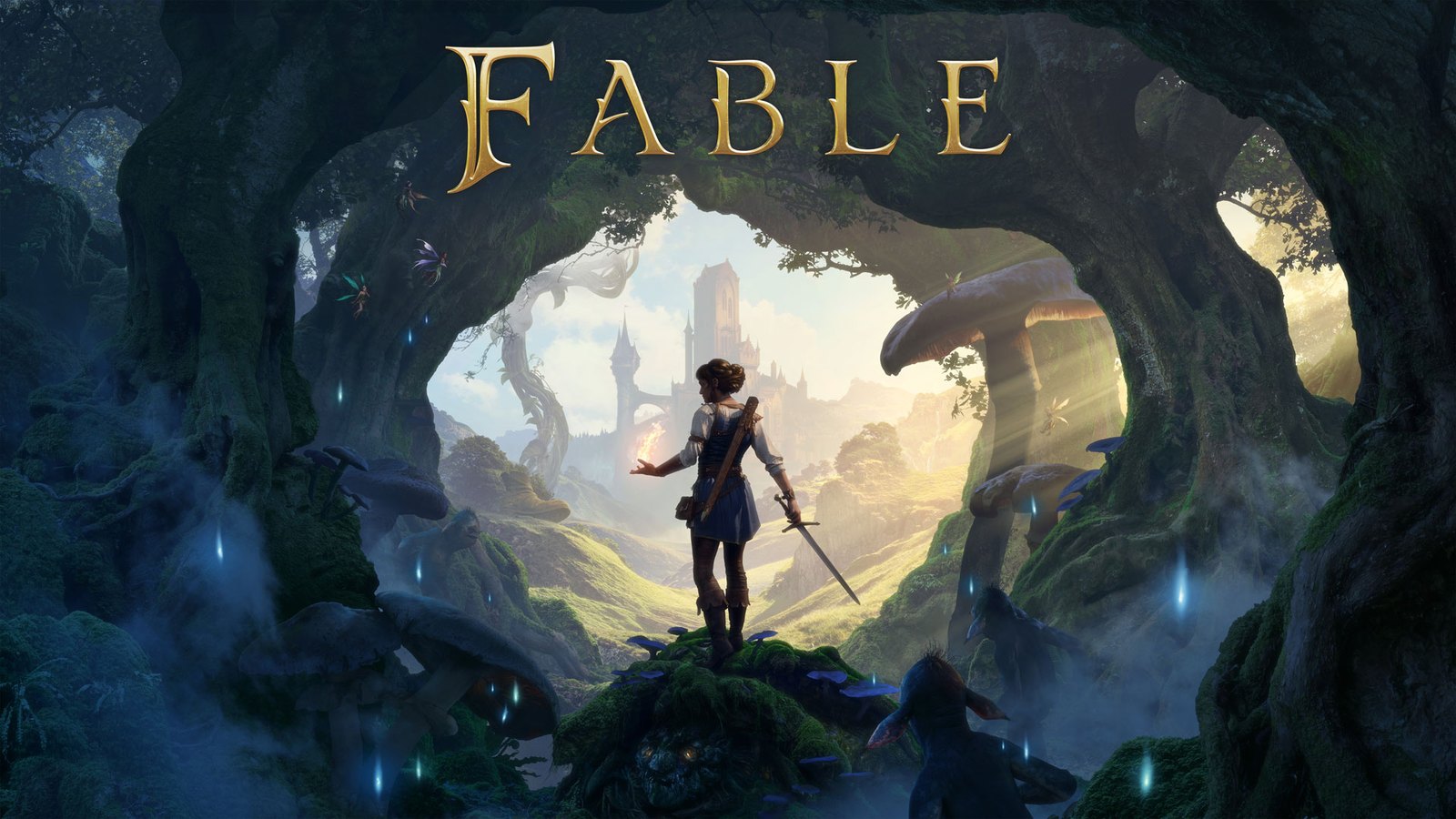
Fable director Ralph Fulton says the series’ importance to Xbox has helped protect Playground Games’ reboot throughout an unusually long development cycle. Speaking to The Guardian, Fulton said many people inside Xbox consider Fable a fundamental part of the platform’s identity, giving the project support through years of industry disruption, corporate restructuring and layoffs. The comments offer new context on why Microsoft has continued investing heavily in the RPG despite its lengthy production.
Playground Games began working on Fable after reaching an agreement with Microsoft in 2017, when the studio was still primarily known for Forza Horizon. Fulton said taking on the series immediately eclipsed other possibilities the studio had been considering, but moving into a narrative-driven action RPG required Playground to build an entirely new development team. Hundreds of developers were recruited from around the world, including people who relocated specifically because they wanted to work on Fable.
That expansion contributed to a development cycle stretching close to a decade. Fulton told The Guardian that Fable’s perceived importance within Xbox was a major factor in allowing the team to continue pursuing the project over that period. He described the franchise as being viewed internally as vital to Xbox’s DNA, while arguing that Fable’s unusual combination of systems and tone also gives it a distinct place in games more broadly.
The comment stands out against the backdrop of repeated restructuring across Microsoft’s gaming business. Xbox has cut thousands of jobs across its studios and publishing operations in recent years, while projects have also been cancelled or significantly reshaped. Former Bethesda employees have said that working on major franchises such as Skyrim and Fallout did not protect staff from Xbox layoffs, illustrating that association with an established IP has not always insulated teams from wider cost-cutting.
Fable’s situation appears different because Microsoft has continued treating the reboot as a long-term strategic project rather than pushing Playground toward a shorter development timetable. The game is now scheduled to launch on February 23, 2027 for Xbox Series X|S, PC and PlayStation 5, with Xbox Cloud Gaming and Game Pass support also planned. Premium Edition owners will receive early access beginning February 18.
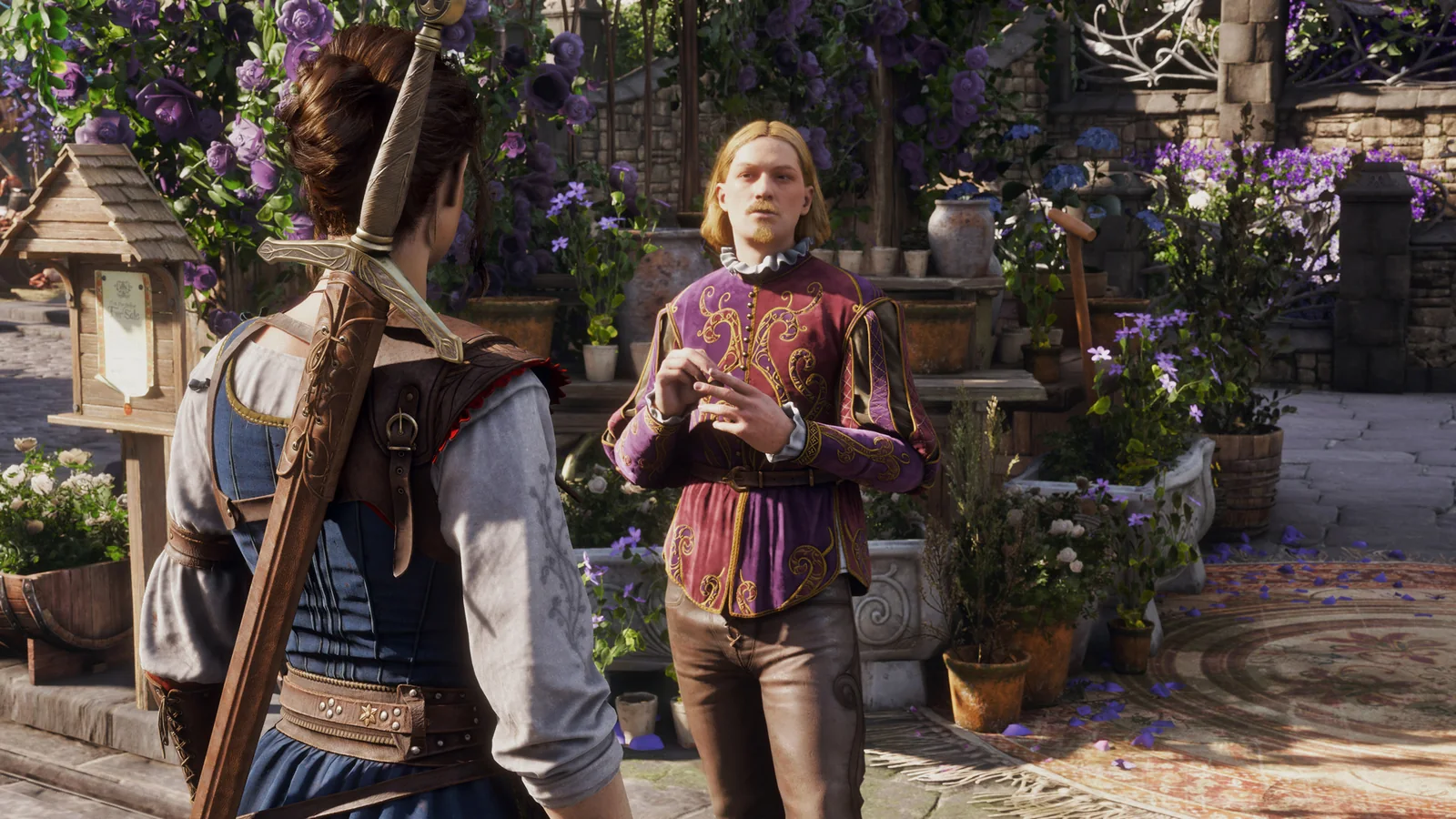
The Guardian interview also provides more detail on Playground’s broader approach to reviving the franchise. Fulton said the team wanted to preserve Fable’s British humor, player choice and unusual mix of fantasy and everyday life while avoiding more conventional fantasy clichés. The reboot includes a large reactive population, property ownership, relationships and reputation systems alongside combat built around melee weapons, ranged attacks and magic.
Those systems are intended to encourage players to spend substantial time away from the main quest. Playground has said Fable’s main story will take roughly 15 to 20 hours, with another 15 to 20 hours of side activities and open-world content available for players who explore more deeply. The game’s broader life-simulation systems are designed to extend that further by letting players interact with Albion’s population and shape their reputation through smaller choices.
Fulton also emphasized the importance of Fable’s ending during the interview. While the main story is deliberately structured to give players room to wander for much of the game, the final section becomes more focused and culminates in a major decision with personal consequences. Playground says it has invested heavily in making the conclusion meaningful rather than treating the ending as less important simply because fewer players statistically reach the final hours of large games.
The project’s long gestation also reflects challenges that have affected much of modern AAA development. Playground has worked through the pandemic, rapid growth in team size, shifting expectations around Xbox’s platform strategy and an industry-wide period of layoffs and cancellations. Long development cycles can also make projects vulnerable to changing technology and audience expectations, a problem other major studios have openly discussed as games become increasingly expensive and complex to produce.
Fable’s February 2027 release will ultimately determine whether that extended investment pays off. For now, Fulton’s comments make clear that Xbox has continued giving Playground time partly because the company sees Fable as more than another individual release. Internally, the franchise appears to be treated as a significant part of the identity Microsoft wants Xbox to retain as its publishing and platform strategy continues to evolve.
