


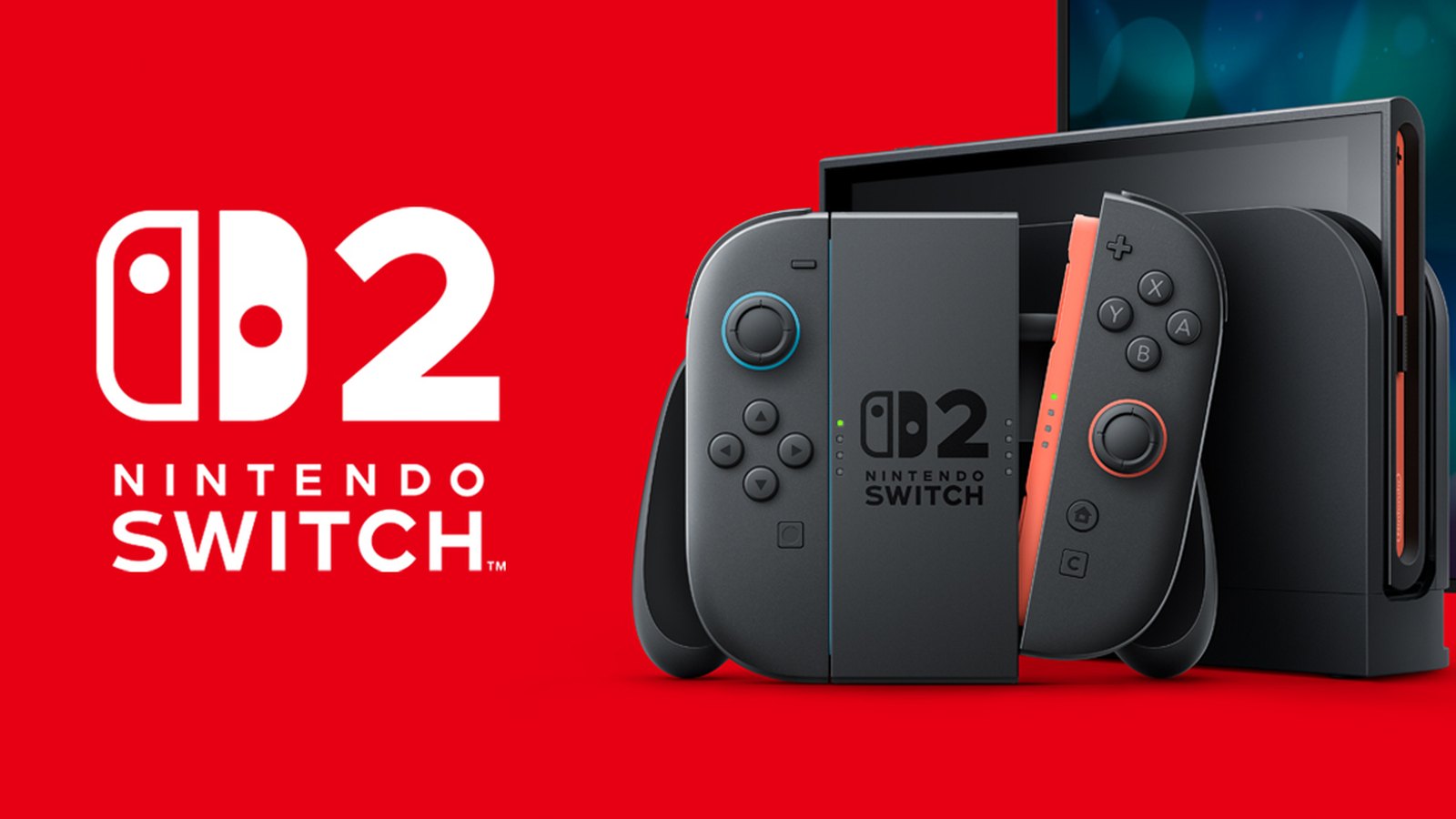
Linux kernel 7.4 is introducing native support for Nintendo Switch 2 controllers alongside a new driver for Pulsar gaming mice and several gaming handheld improvements. The changes are included in the Human Interface Device (HID) subsystem updates submitted during the kernel’s October 2026 merge window, expanding hardware compatibility for Linux gaming systems.
The updates were submitted by Linux HID maintainer Jiri Kosina on October 21 and have since been merged into the Linux 7.4 development branch. Among the additions is a preliminary Nintendo Switch 2 controller driver developed by Vicki Pfau on behalf of Valve Software, bringing support for the Joy-Con 2, Nintendo Switch 2 Pro Controller, and Nintendo GameCube controller offered through Nintendo Switch Online.
The new Nintendo driver handles general controller input and introduces rumble functionality. It also adds unified input report handling to accommodate the Switch 2 controllers’ unusual communication design, which separates standard input and rumble from other configuration operations.
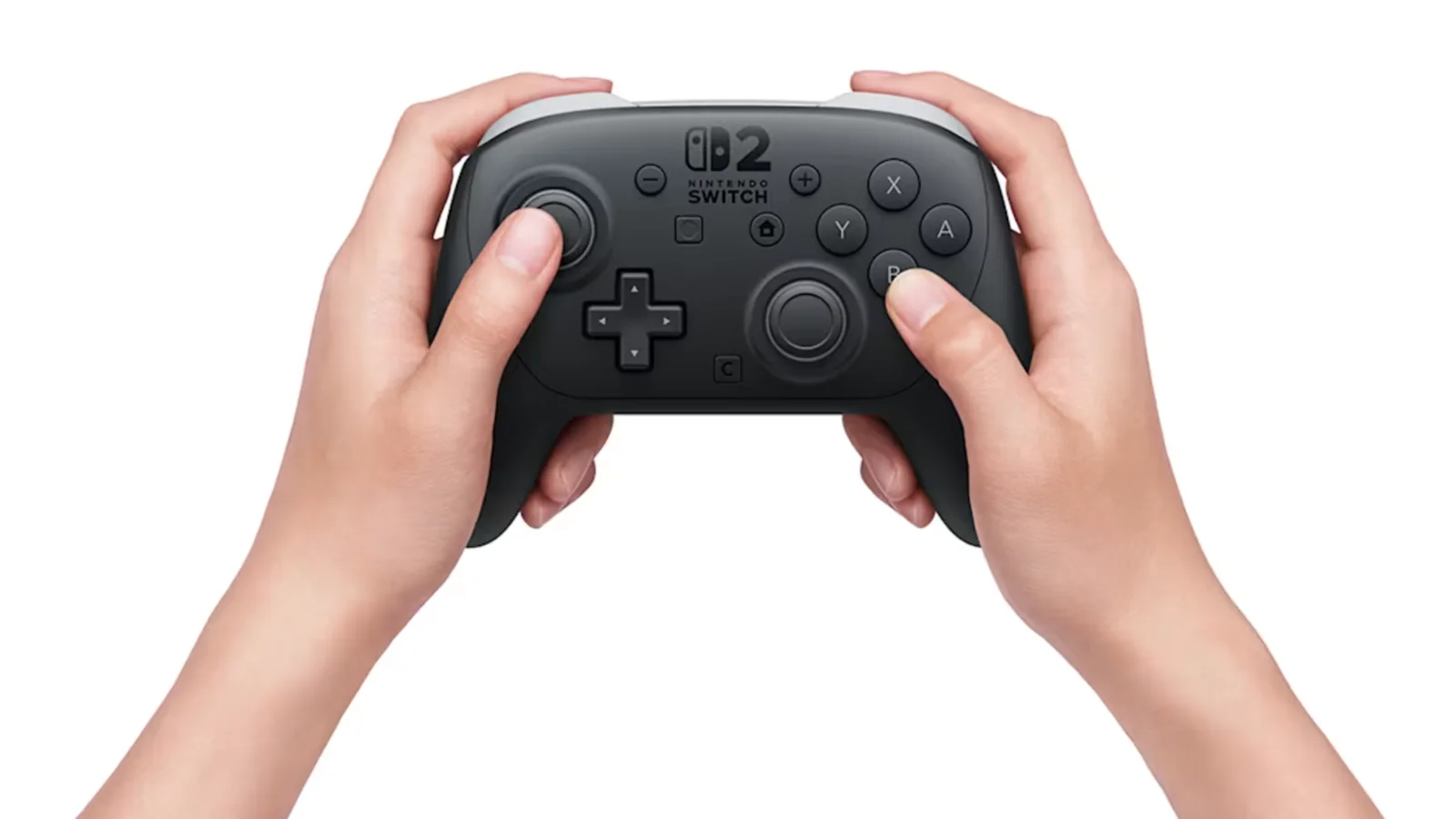
This implementation required changes to the existing Nintendo HID driver and the introduction of a separate USB configuration driver. The work went through multiple revisions before being accepted into the upstream Linux kernel.
However, the initial implementation has important limitations. Although the controllers use both USB and Bluetooth interfaces, the new driver does not yet provide complete Bluetooth connectivity. Pfau explained in the development discussions that Nintendo’s non-standard pairing system requires additional communication between the kernel and userspace, including further work involving the BlueZ Bluetooth stack.
Consequently, the initial support focuses on wired connectivity rather than guaranteeing wireless operation. Motion controls, battery reporting, and other advanced features are also not fully covered by the preliminary implementation.
Rumble support is included, but it remains basic. The driver can provide force-feedback effects without reproducing the full capabilities of Nintendo’s specialized HD Rumble hardware through the standard Linux input interface.
For Linux gamers, the significance is that Switch 2 controller support is moving into the operating system itself. Controller functionality previously available through Steam Input can increasingly be handled at the kernel level, potentially allowing compatible games and applications outside Steam to recognize supported devices without requiring the Steam client to remain open.
This is particularly relevant to Linux gaming desktops and SteamOS-based devices, although actual compatibility will still depend on connection methods, software support, and the kernel version installed.
The same Linux 7.4 update introduces a dedicated HID driver for Pulsar gaming mice, developed by Nikolas Koesling. The driver supports hardware monitoring features including battery percentage, voltage, and charging status.
Testing identified support for several Pulsar models, including the X2 V2, X2H, X2A, and Xlite V3. Unlike the preliminary Nintendo controller implementation, the Pulsar driver supports both wired connections and wireless operation through compatible 1 kHz and 4 kHz USB receivers.
Additional mice using a compatible communication protocol are supported, including the Kysona M600 ATK, VXE R1 SE+, and VXE Dragonfly R1 Pro. A separate update also adds support for the Kysona M600V2.
Linux 7.4 contains several other hardware improvements relevant to PC enthusiasts. ASUS ROG Ally devices receive a power-management fix, while Lenovo Legion Go S controllers receive driver maintenance and improvements involving device initialization, resume handling, and lighting-related code.
The update also expands AMD Sensor Fusion Hub support for newer processors, alongside fixes for Apple Touch Bar power management and trackpad handling on Macs equipped with Apple’s T2 security chip.
The Nintendo and Pulsar additions are part of the upstream Linux 7.4 development cycle rather than a standalone SteamOS update. Users will need a kernel containing these changes before benefiting from the new drivers, and distribution-specific availability will depend on subsequent software updates.
Linux 7.4 is expected to reach a stable release in the coming months. The new controller support represents an initial implementation rather than a guarantee of complete Nintendo Switch 2 peripheral compatibility, with Bluetooth integration and additional controller features still requiring further development.
