


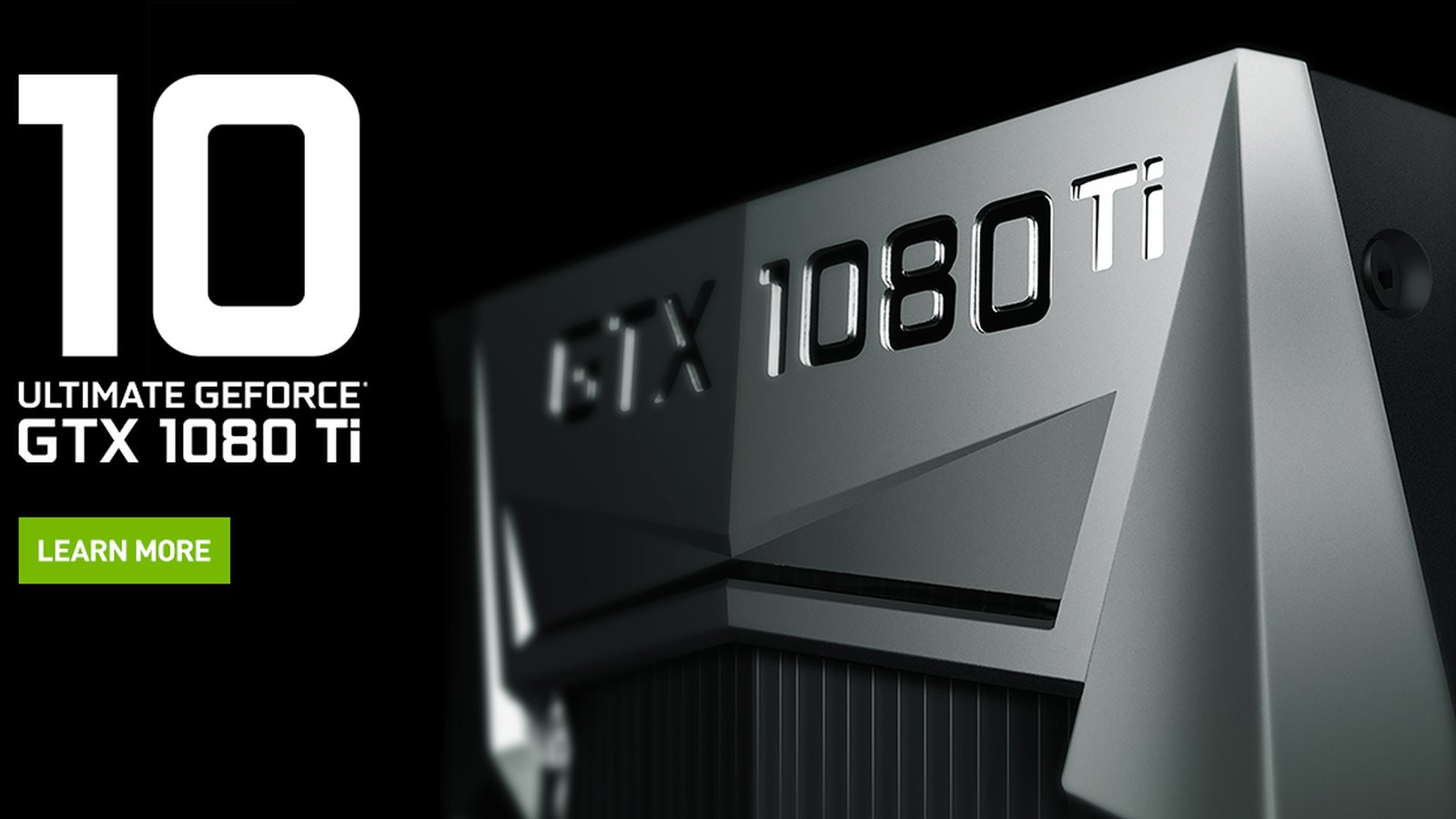
An unofficial Nvidia graphics driver is bringing Pascal-era GeForce cards to 32-bit Windows XP, giving retro PC builders access to GPUs that Nvidia never officially supported on the operating system. Developer SupraGSX has released Forceware 382.69, a modified driver based on Nvidia’s older 368.81 package with added support for much of the GeForce GTX 10-series lineup. The project also includes updated DisplayPort and HDMI handling aimed at making newer monitors more practical on Windows XP systems.
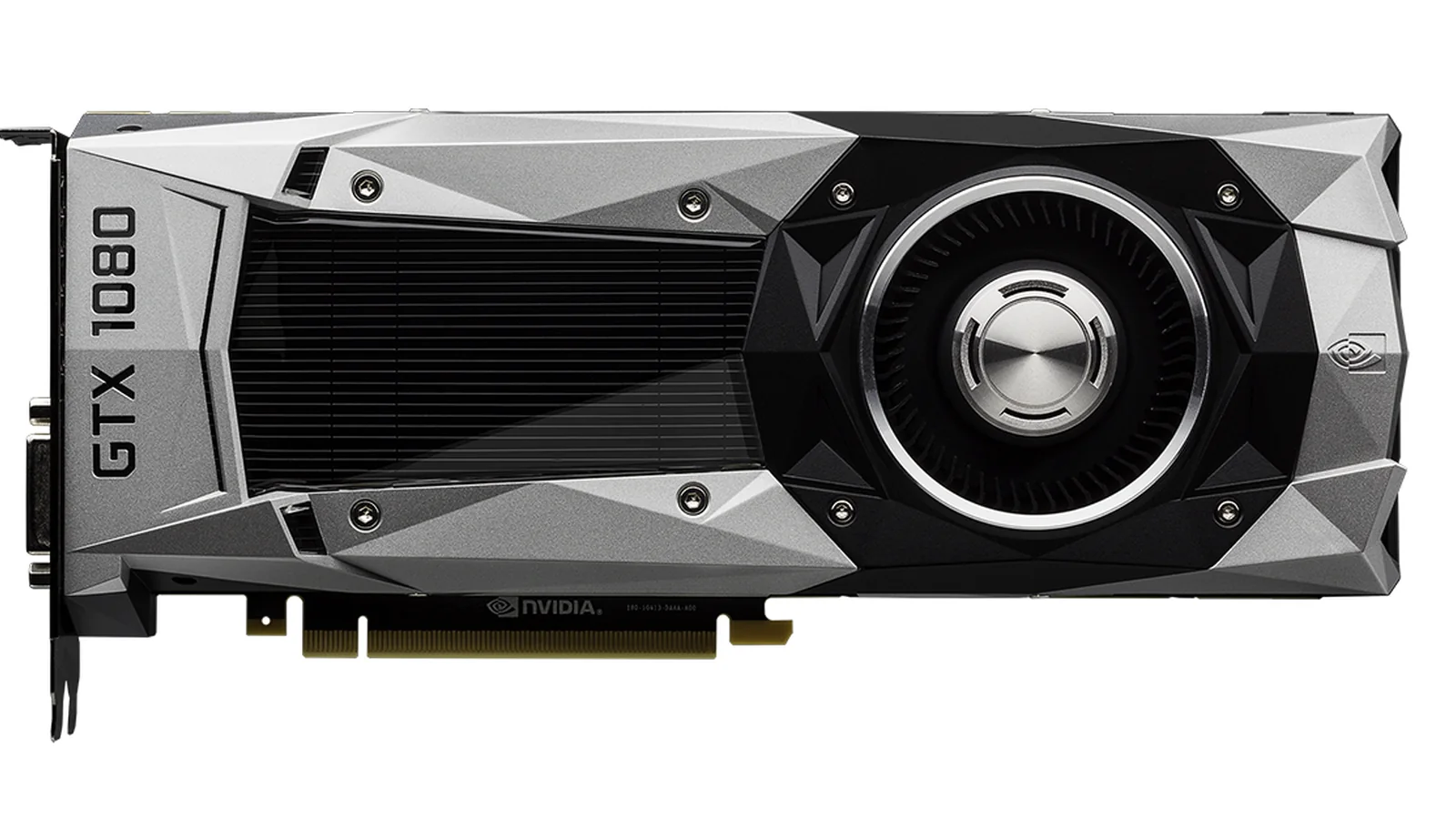
The current stable build, dated October 4, lists the GeForce GTX 1060 in 3GB, 5GB and 6GB configurations, GTX 1070, GTX 1070 Ti, GTX 1080 and GTX 1080 Ti. Titan X based on Pascal and Titan Xp are also included, alongside several Quadro P-series cards. GTX 1050 and GTX 1050 Ti support has also been added, although SupraGSX describes their GP107 implementation as experimental and says startup and rendering have not yet been verified on physical hardware.
Not every Pascal card is included. Mobile GPUs are excluded, as are GP100 and GP108 products, meaning the GeForce GT 1030 is not part of the supported device list. The repository also adds several Maxwell cards and OEM variants that were not present in the original package, but the central attraction is the ability to pair Windows XP with considerably newer Pascal desktop hardware.
Forceware 382.69 is built from Nvidia’s official 368.81 Windows XP driver rather than being an entirely new graphics stack. SupraGSX has patched the older package with additional hardware support and functionality taken from later Nvidia components where necessary. The project includes its rebuilding tools and patch information publicly, allowing technically experienced users to inspect how the modified package is assembled rather than relying solely on a prebuilt installer.
Display compatibility is another substantial part of the project. The driver adds DisplayPort HBR2 and HBR3 link training, improved extended-capability detection, HDMI 2.0 identification and SCDC handling, as well as revised HDMI and DVI limits. Nvidia Control Panel functionality has also been modified to restore custom-resolution controls, improve DisplayPort scaling and fixed-aspect-ratio behavior, and unlock system topology and EDID loading.
Those additions are particularly useful for retro systems connected to modern displays, where high resolutions and refresh rates can expose limitations in drivers written for hardware from the Windows XP era. Community testing has already shown a GTX 1080 Ti running with 3D acceleration and Nvidia Control Panel functionality on a modern high-end system, while one test used a 3840×1080 display at 144 Hz. SupraGSX also says Direct3D 9 and five OpenGL rendering checks passed on a GTX 1080 Ti in the October 4 build.
That does not mean every listed GPU has been validated. The developer explicitly notes that the additional INF entries should not be interpreted as proof that each card works correctly, and GP107 remains experimental. The package is also completely unofficial, so it does not receive the testing, signing assurances or support associated with Nvidia’s own drivers. Similar considerations apply when enthusiasts extend unsupported hardware or software beyond its intended lifespan, whether through custom drivers or projects such as running original Xbox games natively on jailbroken PS5 hardware.
The release arrives long after official Windows XP graphics support ended, making its audience primarily retro-gaming enthusiasts, hardware experimenters and users maintaining old software environments. Nvidia still occasionally addresses vulnerabilities affecting legacy GPU software on supported platforms, including security updates for older GeForce hardware, but Forceware 382.69 exists entirely outside Nvidia’s official support channel.
For enthusiasts willing to accept those limitations, the project significantly broadens the hardware available for high-end Windows XP builds. A GTX 1080 Ti or Titan Xp is dramatically newer than the GPUs normally associated with the operating system, while the expanded display support makes those cards easier to use with current monitors. Forceware 382.69 remains an experimental community project rather than a production-ready Nvidia release, but it gives retro-PC builders a new route to combine Windows XP software with Pascal-era graphics hardware.
